Revamped DS clone but I want a cheaper 3DS handheld
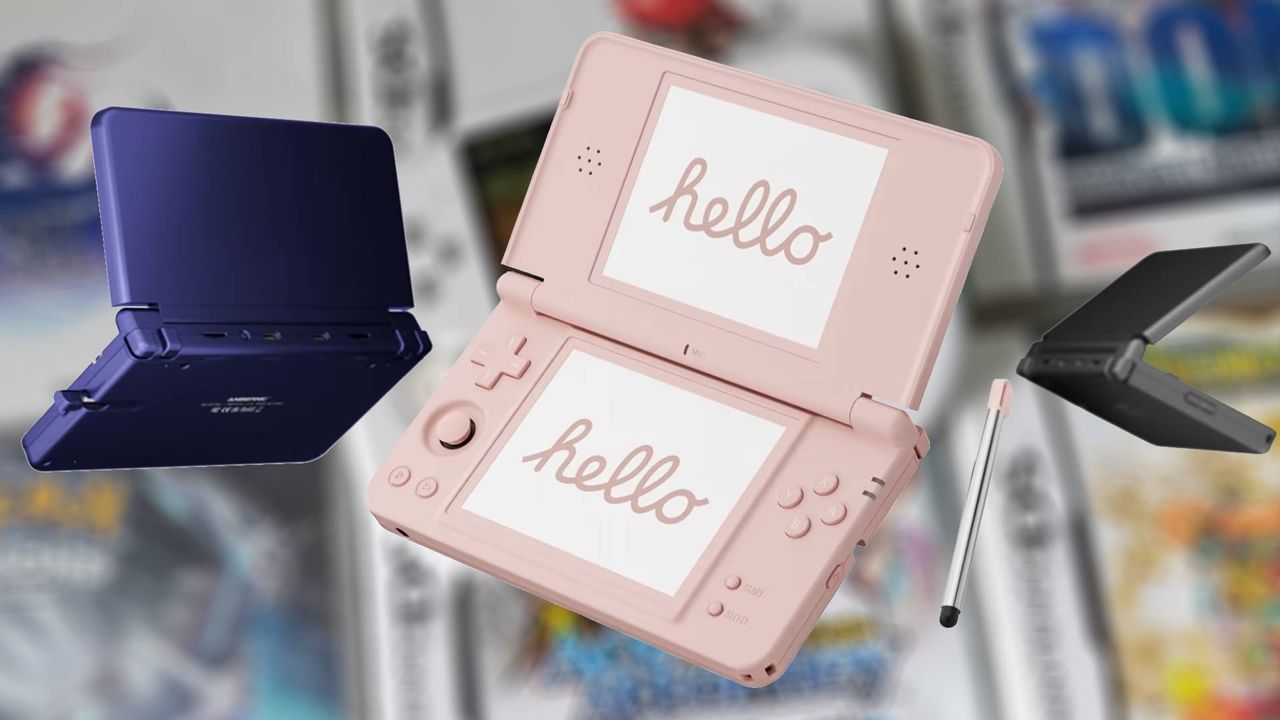
The world of retro handhelds is buzzing with innovation, and Anbernic is making some serious waves by giving the classic Nintendo DS a major glow-up. Their new device, the RG DS Plus, isn’t just a repackaging; it’s a deliberate attempt to redefine the dual-screen experience for retro gaming, aiming to be a genuine next-generation handheld without chasing the cumbersome shadow of the 3DS.
This revamped handheld brings some truly impressive technical enhancements. By focusing on pixel perfection, the RG DS Plus boasts 4x pixel perfect scaling and a 16-in-1 pixel density, promising a crystal-clear image for those beloved 2000s titles. The goal is to deliver a crisp, immersive display, potentially pushing resolution up to 1024 x 768 compared to the original DS’s 640 x 480.
Beyond the visual fidelity, Anbernic has thoughtfully integrated features that enhance the classic experience. The new design incorporates a completely redesigned interface for the dual screens and features a stylus authentically tucked into the side, offering a tactile way to interact with the games. This attention to detail shows a commitment to making the retro experience feel both nostalgic and cutting-edge.
While the design may bear some resemblance to larger portable systems, the RG DS Plus wisely sidesteps the intense competition for the title of the retro handheld throne. Unlike some contemporaries that push massive specifications, Anbernic is dialing in exactly what retro fans want, proving that sometimes restraint is the ultimate feature.
The hardware strategy is equally clever. In an effort to keep things lean and powerful, the device swaps out Android for Linux, which naturally reduces RAM demands. Furthermore, Anbernic has pared back memory from 3GB to 1GB, a move that, combined with the Linux operating system, keeps memory consumption in check. While it omits built-in eMMC storage, the flexibility to use a microSD card ensures that storage is not an issue for the vast majority of users.
This approach suggests a clear philosophy: refine each portable for its specific platform rather than simply cramming maximum specs into a single box. Instead of trying to become a 3DS clone by swapping in a beefier chipset, Anbernic is focusing on delivering a superior experience for the classic DS library, including a dedicated NNDDSS emulator and a tailored front-end.
With the RG DS Plus priced attractively under $100, it solidifies its position as a savvy choice. It offers a substantial upgrade over the original model for the price, appealing directly to those who value high-resolution retro gameplay without the heavy baggage. While we await the official specifications, Anbernic is proving that smart design and focused execution can create some truly compelling retro hardware.
Buy on Amazon
Credit