$1000+ Steam Machine prices and the worsening memory crisis
The Memory Crisis: How AI and Data Centers Are Setting PC Gaming on Fire
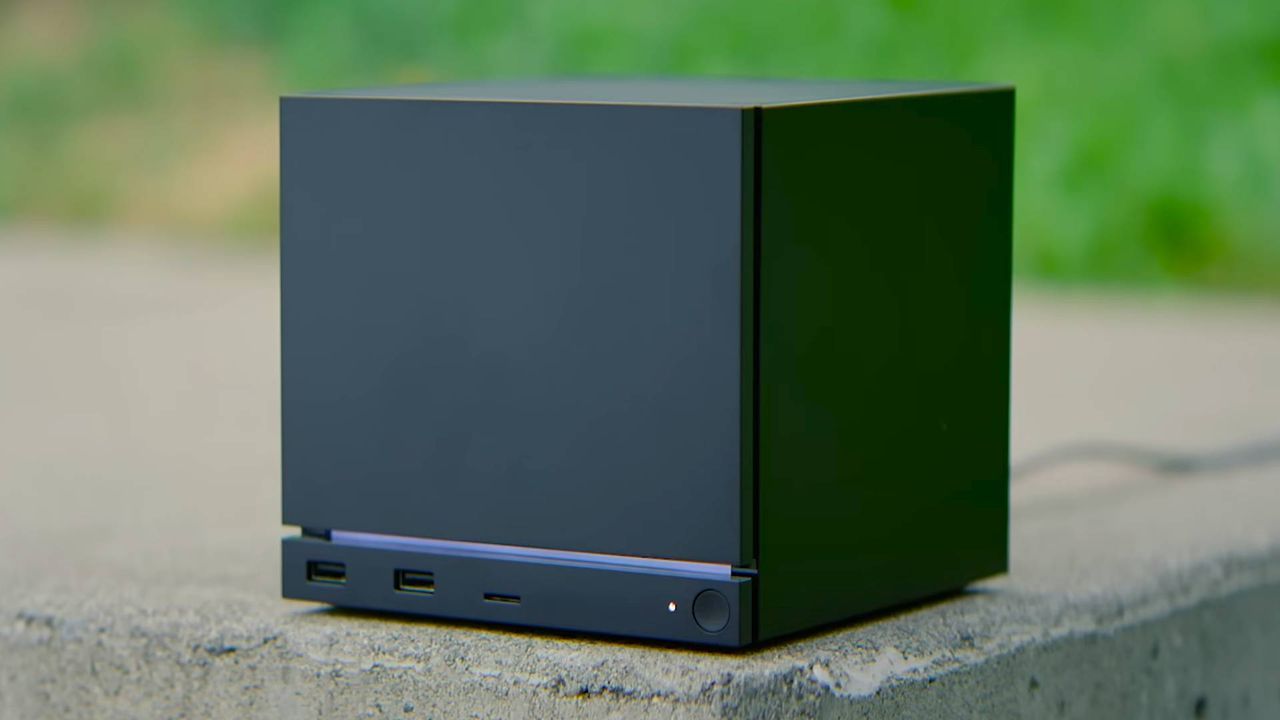
The dream of accessible PC gaming has become an increasingly expensive reality. The cost of entry for modern gaming rigs, particularly the highly anticipated Steam Machine, is currently staggering, pushing prices far beyond what everyday players can comfortably manage.
Even the most modest entry point—a 512GB model without a controller—starts at a hefty $1,049. This eye-watering price tag is not a temporary blip; industry insiders are bracing for an extended period of painful cost escalation.
This hardware inflation isn’t just a matter of supply and demand; it’s a reflection of a massive global bottleneck caused by the insatiable hunger of Artificial Intelligence data centers. These colossal facilities are gobbling up memory chips and storage, creating a scarcity that is now reshaping the landscape for PC gamers and hardware manufacturers alike.
The pressure is clearly visible across the entire gaming ecosystem. While consoles face their own price hikes, the foundational components powering high-end PCs are experiencing unprecedented volatility. Industry forecasts paint a grim picture: one memory crisis is quickly evolving into a full-blown shortage affecting future production capacity.
Executives and engineers are sounding the alarm about the trajectory of these costs. For instance, Xbox CEO Asha Sharma recently projected that memory costs could double again before the fall of 2027, signaling long-term instability in hardware economics. Similarly, predictions from other major players indicate we are firmly entering a new, costly normal for RAM expenses.
Even the creators of the platform are grappling with the situation. Valve engineers, who have spearheaded the development of the Steam Machine, shared a candid and sobering outlook on the current market conditions. They noted that retail prices are lagging significantly behind what bulk supply is actually available, pointing to a lead time of at least three to six months.
When resources become this scarce, production itself becomes the bottleneck. As one engineer put it, companies are limited not just by demand, but by the physical memory capacity available, making mass production a delicate balancing act.
Despite these macroeconomic headwinds, Valve seems to maintain a focus on the community and ecosystem. Rather than letting pricing dictate access, the company appears determined to keep the door open for open-source PC gaming and innovation, shifting the spotlight away from immediate sales volume toward long-term development.
As Valve engineers continue their work, they are also fine-tuning the user experience, making tangible improvements like updating error codes—starting with that notorious red overheating light—to ensure that the journey into open-source gaming remains as smooth and engaging as possible, regardless of the market chaos unfolding around them.
Buy on Amazon
Credit