MindsEye laid off over ‘Rocket Boy’ plans
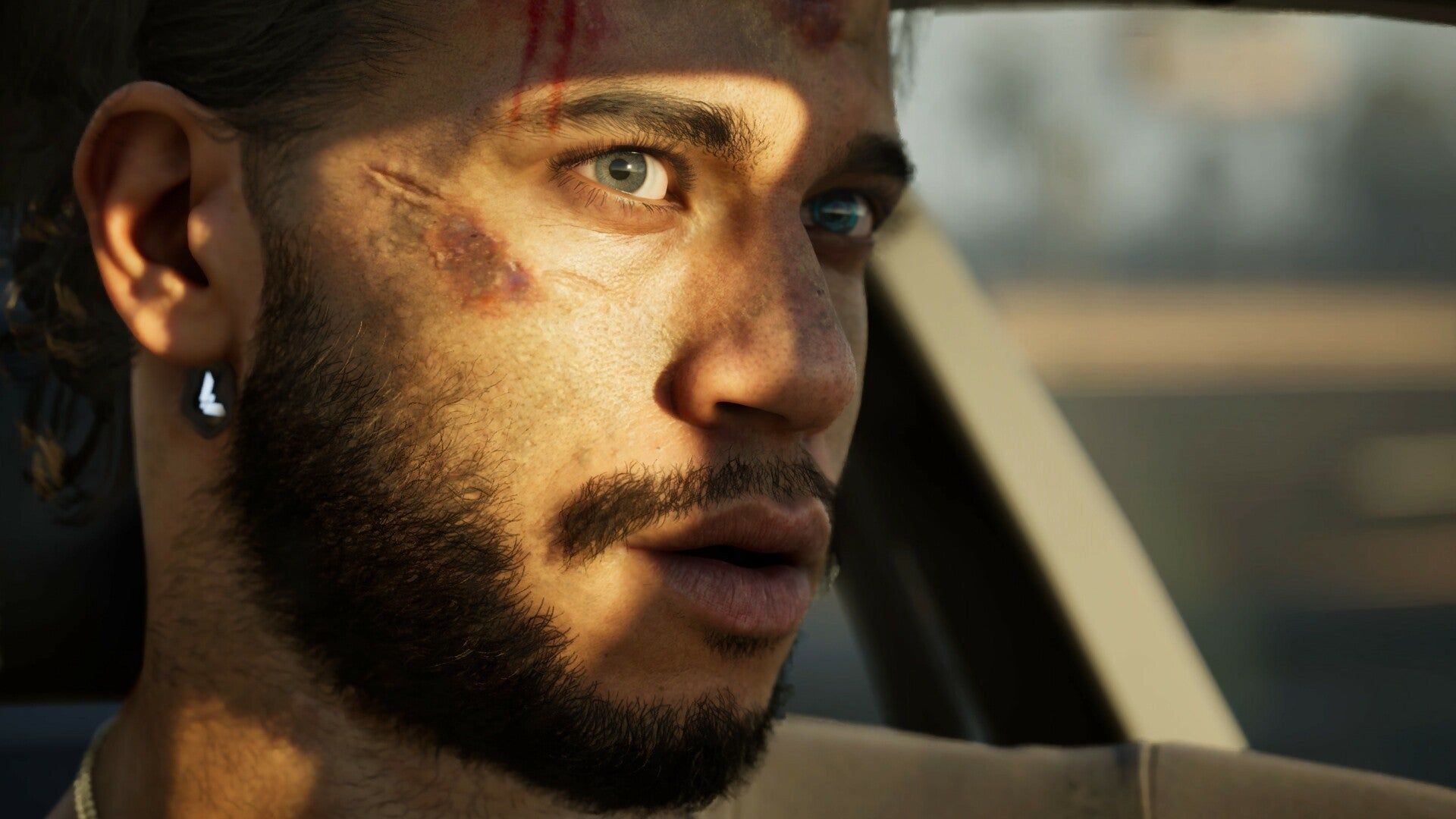
The Broken Dream: How MindsEye’s Developers Fought for a Game That Refused to Launch
In the often-glamorous world of game development, some projects burn brighter than others. But for the creators of MindsEye, the journey from ambitious concept to public disappointment has been less a triumph and more a cautionary tale of spectacular failure and deep personal heartache.
MindsEye, an action-adventure title designed to push the boundaries of interactive storytelling, was conceived as part of the Everywhere platform, a creation space built on the foundations of the “Roblox for adults” model championed by former Grand Theft Auto design chief Leslie Benzies. The ambitions behind the project were massive, fueled by a team with significant pedigree, including developers who had once shaped one of the industry’s most successful franchises.
The dream, however, collided brutally with reality upon its June 2025 release. Instead of critical acclaim, players were met with widespread frustration. Reviews and community feedback painted the game as “broken,” “buggy,” and “the worst game of 2025.” This stark contrast between high-level ambition and disastrous execution quickly became the defining narrative of the project.
The fallout was immediate and severe. Developers, including those deeply connected to the game’s creation, expressed profound distress over the launch issues. The studio publicly announced that they were “heartbroken” by the player backlash and promised a series of patches to address the significant performance problems and glitches that plagued the title.
The internal investigation grew darker as the situation unfolded. CEO Mark Gerhard revealed that the studio was looking into what he termed “criminal activity” that occurred around the game’s launch, suggesting that the troubles extended far beyond mere technical glitches.
The strain extended beyond the game itself, impacting the human cost of the development process. In July of the previous year, the Scottish studio reported that its workforce of around 300 UK staff received emails indicating the risk of redundancy. This followed subsequent rounds of layoffs, and the pressure culminated in fired staff protesting outside the studio over an “all-expenses-paid playtest day,” highlighting the volatile environment within the company.
Despite these dramatic setbacks, attempts to salvage the project proved fruitless. The studio tried to relaunch MindsEye with what was dubbed the “Blacklisted” update, but it failed to capture player interest. Subsequent efforts, including a 50% off Steam sale, similarly fell on deaf ears. Player engagement remained minimal, with the game achieving a mere 24-hour peak Steam concurrent player count of just 16.
Financially, the effort reflected the immense struggle. The company reported revenue of £4.6 million ($6.1 million) but faced enormous operating costs of £52.1 million ($70 million), resulting in a net loss of £36.2 million ($48.6 million) for the period.
This narrative of spectacular failure echoes broader industry reflections. When figures like Strauss Zelnick, the boss of the parent company Take-Two, speak about the entertainment landscape, they point to the difficulty of achieving massive hits in mature entertainment industries. The observation is that even those with deep ties to industry giants, like former Rockstar employees, have attempted to make massive successes, but often find the path fraught with unforeseen challenges.
Buy on Amazon
Credit