120Hz and Thumb Sticks Won’t Get You Streaming
The Paradox of Play: Is Cloud Gaming Hardware the Future of Handhelds?
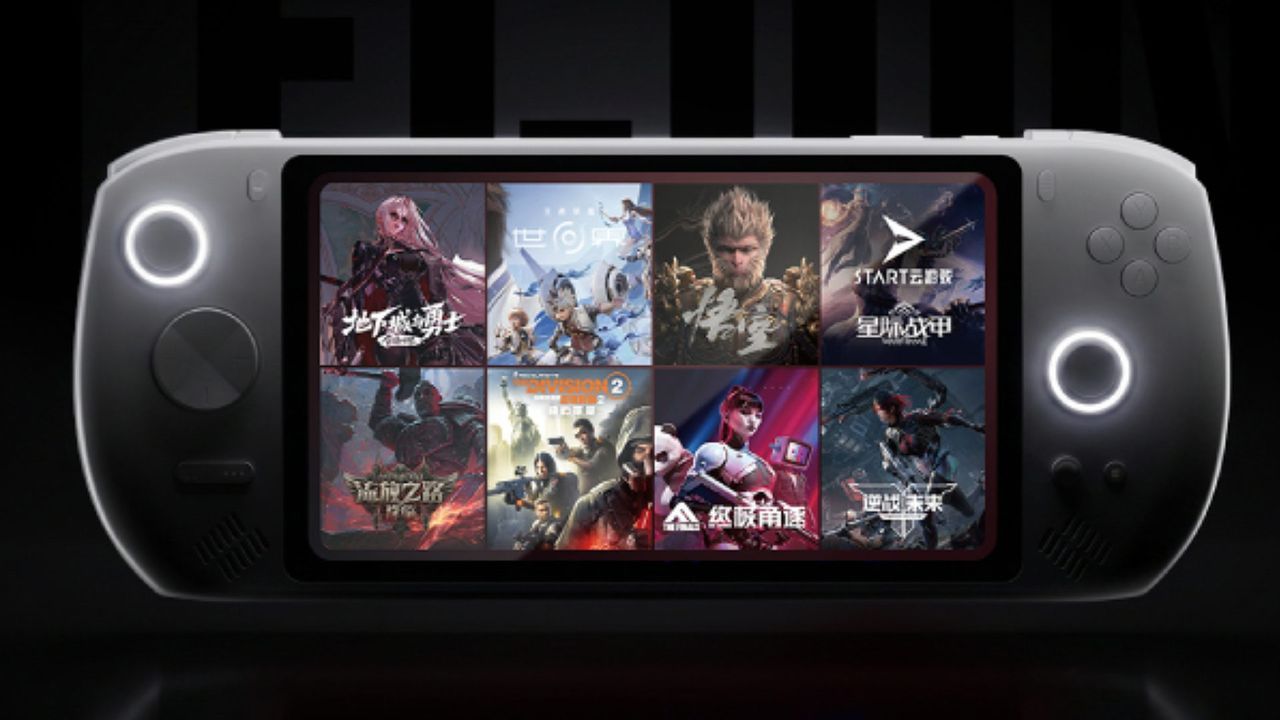
When the news cycle turned its attention to portable gaming devices, anticipation was high for anything offering a sleek, powerful experience. Enter the Lenovo C700, now slated for an August release. On paper, it presents a compelling package: a 7.82-inch display boasting a buttery smooth 120Hz refresh rate, coupled with TMR thumbsticks that leverage magnetic technology for enhanced precision.
Yet, there’s a fundamental shift happening in the portable gaming landscape. The C700 isn’t designed to be a native powerhouse capable of running games offline; instead, it steps into the realm of cloud streaming. This positioning immediately introduces a fascinating paradox: is this a genuine next-generation handheld, or simply a luxury gateway to remote entertainment?
The device positions itself as a premium alternative in the handheld market. While its initial price point might seem more accessible than full-fledged gaming PCs or consoles, diving into the details reveals that true cost analysis involves more than just the sticker price. The user must factor in dependencies—namely, a stable, high-speed internet connection and various subscription services required to access the games.
This concept of access over ownership mirrors a broader trend sweeping the industry. We have seen devices like the PlayStation Portal and other streaming gadgets introduce higher frame rates than native hardware might offer, but they anchor that performance firmly in the digital ecosystem. The C700 is a prime example of this transition, aiming to get users onto services like Tencent’s START platform.
The real debate lies in what this shift signals for gaming ownership. As streaming technology becomes more prevalent, the focus moves away from retaining physical hardware and toward paying for perpetual access. This raises important philosophical questions about where the value of gaming resides—in the device itself, or in the experience provided by the service.
Ultimately, whether the C700 defines the future hinges on its capability. If the device offers enough computational muscle to handle demanding titles smoothly via the cloud, it could position itself as a fantastic entry point for retro gaming lovers who want high-fidelity classics without the hassle of managing physical discs or complex setups.
But if the focus remains solely on connectivity and subscription access, the challenge becomes ensuring that this trend doesn’t simply solidify a future where players pay continuously for access rather than investing in enduring hardware. The technology is exciting, but the true test will be whether it shapes a sustainable and enjoyable gaming future for everyone.
Buy on Amazon
Credit