30fps Frame Gen: Should the Switch 2 Interpolate to 60fps
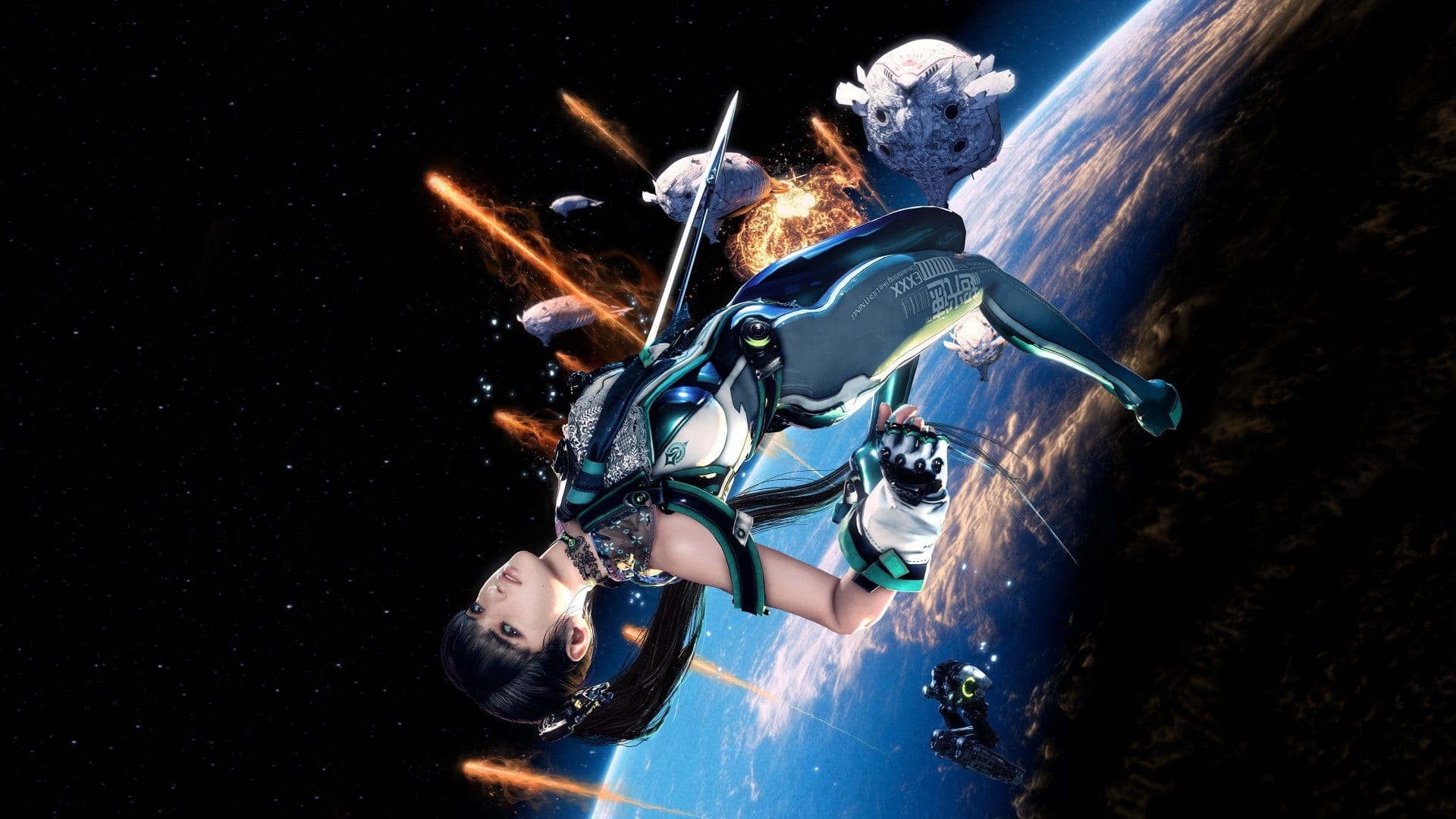
The future of gaming is starting to shimmer on the Nintendo Switch 2, thanks to a fascinating, if slightly unexpected, development in graphical technology: frame generation. This technique, which dramatically smooths out gameplay, is making its way into high-profile titles, pushing the boundaries of what players expect from next-generation hardware.
While developers and hardware manufacturers often advise aiming for a higher starting frame rate, the practical application of frame generation on the Switch 2 is proving that creative solutions can make stunning visual leaps. Two major titles are currently demonstrating this capability: Shift Up’s Stellar Blade and Capcom’s Dragon’s Dogma 2.
Both games are leveraging frame generation to take a base rate of 30 frames per second and interpolate that into a fluid, visually richer experience that mimics 60 frames per second. This effectively gives players a smoother, more cinematic visual experience without necessarily requiring a massive increase in base performance.
However, the implementation is where the real interesting choice lies. The approach taken by each developer highlights a crucial difference in design philosophy. In Stellar Blade, frame generation is mandatory. Players dive directly into the interpolated experience, guaranteeing a consistently fluid presentation.
Conversely, Dragon’s Dogma 2 offers players agency. Capcom has implemented the feature so that players can choose their preferred experience. They can opt for a native 30fps mode or switch to an interpolated 60fps mode, allowing players to tailor their settings to match their desired balance between performance and visual fidelity.
This distinction—mandatory vs. optional—demonstrates how frame generation is evolving beyond a simple technical gimmick. It’s not just about maximizing frames; it’s about giving the player control over the visual experience, allowing games to adapt their technical approaches to serve their unique artistic goals. The demo for Stellar Blade shows the potential of the mandatory approach, while Dragon’s Dogma 2 proves the power of player choice in harnessing these new technologies.
Buy on Amazon
Credit
