6 PS5 emulators now play at 60 FPS Demon’s Souls close
The AI Revolution in Retro Gaming: How PC Emulators are Cracking the PS5 Code
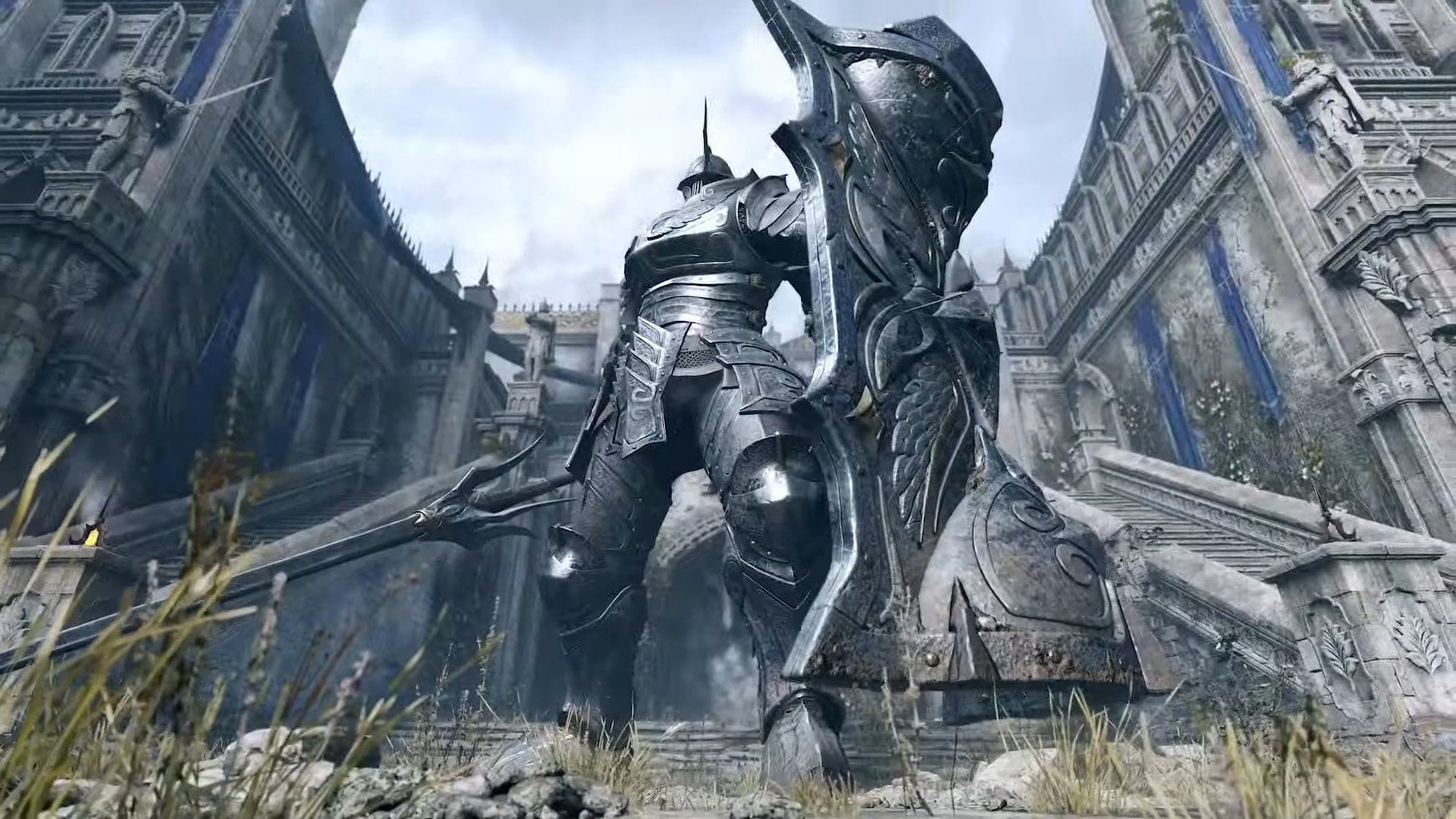
The dream of playing PlayStation 5 games on a PC is rapidly moving from science fiction to tangible reality. A surprising wave of progress is being made in the world of emulation, where dedicated developers are leveraging cutting-edge technology to push the boundaries of what’s possible with console compatibility. Recent updates to major PS5 emulation projects are already allowing more and more titles, including demanding AAA releases like Demon’s Souls and Astro Bot, to be played, signaling a massive shift in how we interact with classic gaming.
At the forefront of this effort are two remarkable projects: SharpEmu and KytyPS5. While these tools are still navigating the choppy waters of technical challenges—full of visual glitches and performance hiccups—the sheer fact that they are even flirting with viability is mind-blowing. Despite the current limitations, they represent a powerful demonstration of community-driven ingenuity.
The momentum is already tangible. Developers are reporting impressive benchmarks. For instance, one update to SharpEmu revealed that out of 55 tested games, 12 are now playable, with six of them running smoothly at 60 frames per second. Similarly, KytyPS5 has managed to get titles like Demon’s Souls running at a respectable 30 frames per second, a significant milestone that highlights the rapid pace of compatibility research.
This accelerated development pace is not happening by accident; it is fundamentally being driven by the integration of artificial intelligence. The role of AI is becoming indispensable in the complex task of reverse-engineering and code generation required to translate console data into playable PC experiences. This technological leap is moving emulation far faster than anyone could have predicted.
Both projects have openly embraced AI assistance in their development process. While developers insist that they must fully understand and be able to explain any code they submit, the use of AI tools is now integrated into the research, reverse engineering, and documentation phases. This collaboration shows a willingness among developers to harness advanced tools to achieve ambitious goals.
This trend is not unique to PlayStation emulation. The shift in approach reflects a broader movement across the gaming landscape. While some community discussions have raised concerns about the quality of code generated by AI, the practical results from projects like these demonstrate that the ability to translate complex console architecture is accelerating dramatically.
Ultimately, the progress in PS5 emulation showcases the incredible power of collaborative development. As these tools continue to refine their performance and compatibility, they are not just offering ways to play old games; they are redefining the relationship between console generations and the PC platform, proving that the future of gaming is being built at an exciting, high-speed intersection of community passion and artificial intelligence.
Buy on Amazon
Credit
