7 Years of Mario Kart Tour Gameplay What I Left With
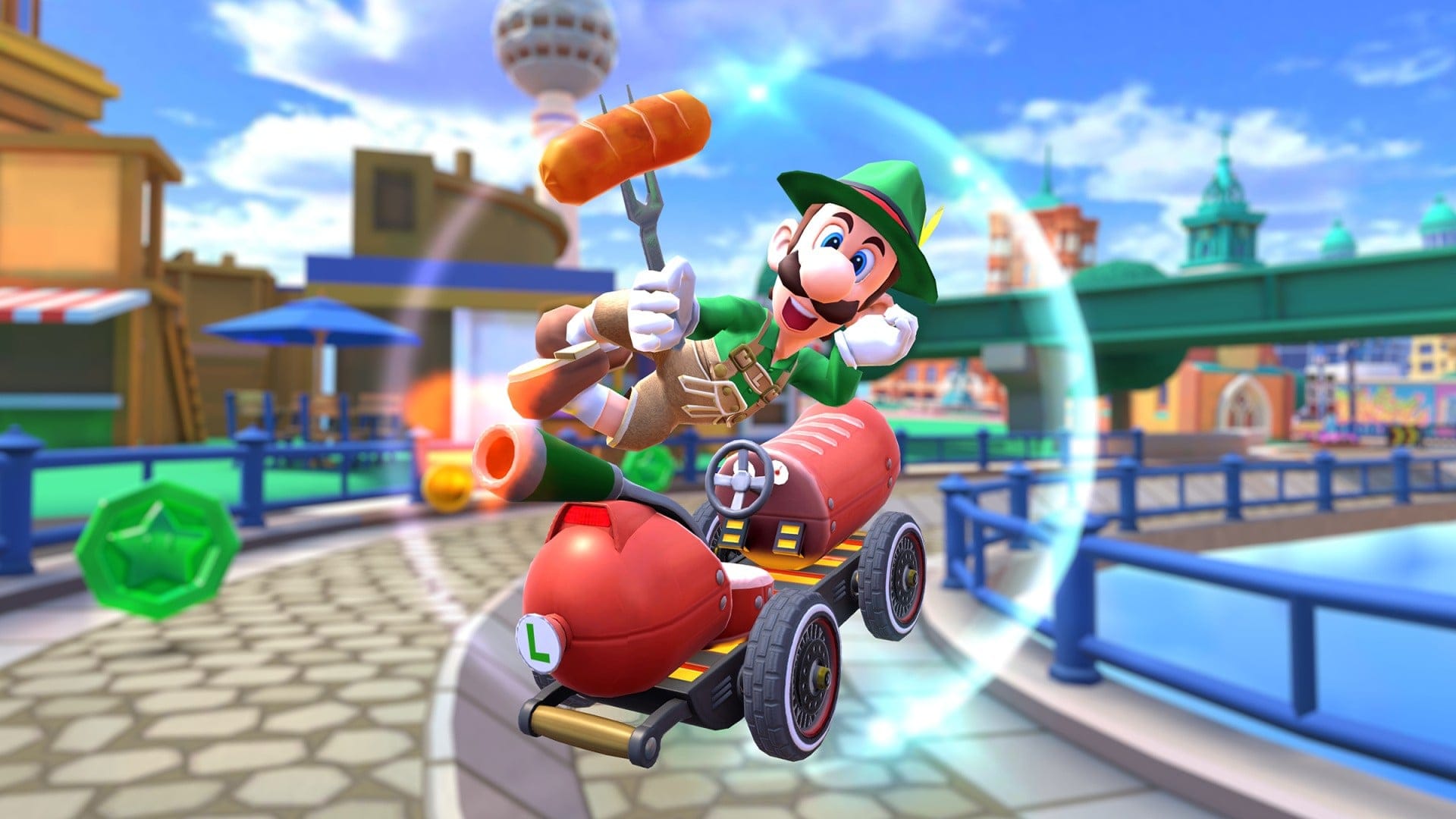
The digital world of mobile gaming is constantly evolving, and when a giant like Nintendo enters the arena, the stakes are set incredibly high. On September 24, 2019, Nintendo made a major splash by launching Mario Kart Tour for mobile devices. This move marked Mario’s second foray into the mobile gaming landscape, following the initial release of Super Mario Run in 2016.
While the initial excitement for Super Mario Run was undeniable, the long-term revenue generated proved to be a much different story. Despite its popularity, Super Mario Run only managed to generate about usd60 million in revenue. This figure stood in stark contrast to the performance of other major mobile titles in the market, including Nintendo’s own Fire Emblem Heroes.
Enter Mario Kart Tour. Designed with mobile player expectations firmly in mind, the new title immediately proved itself more successful than its predecessor. It demonstrated that the formula for arcade racing, adapted for a touch screen, could deliver robust engagement and, critically, better results than the earlier attempt.
This success introduces a fascinating bit of irony into the mobile gaming timeline. We are now seeing a situation where the older title, Super Mario Run, continues to receive updates and attention, while the newer, more successful Mario Kart Tour is slated to run until September 30, 2026.
It’s a perfect example of how game design and market adaptation matter. The enduring appeal of the Mario franchise, combined with a savvy understanding of the mobile audience, allowed Mario Kart Tour to capture the zeitgeist and establish itself as a lasting hit, setting a new benchmark for Nintendo’s presence in the competitive mobile space.
Buy on Amazon
Credit
