9/11’s Impact: How GTA Forever Was Changed
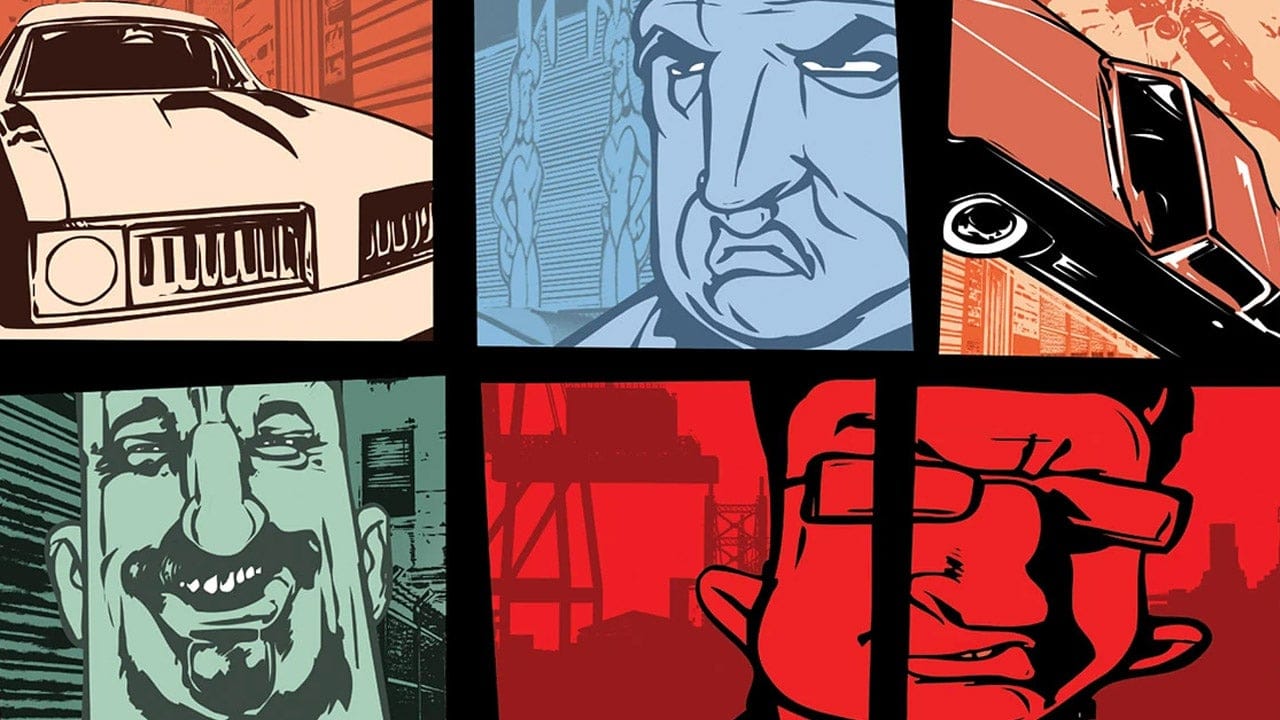
There is arguably no visual icon in gaming as instantly recognizable as the cover art of the Grand Theft Auto series. From the time of GTA 3 in 2001 to the upcoming GTA 6, these panelled collections of images featuring sprawling open worlds and unforgettable characters have become etched into the collective memory. But behind this iconic aesthetic is a story far more dramatic than just game development—a narrative deeply intertwined with real-world tragedy.
When reflecting on the legacy of the Grand Theft Auto franchise, former Rockstar executive Dan Houser revealed how the worlds he helped create eventually became woven into the wider cultural fabric. He shared that the visual evolution of the series was not just an artistic choice, but a direct response to the devastating events of September 11, 2001.
The bold, colourful, and often stark style of the GTA cover art emerged directly from this moment of global upheaval. Houser explained that the original designs planned for the franchise had to be fundamentally changed at the last minute. The initial imagery, which included depictions of burning buildings, was deemed too offensive to release in the immediate aftermath of 9/11.
“What’s funny is the cover art that became the iconic GTA look; it was changed in about two evenings,” Houser recounted. “The original imagery was too provocative after 9/11, so the look of those iconic shards and squares only appeared because of that tragedy.”
These necessary alterations, alongside adjustments to game content, introduced a slight delay for GTA 3’s release, pushing it from October 3, 2001, to October 22. Despite the pressure, the development team persevered, and the game eventually became the landmark success it is today.
Beyond the GTA universe, the cultural moment spurred similar adjustments across other major media. Other titles dealing with similar themes had to navigate the fallout, including Command & Conquer: Red Alert 2, which redesigned its packaging, and Hideo Kojima’s Metal Gear Solid 2: Sons of Liberty, which removed sections referencing the destruction of Manhattan and the Statue of Liberty.
Even visual media outside of gaming felt the impact. The trailer for Sam Raimi’s Spider-Man had to be recut to remove a helicopter caught between the World Trade Center towers, and Men in Black 2 underwent massive reshoots for similar reasons. The shadow of 9/11 undeniably reshaped how media was produced, forcing studios to rethink sensitive imagery.
Twenty-five years later, the template remains remarkably effective. The visual language of the GTA covers continues to evolve while staying rooted in this shared history, setting a benchmark for visual storytelling that continues to influence gaming today.
Buy on Amazon
Credit
