A different Last of Us adaptation was proposed
When a beloved video game narrative finds its way to the big screen, the journey is often fraught with drama and creative hurdles. The story of The Last of Us is a perfect example of this tumultuous process—a project that nearly became a major motion picture before finding its ultimate, explosive success as a television phenomenon.
In 2014, the idea of adapting the post-apocalyptic world of Naughty Dog’s masterpiece for film was officially put on the table. A post from Sony Pictures declared that The Last of Us was “soon to be a major motion picture.” This initial push involved official studio-sponsored art and even a secret panel at San Diego Comic-Con, suggesting a tangible cinematic future for the game’s narrative.
At the heart of this adaptation effort was director Neil Druckmann, who confirmed he would adapt the story. However, turning a complex, character-driven video game into a two-hour feature film presented immediate challenges. Druckmann noted that early script drafts involved “pretty big changes” from the source material, highlighting the inherent difficulty in condensing such rich storytelling.
The path forward quickly devolved into what many call Development Hell. For over a year, the project stalled. There was no director signed on, no final cast, and no release date, leaving the cinematic vision in limbo. This period of stagnation underscored the difficulty of translating nuanced gameplay and deep character arcs into a linear film format.
Druckmann reflected on the creative friction, noting that movie executives often pushed for a more action-heavy approach, suggesting the story be made “bigger” and more like World War Z. He felt this direction missed the emotional core of the narrative. This disagreement suggested a fundamental divide between cinematic expectations and the source material’s artistic vision.
This resistance fueled a critical shift. Rather than fighting the constraints of the feature film format, the team pivoted toward a medium that embraced the depth and artistry of the source material. HBO, meanwhile, approached the material with a reverence that ensured Naughty Dog remained central to the creative process.
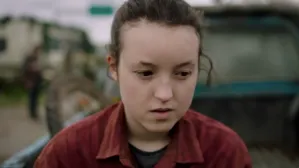
The result was a masterful television series that prioritized emotional depth and character development over cinematic spectacle. When the show premiered in 2023, it captivated audiences, largely thanks to incredible performances. Bella Ramsey, as Ellie, and Pedro Pascal, as Joel, delivered performances that cemented the series as a critical and commercial smash.
The success of the series has continued, with subsequent seasons continuing to deliver compelling drama. Although Druckmann eventually stepped down from the series to focus on other projects, the legacy of The Last of Us remains a powerful testament to how a story, when treated with reverence, can find its most resonant form, proving that sometimes, the best adaptations are found not on the silver screen, but on the small screen.
Buy on Amazon
Credit