Aang Concept Photo Leaks Director Reveals Visuals at Comic Con 2026
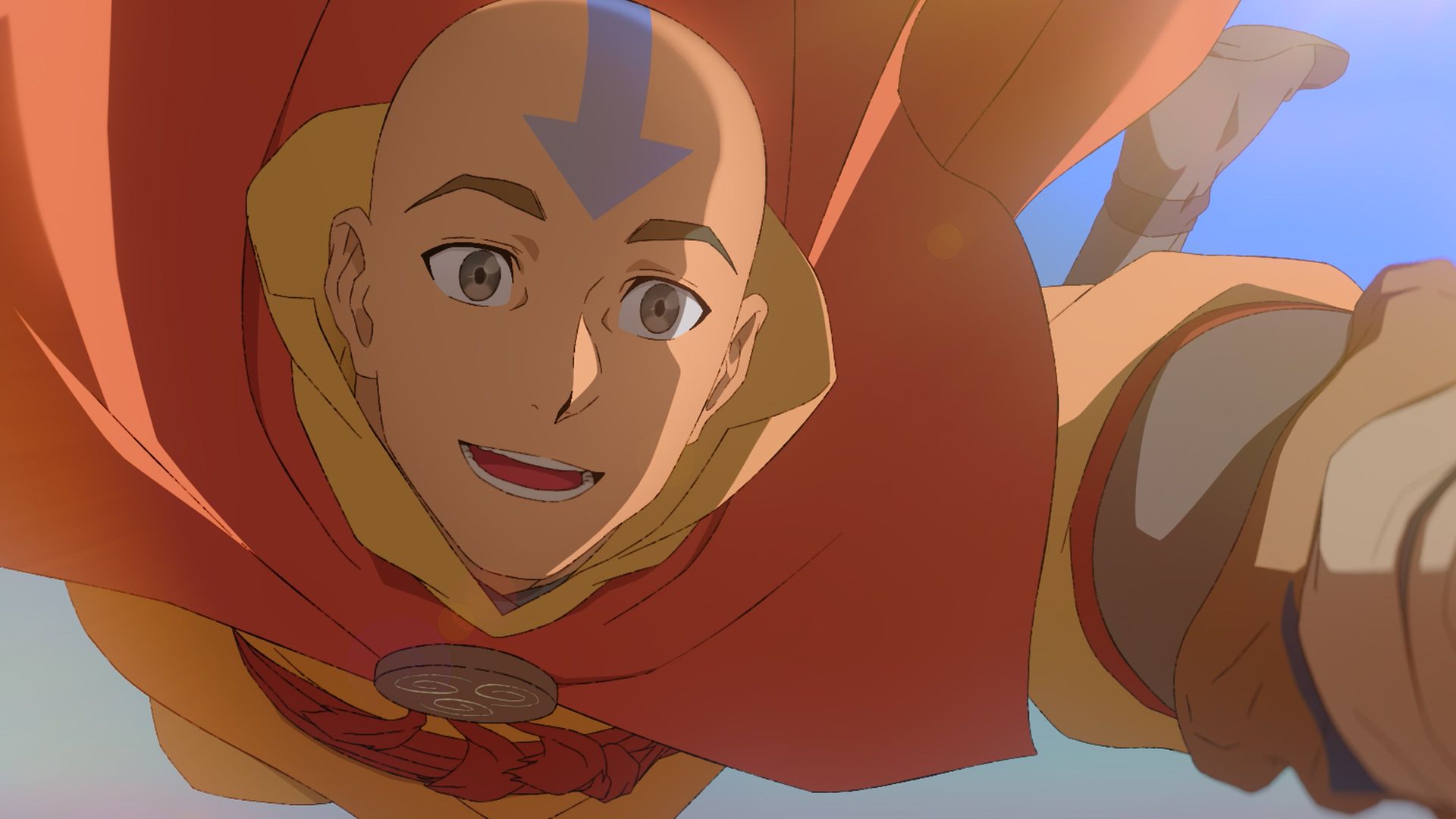
The Art of Leaks and Language: Inside the Avatar Creative Journey
Behind every blockbuster lies a chaotic tapestry of creative decisions, and for the world of Avatar, that tapestry is woven with early leaks, intense artistic debates, and groundbreaking linguistic innovation. Director Lauren Montgomery recently pulled back the curtain on some of these fascinating moments, offering a glimpse into the often-turbulent process of bringing the world of Pandora to life.
One such moment involves an infamous early photo shared at a San Diego Comic-Con panel. It featured the evolving Team Avatar, and it sparked a memorable anecdote about creative leaks. Montgomery recalled an image—dubbed the “Avengers shot”—that had leaked before it was officially released. The story reveals that the team’s production designer felt pressure to alter the image to prevent the leak, leading to changes that ultimately resulted in a stunning and widely used final design.
This experience highlighted how quickly creative concepts can spiral into public discourse. As one designer recounted, facing potential leaks meant making adjustments, which paradoxically led to an even more beautiful result. The shift wasn’t just about hiding images; it was about refining the vision through real-world interaction and artistic evolution.
The journey to the final aesthetic involved exploring dozens of concept sketches that informed the characters we see on screen. Montgomery walked the audience through variations, including different hairstyles for Zuko, various outfits for Toph, and even a pregnant Katara. These early iterations, though discarded, played an essential role in shaping the character’s final appearance.
Beyond visual design, the creators grappled with fundamental questions about the medium itself. When mapping out how they would animate these rendered images, co-creator Bryan Konietzko reflected on the debate between two-dimensional and three-dimensional storytelling. Initially, the team leaned toward 3D, influenced by other popular stylized media like Spider-Verse. However, a profound realization hit them: Avatar was a love letter to Japanese anime, an art form that needed to remain rooted in 2D hand-drawn aesthetics.
This push for traditional artistry led the team to advocate strongly for staying committed to 2D animation, asserting that artists should be free to explore all mediums. This insistence ensured that the unique visual language of Avatar remained central, preserving the spirit of the original concept.
To further solidify the world moving forward, Konietzko embarked on an ambitious project: creating a completely new written language for the universe called Avatarian. Seeking inspiration beyond traditional rhythms, he turned to Hangul, the Korean alphabet, as a blueprint. He developed a phonetic system that translates to Avatarian and uses simplified four-element symbols as its base radicals, giving the world of Avatar a truly unique linguistic identity.
The world is continuing to expand with new horizons. Fans can look forward to Avatar: Seven Havens, a 26-episode animated series about a new post-Korra earthbending Avatar, set to arrive on Paramount+ on October 9th. The film’s soundtrack will also be available for streaming soon, and the project is set to release an art book in November, packing behind-the-scenes details of this epic adventure.
Buy on Amazon
Credit