Abyss Ending Visuals Review
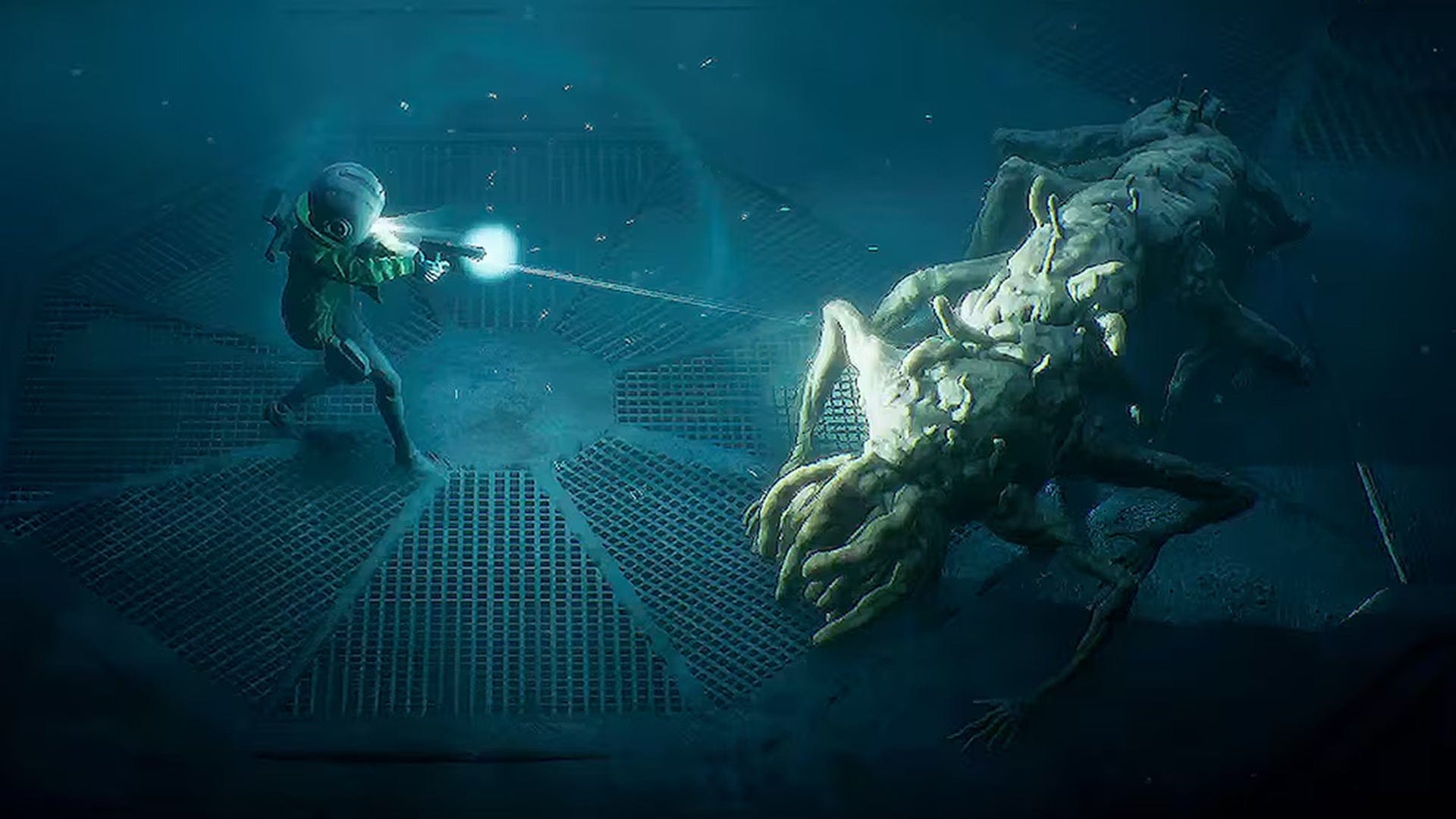
The thrill of the metroidvania genre lies in the promise of mastery—the slow, deliberate unraveling of an unknown space until you command its complexities. Developer Section 9 Interactive attempted to bottle this feeling of dominance and dread in their debut, End of Abyss, by plunging players into a gargantuan, labyrinthian facility.
The game immediately establishes a chilling atmosphere, setting the stage for a truly atmospheric horror adventure. Centered around Cel, a silent combat technician, the player navigates desolate, concrete corridors, observing a world overrun by zombified station workers and parasitic fungal growths. This initial foray into the facility, reminiscent of earlier clay-doll aesthetics, is undeniably mesmerizing. The grotesque detritus of vacant rooms and flickering lights craft a genuinely unsettling environment, feeding the desired sense of unease with every shadowed doorway.
But as the exploration deepens, the initial grip of dread begins to slip, revealing seams in the design. What started as a deeply immersive horror experience gradually devolved into a procedural slog. The artful terror of jump scares and hidden threats quickly became predictable; corpses conveniently placed in open arenas and enemies that always appeared led to combat encounters that felt rote rather than surprising.
The mystery surrounding the facility is built almost entirely on absence. Characters offer little useful context, leaving the player to piece together the horrors through scattered documents. While the slow descent into the lower levels eventually offered new, unsettling discoveries, the overall narrative momentum often lacked tangible stakes, relying instead on mystery for the sake of mystery.
The mechanical elements offer a stark contrast to the atmosphere. The twin-stick combat, featuring weapons like the Pulse Gun and a flamethrower, demands skill. Mastering the movement and managing the razor’s edge between confidence and hubris during combat is engaging. However, the boss fights, while occasionally inventive, often fell into predictable patterns of rolling and shooting, disappointing the action promised by the dynamic controls.
Exploration in End of Abyss further tested the player’s patience. The interconnected hallways, designed to offer a grand puzzle, often proved frustrating. The visual lack of variety meant that navigating the complex systems felt like a tired cycle of opening cold steel doors for minimal reward. Unlocking shortcuts often led to confusion about their true purpose, creating a feeling of aimless roaming rather than satisfying discovery.
One area that offered a crucial shift was the Containment Sector. This zone introduced a tangible threat—lethal radiation—forcing the player to shift from scavenger to surgical survivor. The realization that the deeper they ventured, the more dangerous the environment became, provided a genuine escalation of fear. The eventual discovery of protective gear offered a moment of relief, yet the disconnect between this focused survival and the overall exploration felt jarring.
Despite these structural frustrations, the sound design deserves high praise. The pulsating reverberations of clangs and distorted gurgles, combined with the wet squelching of scurrying enemies, give the facility an unparalleled sense of scope. This audio landscape manages to outsize the dark and tight corridors, giving the facility a feeling of immense, sprawling scale.
Ultimately, End of Abyss is a study in paradox: a game with phenomenal atmospheric potential and deeply unsettling sound design, undermined by mechanics that rely too heavily on repetition and frustrating exploration. It succeeds as a haunting journey, but it struggles to maintain its initial momentum, leaving the player with a sense of magnificent, yet ultimately disappointing, mastery.
Buy on Amazon
Credit
