AC Black Flag feet pics surprised director in photo mode
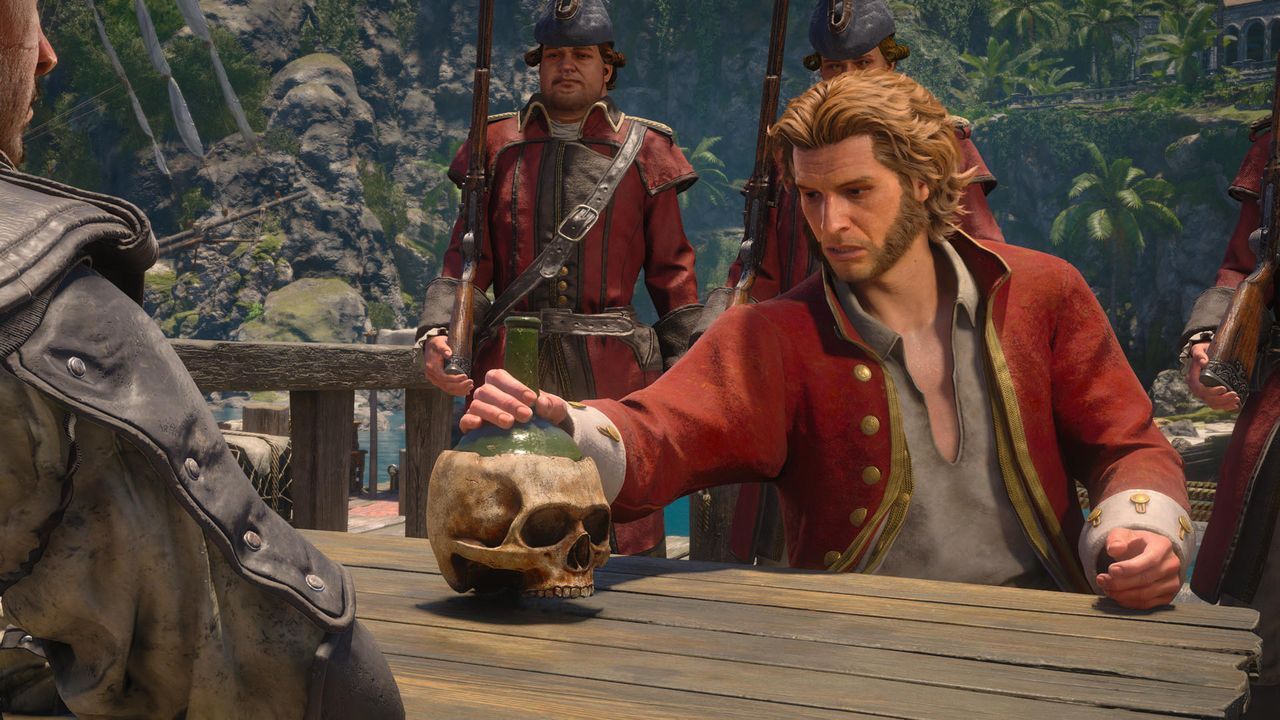
When game developers hand players a tool like photo mode, they relinquish control over the final output. And once that leash is off, the possibilities for user-generated content can lead to some truly unexpected, and often hilarious, results.
In the world of gaming, this phenomenon has taken an interesting turn recently, particularly with the release of Assassin’s Creed Black Flag Resynced. While photo mode is intended for capturing scenic or dramatic moments, the sheer volume and variety of images emerging from the community have led to some surprising discoveries about what players are willing to create.
“There’s just nothing like having one million or two million players playing a game at once that you can’t replicate,” explained Richard Knight, the game director for Assassin’s Creed Black Flag Resynced, reflecting on the influx of user-generated photography. He noted that the sheer volume of content, including some very unusual shots, was quite surprising.
Knight suggested that the purpose of photo mode is simply to allow players to take “really interesting, sometimes unusual, photos.” It seems that the internet, as always, has found a delightful outlet in generating material that pushes the boundaries of what the game offers.
This kind of playful tomfoolery is certainly something that plays well with an online audience. While some might find the emerging content amusing, others might find it wildly unexpected. The difference often lies in personal experience; for one player, the magic is in creating a fake comic book cover, as was common during the days of Spider-Man games. For another, the reality of what emerges from photo mode can be a much more startling revelation.
Knight admitted that this particular trend was unexpected. “I never would have expected that one,” he remarked, highlighting the shift in content focus among the community.
Ultimately, the story goes beyond the images themselves. It touches upon a broader philosophical point about creativity and freedom. If developers try to restrict user interaction, they risk stifling the genuine adventure of life. The true challenge, it seems, is simply to allow players the space to explore and do what they want—that is where the real creativity lies.
Buy on Amazon
Credit