
Accidentally made a long Razer Game Boy for TATE shmups
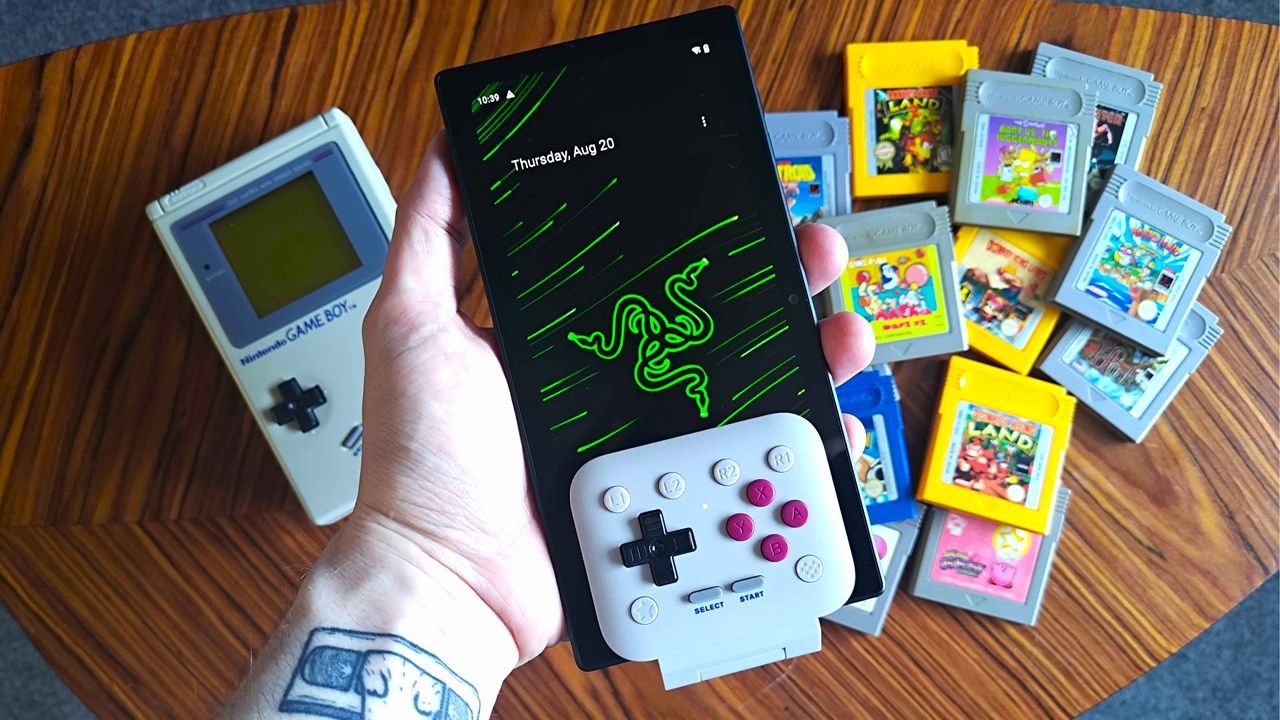
Turning Flagships into Retro Handhelds: The Quest for the Ultimate Game Boy
Forget simply buying a retro controller; sometimes, the greatest gaming experiences are born from a little bit of creative engineering. I recently embarked on a quest to build my own personalized Game Boy, a project that quickly turned from a simple DIY attempt into a hilarious tale of incompatible tech and unexpected brilliance.
The dream started with the 8Bitdo FlipPad, a device promising to transform a smartphone into a classic handheld experience. The goal was simple: turn a modern device into a nostalgic machine. However, reality quickly intervened when the hardware refused to cooperate. The tiny hinged controller, designed for one purpose, clashed violently with the design choices of my daily driver, the Asus ROG Phone 9 Pro. The incompatibility felt less like a technical glitch and more like a deliberate roadblock set up by modern phone design.
The initial plan hit a snag immediately. The phone’s offset USB-C port meant the FlipPad couldn’t seamlessly integrate, forcing a frustrating detour. Instead of immediately giving up, I started rummaging for a solution, embracing the spirit of the “junk car” meme—where you take mismatched parts and create something entirely new. If you tried to use the FlipPad with the phone, you were stuck with a less-than-ideal alternative, highlighting the inherent challenges of mixing high-spec mobile hardware with retro ambitions.
So, how did I salvage the project? I decided to pivot. Instead of fighting the phone, I looked for a partner. I paired the 8Bitdo FlipPad with the Razer Edge, an Android handheld featuring a large 6.8-inch AMOLED screen. The idea was audacious: flip the Edge vertically and use the FlipPad to extend the display, effectively crafting a custom, high-spec handheld with the dimensions of a true Game Boy.
The result was certainly not traditional. The resulting creation was a vertically oriented powerhouse that managed to blend retro aesthetics with modern performance. While some might have questioned the structural balance—a screen that stretched past the controller—the visual payoff was undeniable. The extended 20:9 aspect ratio screen proved to be a major advantage, offering a larger playing window than some dedicated handhelds and rivaling the display quality of older AMOLED screens.
This setup demonstrated that form can follow function, even when the components are decidedly disparate. The ingenuity lay in using the length to maximize immersion, transforming the handheld into a machine perfectly suited for vertical shmups and long dogfights. It proved that the most engaging retro experiences aren’t just about nostalgia; they are about pushing the boundaries of what existing hardware can achieve.
Looking forward, the experience with the 8Bitdo FlipPad itself has been overwhelmingly positive. I am particularly impressed by the physical feel of the device, noting the satisfying click of the metal dome switches and the magnetic hinge that allows for full-screen access. The FlipPad itself excels in its function, offering a robust, tactile experience that pairs perfectly with the newly constructed handheld. It is a testament to the idea that sometimes, the most compelling gadgets are those assembled by giving the seemingly broken parts a chance to collaborate.
Ultimately, the journey from incompatible components to a custom-built retro handheld was more than just a technical exercise. It was a reminder that true innovation often lies not in adhering strictly to the instructions, but in creatively bending the rules to forge something truly unique.
Buy on Amazon
Credit