Acer CEO calls memory shortage until 2030 impossible
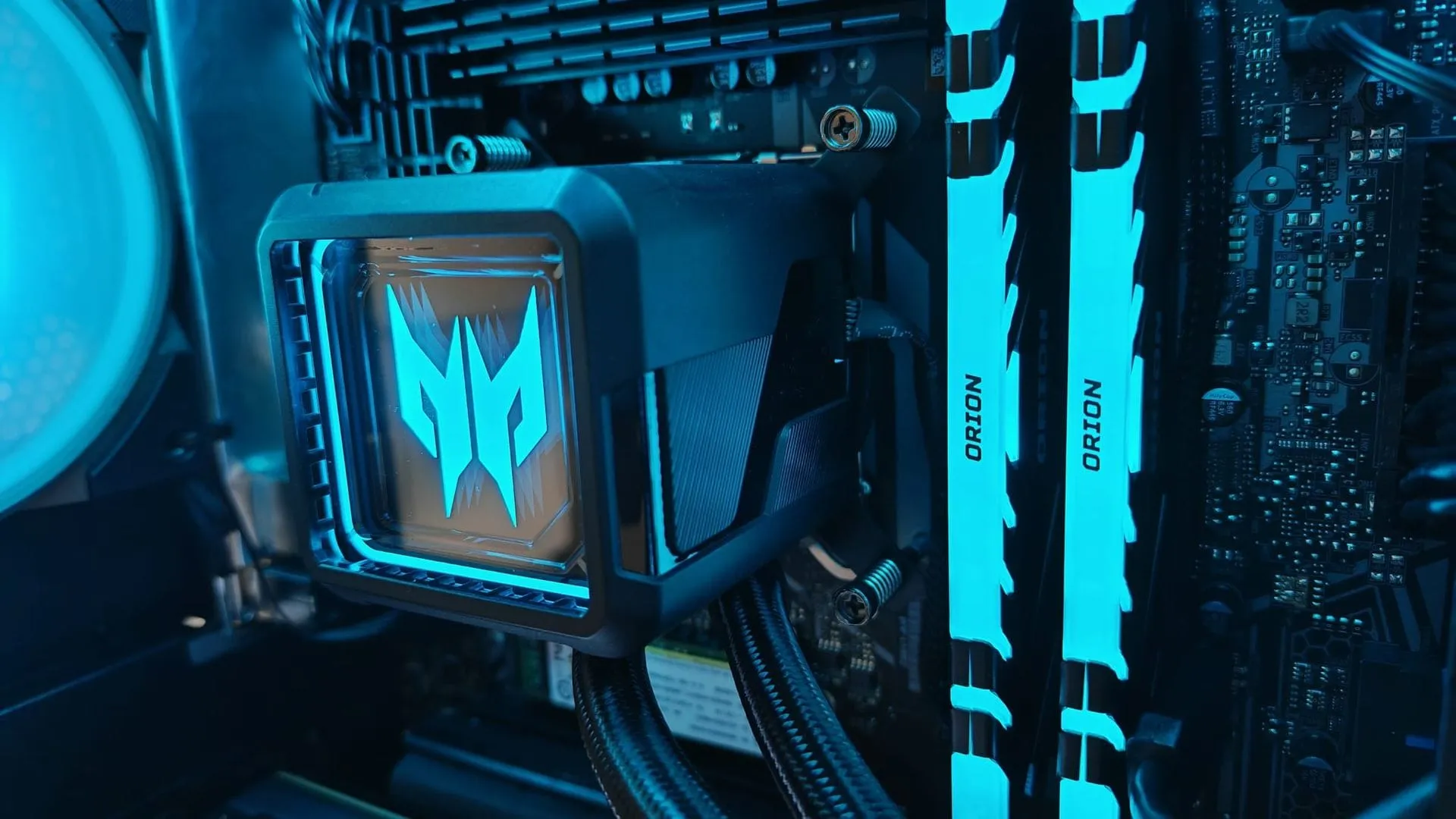
The RAM Paradox: How Tech Titans Predict the End of the Memory Crisis
The global memory market has been characterized by intense anxiety, soaring prices, and constant speculation about the looming shortage. Yet, amid this high-stakes environment, a major voice from the industry is offering a surprisingly optimistic outlook, suggesting that the crisis may not linger as long as many fear.
Jason Chen, the CEO of Acer, has recently shared his perspective on the ongoing memory crisis, offering a view that seems to fly in the face of the current market panic. Despite the fierce competition and the dramatic supply constraints that have defined the past few years, Chen posits that the scarcity will not drag on until 2030.
This assertion suggests a fundamental shift in the dynamics of the supply chain. Chen argues that the bottleneck is not necessarily a lack of production capacity, but rather an imbalance between supply and demand, noting that there are “many potential sellers but few buyers.” This perspective reframes the problem, suggesting that the issue is less about physical shortage and more about market distribution and purchasing priorities.
However, while the long-term outlook is hopeful, the immediate reality remains complicated. The current turmoil stems directly from the insatiable demands of the AI sector. Major memory producers like Samsung, Micron, and SK Hynix have entered into massive contracts with various AI companies, securing amounts of RAM that equate to more than the planet currently produces annually. This massive hoarding has created artificial constraints for the consumer market, fueling the current inflationary pressures.
The complexity deepens when considering the pricing landscape. Chen also offered specific predictions regarding the immediate aftermath of the shortage, anticipating an average price increase of 5-20% in the fourth quarter of 2026. He further suggested that this price spike would be followed by a subsequent decline in mid-2027 and into the following year.
This fluctuating prediction highlights the intricate web of contracts and market manipulation currently at play. For instance, Micron has introduced agreements with its clients to stabilize high memory costs for another five years. This means that even if supply eventually meets demand, the financial burden for consumers is likely to endure, making the transition out of the shortage a complex economic challenge rather than a simple relief.
Ultimately, the memory crisis is not simply a story of limited chips; it is a fascinating case study in supply chain dynamics, AI-driven demand, and corporate contracting. While some expect quick relief, the ongoing narrative suggests that the market will continue to navigate complex agreements and fluctuating costs for the foreseeable future.
Credit