Activision lost the Rare bidding war and now oversees the studio
The corporate landscape of gaming is always shifting, and the latest move by Xbox is a perfect example of how history plays out in the digital marketplace. In a major organizational reshuffle, the legendary studio Rare has officially found a new home under Activision, 24 years after Xbox first won the right to acquire the company.
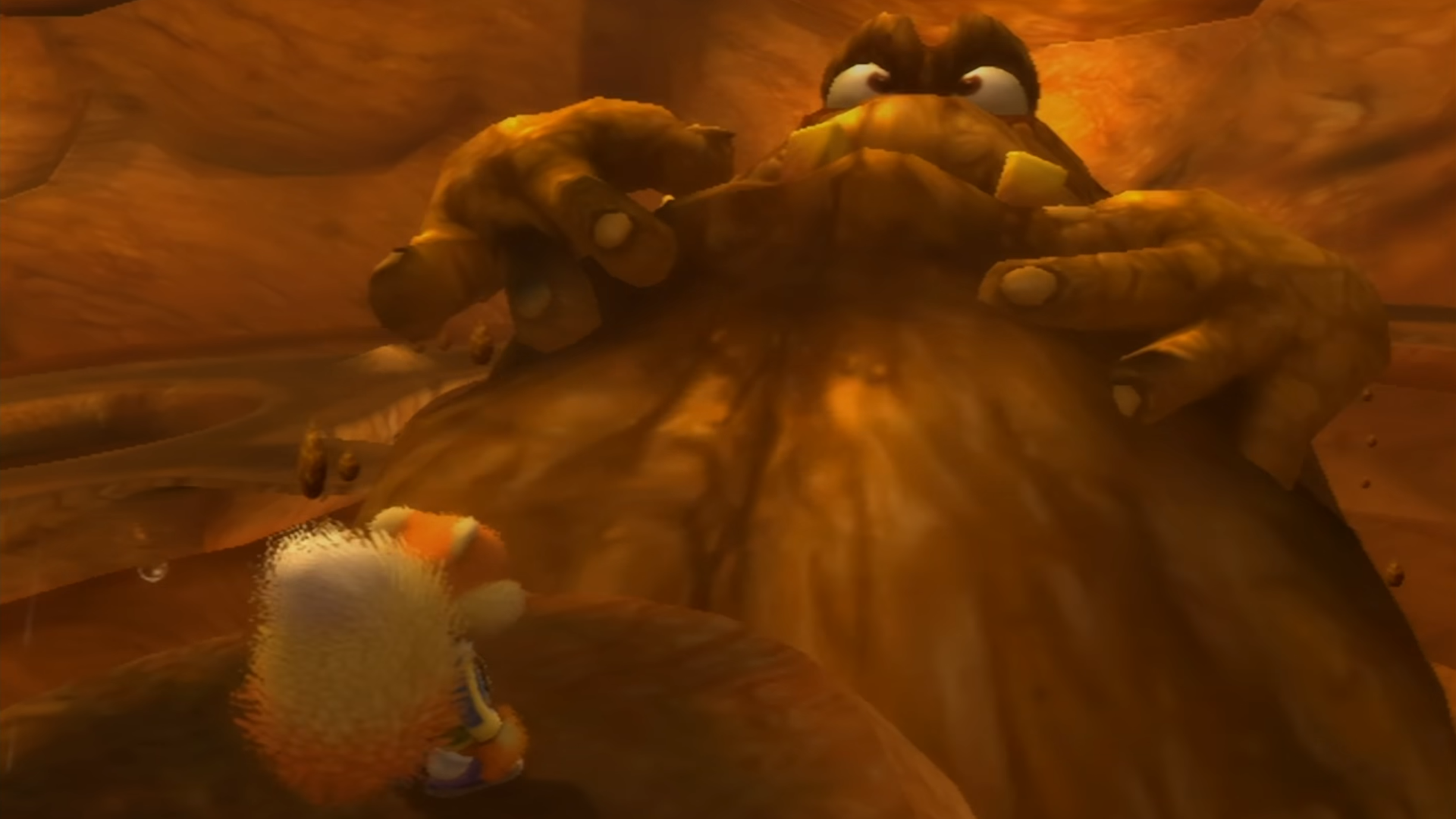
Rare’s journey is a fascinating study in studio evolution. While the studio has certainly released some enduring gems, like the Viva Pinata duology and Banjo-Kazooie: Nuts and Bolts, it didn’t consistently achieve the heights of its golden era in the 1990s and early 2000s. It was a powerhouse developer that navigated a significant shift in the industry, ultimately landing under Microsoft’s umbrella.
This history is particularly interesting when you consider the origins of the studio. Back in 2002, the acquisition of Rare was part of a spirited bidding war. While Xbox ultimately secured the deal, the other major players included Nintendo and, notably, Activision. This competition highlights how coveted the studio was, and how big corporations vie for creative assets.
Today, that competitive history plays out in a very different context. The studio, now part of Activision, is focusing its energy on its successful live service title, Sea of Thieves. This shift demonstrates how game development adapts—from creating platforming icons for the PS1 and N64, to developing expansive, persistent worlds today.
The movement of Rare under Activision means that the legacy of these iconic platforming characters, such as Banjo, now fits into the wider Activision universe alongside titles like Crash and Spyro. It’s a reminder that creative history often crosses corporate lines, blending different gaming worlds into a cohesive tapestry.
This restructuring comes amid broader corporate adjustments, including Microsoft’s ongoing plans to reduce its workforce. Yet, the story of Rare remains one of enduring impact, transitioning from a highly competitive acquisition to a part of a larger gaming ecosystem. It shows that even decades after a major corporate transaction, the foundation of beloved games continues to define the industry.
Buy on Amazon
Credit