After the Xbox Reset Tim Schafer is Indie Again
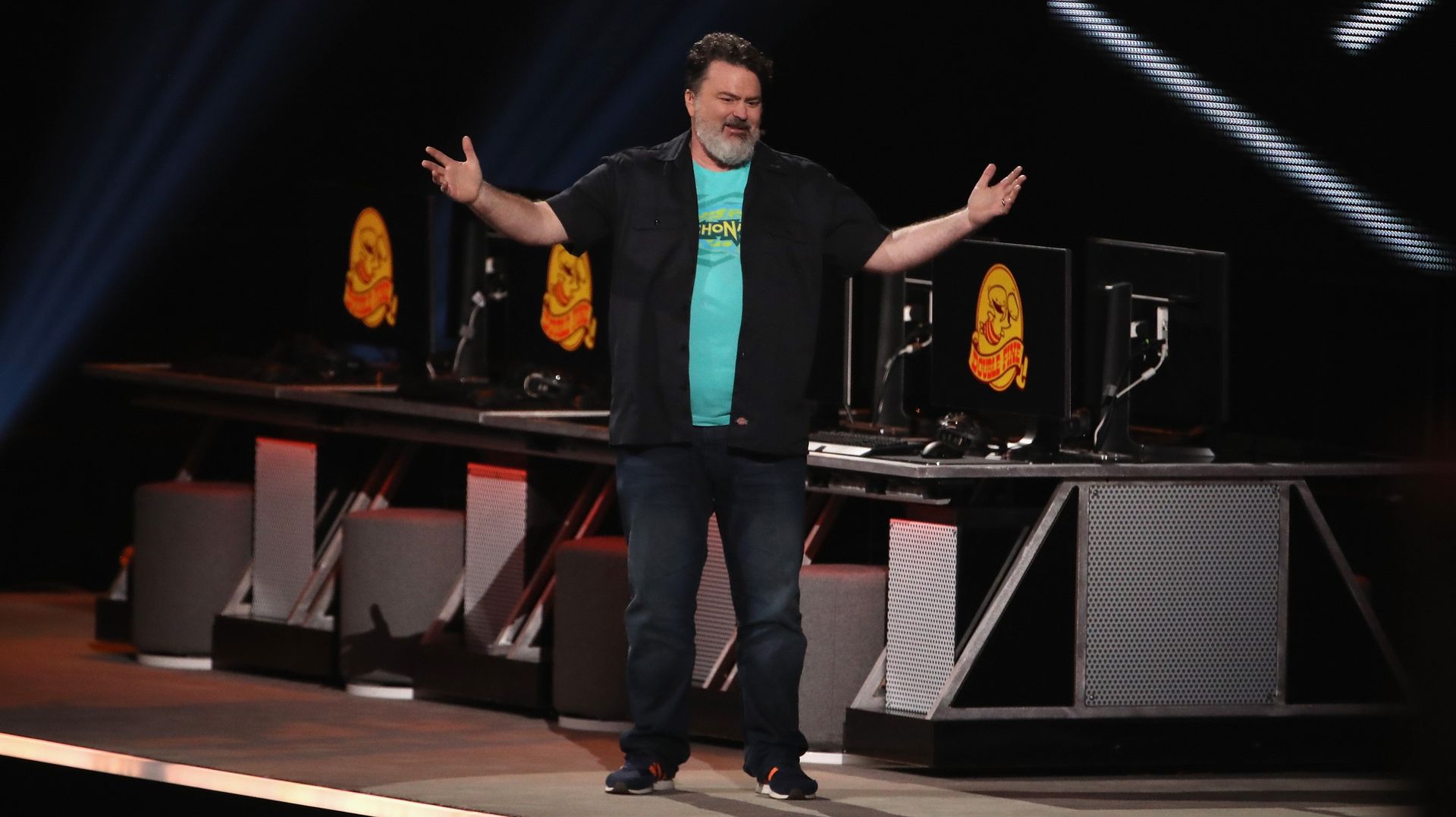
When a major studio splits, the journey into independence is rarely a smooth ride. For the team behind games like Psychonauts 2, Kiln, and Keeper, stepping away from a massive corporation like Microsoft presents both a challenge and an exhilarating opportunity. Now, as the studio focuses on its second life as an independent entity, they are building momentum, proving that creativity and community can fuel any venture.
The shift has brought fresh perspectives, but as studio head and president Tim Schafer reflected at recent events, the experience has been more than just a change of address; it has been a profound awakening. After nearly two decades under the Microsoft banner, Schafer noted that returning to the independent scene is both scary and thrilling, requiring a new kind of grit and vision to navigate the world on their own terms.
The real secret to their current success, it seems, lies in the power of the community. Schafer emphasized that the connection to fans—who don’t just consume games but actively invest in the creative process—is what makes the experience special. This engagement goes beyond financial support; it’s a shared thirst for creativity, inspiring players to explore new forms of art and programming.
This collaborative spirit is now fueling their latest endeavors. The studio is utilizing developer-run initiatives, such as the Amenesia Fortnight game jam, as a springboard. These jams allow the team to experiment with new micro-game ideas, cultivating a pipeline of fresh concepts and allowing the community to participate in the creative fun.
The independent path also grants a unique sense of freedom, allowing the studio to engage with fans directly in ways that larger corporate structures often restrict. At events like PAX, the independence means they can set their own terms, showcase smaller, experimental ideas like Kiln, and celebrate the sheer joy of making games. They’ve established their own space, the Double Fine Action Labs label, dedicated to these kinds of high-bandwidth interactions and creative freedom.
When it comes to the dream of massive projects, like the ambitious goal of making Brutal Legend 2, the studio used a humorous approach. While the idea of securing a $100 million budget for such a monumental effort is a joke, the underlying desire remains real. Schafer admitted that if the funding were available, they would happily pursue it, underscoring that the ambition is genuine, even if the immediate reality requires a different approach.
Looking back at the time spent with Microsoft, Schafer views the experience as immensely valuable, highlighting the cross-pollination of ideas that occurred when they interacted with other studios. Being independent, he suggests, puts them in a unique position—a small island that was temporarily connected to larger ones, allowing them to appreciate the distinct operational methods of other developers.
Ultimately, the message from the Double Fine team is one of enduring optimism. While acknowledging that the current state of the gaming industry faces significant economic headwinds and cycles of downturn, they remain steadfast. For creatives, the core truth remains: making games is fundamentally about passion. As long as people love making games, the creative engine will continue to run, finding new and exciting ways forward.
Buy on Amazon
Credit