AI built the Epic Games Launcher We Vibe Coded It
Vibe Coded: How Epic Games Built a New Platform Using Artificial Intelligence
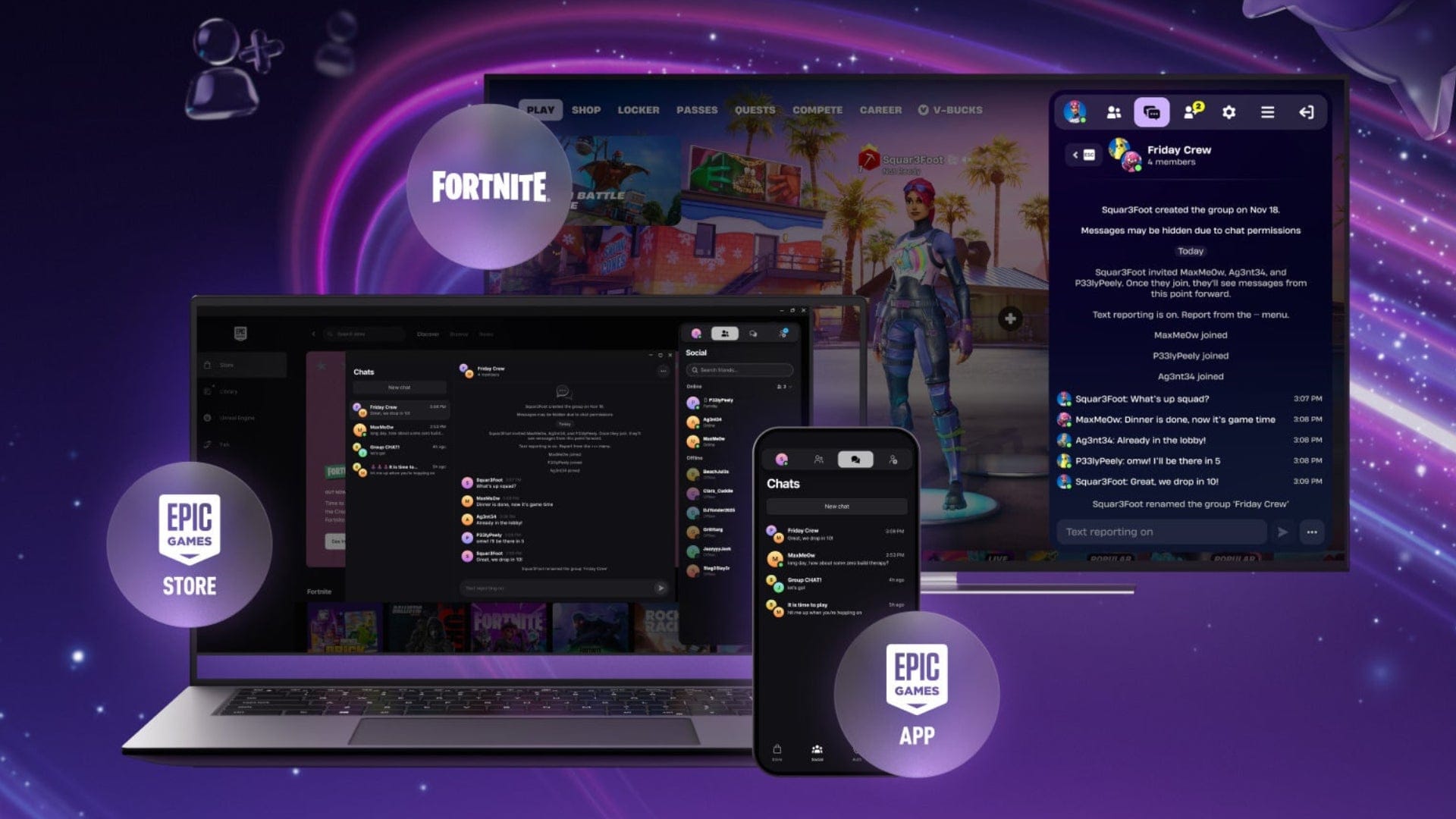
The world of game distribution just got a serious upgrade. Epic Games has unveiled a newly refreshed version of its Games Launcher, the essential platform that connects players to the Epic Games Store, their libraries, social features, and developer tools. But this isn’t just a visual refresh; the entire new experience was built using generative artificial intelligence, ushering in an era where code is coded by vibe.
Epic’s approach flips the script on traditional development. Instead of the slow, painstaking process of hand-coding, the company reportedly “vibe coded” the new launcher, resulting in a product that is significantly faster and more responsive than its predecessor. As Epic noted in a recent announcement, the hard truth of programming is finding a more efficient path, and in this case, AI proved to be the ultimate accelerator.
The strategy behind this shift is rooted in efficiency. Martin Keely, Vice President and General Manager of the Epic Games Store, explained that the use of AI was focused squarely on the architecture and code efficiency. This allowed a small team to rewrite the entire codebase rapidly, enabling them to launch the new launcher faster across multiple operating systems, including Windows and Mac, with plans for a future Linux version.
This focus on AI as a foundational tool reflects a broader push within the industry. Epic has been actively encouraging developers to leverage AI assistants, such as Anthropic’s Claude, to dramatically reduce the time spent on writing code. The goal is to move developers toward “maximum AI acceleration,” allowing them to focus their creative energy where it matters most: on game design and unique experiences, rather than tedious coding.
The implications stretch far beyond the launcher itself. Industry reports suggest that Epic is pushing developers to utilize these tools for massive projects, even encouraging them to work on ambitious content, like the upcoming Star Wars and Marvel crossover shooter, with minimal reliance on hand-written code.
It is important to note where the AI intervention was focused. While the launcher’s performance was optimized by AI, the creative side remained largely under human direction. Keely clarified that the AI’s role was centered on code efficiency and architecture, explicitly stating that the artwork and design style were managed by the dedicated Epic Games design group.
This distinction is telling, especially when compared to other AI applications in gaming. Epic has been quite open about integrating generative AI into the artistic process, famously using it to help create concept art and designs for Fortnite skins. The company is now extending this philosophy to its future projects, reportedly planning to use full AI workflows for all artistic assets in the Star Wars/Marvel endeavor.
Ultimately, Epic is redefining what a game platform can be. While the technology behind the launcher is fascinating, the underlying mission remains the same: to establish the Epic Games Store as the definitive destination for PC gamers, creating an ecosystem that is not just functional, but also the fastest and most innovative place to play and create.
Buy on Amazon
Credit
