AI Cannot Replace Human Creativity Take-Two and Sony Bosses
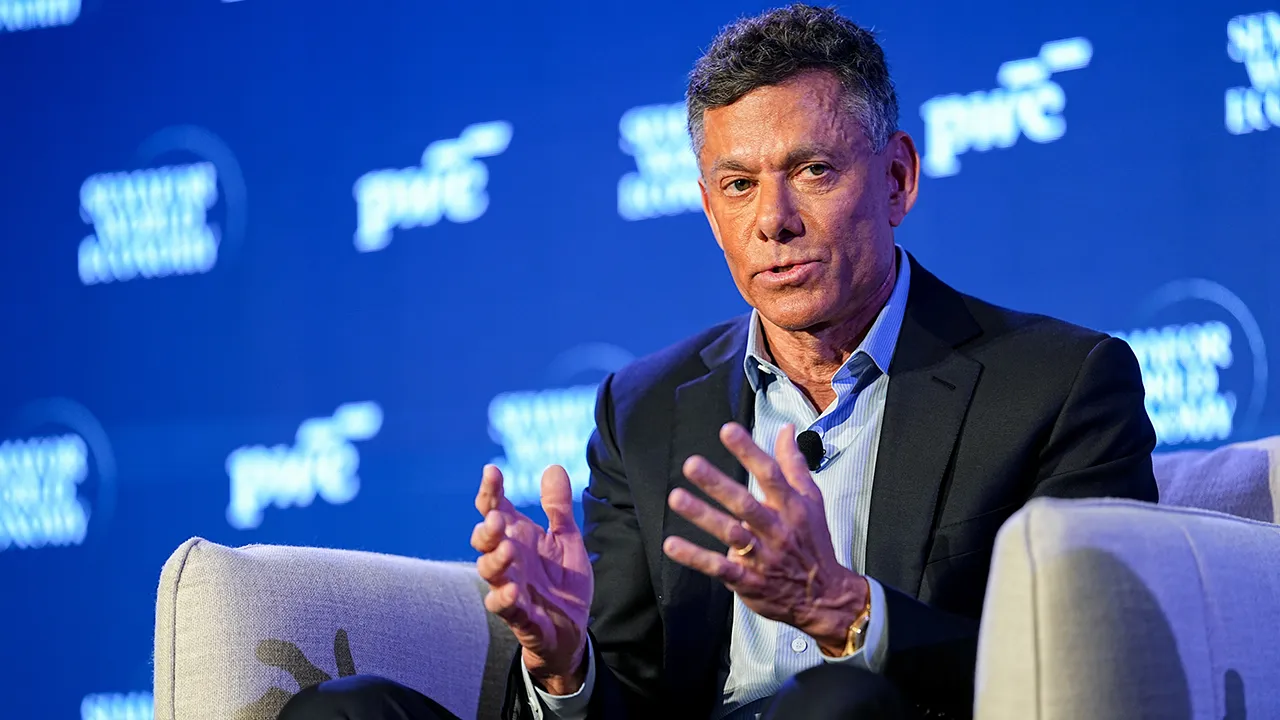
The future of entertainment is being shaped by artificial intelligence, but as studios and game developers grapple with this shift, the most compelling debate isn’t about replacement—it’s about partnership. At a recent summit, industry titans Strauss Zelnick, head of Take-Two Interactive, and Hiroki Totoki, head of Sony Group Corporation, offered a clear philosophical stance: AI is an incredible tool, but it cannot replace the essential spark of human creativity.
“I don’t think an AI could replace humans because, particularly in the entertainment field, I think creativity is quite important. Creativity is for humans, not AI,” Totoki explained. He stressed that while technology should be embraced, the foundational creative process must remain human-led, ensuring that the rights and rights holders of creators and artists are protected.
Zelnick offered a more pointed perspective, suggesting that the true danger isn’t the machine itself, but how it is wielded. “You’re not gonna be replaced by AI, but if you’re not careful you’ll be replaced by someone who knows how to use AI,” he noted. He further elaborated on the nature of the technology, describing AI as a collection of datasets and large language models. He pointed out a fundamental difference: datasets are backward-looking, whereas creativity is inherently forward-looking.
This distinction between data and imagination is crucial, especially in an industry built on surprise. Zelnick illustrated this point with an anecdote from his tenure at 20th Century Fox, recalling the unexpected success of Home Alone. He observed that when unexpected hits occur, reliance on mere data sets proves insufficient to achieve true success. “If hits are unexpected, data sets aren’t gonna get you there, no matter how fluent they are,” he remarked.
The push and pull between technological efficiency and artistic originality is currently driving intense discussions across the media landscape. While the industry acknowledges the immense potential of AI in streamlining production pipelines for games, movies, and television, there is a collective need to navigate the ethical and creative boundaries of its use. Major players are actively debating how to integrate these powerful tools without sacrificing the human element that makes entertainment compelling.
This tension is visible in the market itself. In the world of gaming, there is a clamor for control over content, with users demanding clarity on AI-generated content. Industry leaders like Epic Games have already experimented with AI-driven tools in building their platforms, while developers and consumers alike are pushing for boundaries that protect the authorship and integrity of creative work as the technology rapidly evolves.
Buy on Amazon
Credit