AI films from District 9 & GT directors break the internet
The Ghost in the Machine: Neill Blomkamp Pushes Boundaries with AI Cinema
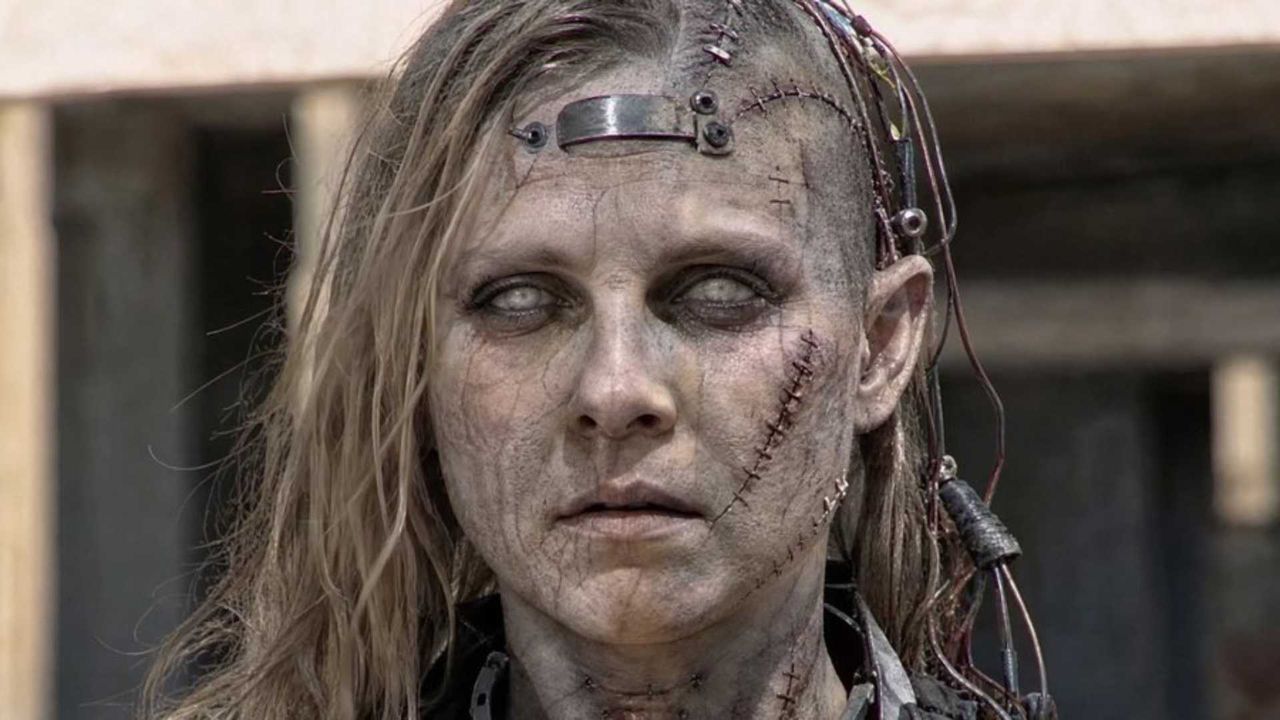
Sci-fi director Neill Blomkamp, known for pioneering works like District 9 and Gran Turismo, is navigating the rapidly evolving landscape of artificial intelligence by sharing a recent short film made entirely through machine learning. The 14-minute production, titled ‘Nightbourne‘, serves as a wild mash-up of military action and zombie thriller, blurring the lines between human narrative and algorithmic creation.
‘Nightbourne‘ plunges viewers into a world populated by 32 unique AI characters based on real actors. The story centers on a helicopter pilot who is shot down and killed in action, only to discover a chilling military secret: the army is actually cultivating zombies as a means to create super soldiers. While the concept is undeniably thrilling, the execution has sparked a fascinating debate about the limits of AI-generated storytelling.
Blomkamp utilized the advanced Seedance 2.0 software to bring this vision to life, but the reception among some viewers has been anything but uniform. As with many experimental works utilizing generative AI, inconsistencies emerged, with critics pointing out strange juxtapositions, duplicated AI actors, unsettling reactions, and even surreal elements like moving buildings in the background.
These visual and narrative quirks have led to spirited online discussions, with some viewers finding the results confusingly messy, leading to comments suggesting that the output sometimes felt less polished than the human-made content. It raises a critical question: can raw computational power truly deliver sophisticated artistic expression?
Despite these technical debates, Blomkamp appears intent on pushing the envelope further. He has announced ambitious plans for future work, including the creation of a fully AI feature-length film and the founding of Barley Studios, an entirely new studio dedicated solely to artificial intelligence.
Blomkamp’s foray into AI cinema is part of a growing trend that seeks to redefine what filmmaking means. It isn’t just Blomkamp exploring the potential of machine creativity; the wider industry is embracing it. Other major studios are also experimenting with AI generation, attempting to remake classics like The Odyssey, though they acknowledge that even the most advanced algorithms still struggle to match the epic scope of masters like Christopher Nolan.
The future of cinema is clearly being written not just by human hands, but increasingly by the algorithms we create. As AI tools become more sophisticated, the line between creative input and computational output continues to blur, promising a cinematic landscape that will be both astonishing and deeply, wonderfully strange.
Buy on Amazon
Credit