AI is rotting the game industry DayZ creator demands change
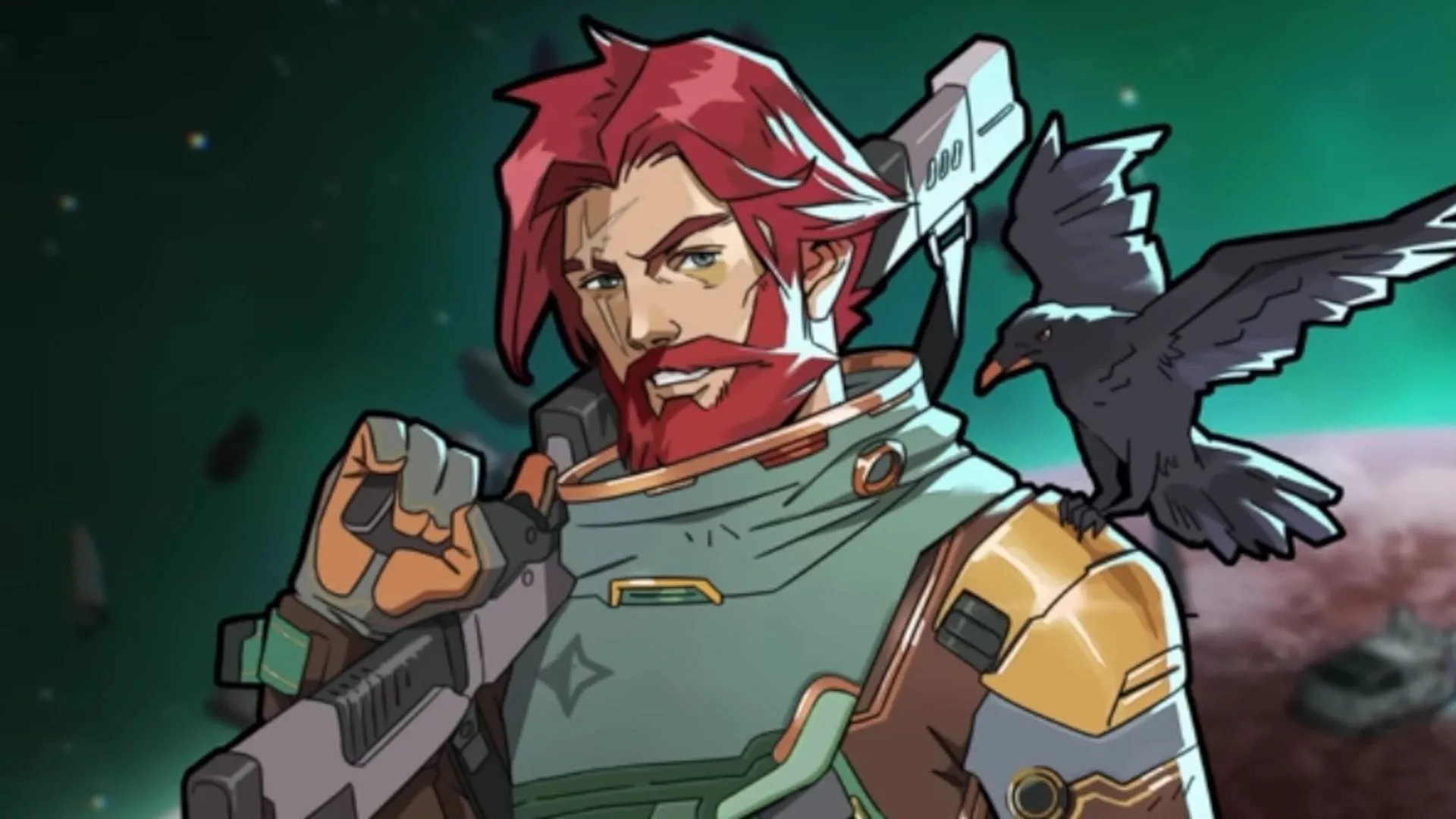
The game development world is facing a reckoning. According to some of its most established creators, the industry itself is rotting from its core, and the acceleration is fueled by forces like AI agent-led development, reverse-engineering, and recompilation. This shift isn’t just theoretical; it’s forcing developers to find new ways to build and own their creative spaces.
To fight back against the perceived control of mainstream engines like Unity and Unreal, a group of creators has stepped up with an open-source alternative. Dean Hall, a creator of DayZ, and his studio RocketWerkz developed a new game engine alternative designed to help developers break free from proprietary systems.
At the heart of this movement is a framework called Brutal. This is not a full-blown game engine, but rather a powerful collection of software and tools that can be used to create games or serve as a solid foundation for building custom engines. It offers developers a path to independence without the heavy licensing burdens.
The potential of Brutal was quickly put to the test. It served as the foundation for the upcoming game Kitten Space Agency by RocketWerkz. More impressively, it was used to overhaul the engine for the mega-hit colony simulator RimWorld. This project demonstrates the power of the framework, as Ludeon Studios transitioned their engine to the proprietary Waylith Engine, achieving performance gains of 2-4 times over the original.
This success story highlights a fundamental insight: established studios, armed with a specific set of problems, can take an open framework and build an engine tailored precisely to their needs, bypassing years of foundational development. It’s a powerful demonstration that community-driven tools can outpace corporate solutions.
The conversation extends beyond engine choice to the core relationship between developers and the platforms themselves. Hall and other critics argue that developers are not being held accountable by the major players. Concerns arise when companies introduce restrictive licensing, such as Unity’s notorious install fee, or when platforms like Epic Games chase fleeting trends—from the Metaverse to AI—rather than focusing on stable, performant tools for the community.
The push for open source is framed as a necessary act of self-determination. If the tools are public and the source code is accessible, developers gain the crucial option to fork the framework and build entirely their own systems. This approach gives creators the power to define their own future, rather than simply accepting the terms set by corporations.
Ultimately, the narrative is one of empowerment. By leveraging tools like Brutal, creators are shifting the balance of power. It is a small, yet potent, step toward ensuring that the future of game development is defined by freedom, accountability, and genuine innovation, driven by the community itself.
Buy on Amazon
Credit