AI made Minecraft playable on Twitter and sold crypto sponsorships
The line between creative freedom and intellectual property is being rapidly redrawn in the digital age, fueled by the explosive rise of AI. A new, chaotic frontier is unfolding where users are not just consuming content, but are recreating entire gaming universes through artificial intelligence, turning social media platforms into live, shared game worlds.
At the heart of this phenomenon is a viral AI-powered clone known as Tweetcraft. This project demonstrates that anyone with access to powerful AI models can now generate fully playable, browser-based video games, complete with real-time multiplayer functionality, simply by posting a link to X or Twitter. The concept is delightfully simple: every shared world is a link on the social network, and anyone who clicks it joins the same session.
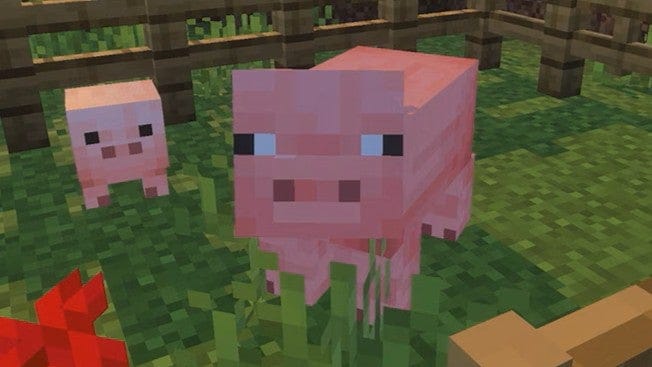
Tweetcraft is essentially a custom Minecraft clone that renders directly in the browser. The creator’s vision extends beyond mere gameplay; they are integrating a marketplace directly into the experience, allowing players to earn in-game sponsorships and cryptocurrency through sponsored locations or custom assets like the Block Dragon.
This innovation has caused an immediate legal stir. While the creator insists that Tweetcraft uses none of Mojang or Microsoft’s assets and is not affiliated with them, the unauthorized nature of the project inevitably draws the attention of major IP owners. The launch post for the game quickly amassed 7.4 million views, and the ensuing community excitement is matched only by the legal and creative tension it has generated.
This trend is part of a larger explosion of “game-merging” and AI-generated content. In October alone, the digital landscape saw the emergence of unauthorized browser versions of franchises like GTA 5 and the original version of Halo playable in a browser, alongside other viral AI-generated titles. These events underscore a stark reality: the rapid evolution of AI is compressing the time between game creation and unauthorized replication.
The rapid pace forces a critical question for the gaming industry: How sustainable is this free-for-all? As AI models grow exponentially more capable, the time it takes for someone to generate unauthorized versions of established intellectual properties outside official platforms is shrinking—potentially from weeks to mere minutes. This poses an existential challenge to established IP holders who rely on centralized control and licensing.
The future of gaming will depend on how quickly the industry can adapt. The challenge is no longer just developing new games, but establishing robust, scalable defenses against AI-generated clones. The focus must now shift to finding ways to protect ownership in an era where creation is democratized by machines, ensuring that innovation remains legal, and that creators are rewarded fairly.
Buy on Amazon
Credit
