AI pushes delay secret Star Wars Marvel shooter
The high-stakes world of AAA game development is undergoing a seismic shift, driven by the relentless advance of artificial intelligence. At the epicenter of this transformation, Epic Games is reportedly embracing an “AI first” production model, leading to significant changes in how major projects are conceived and built.
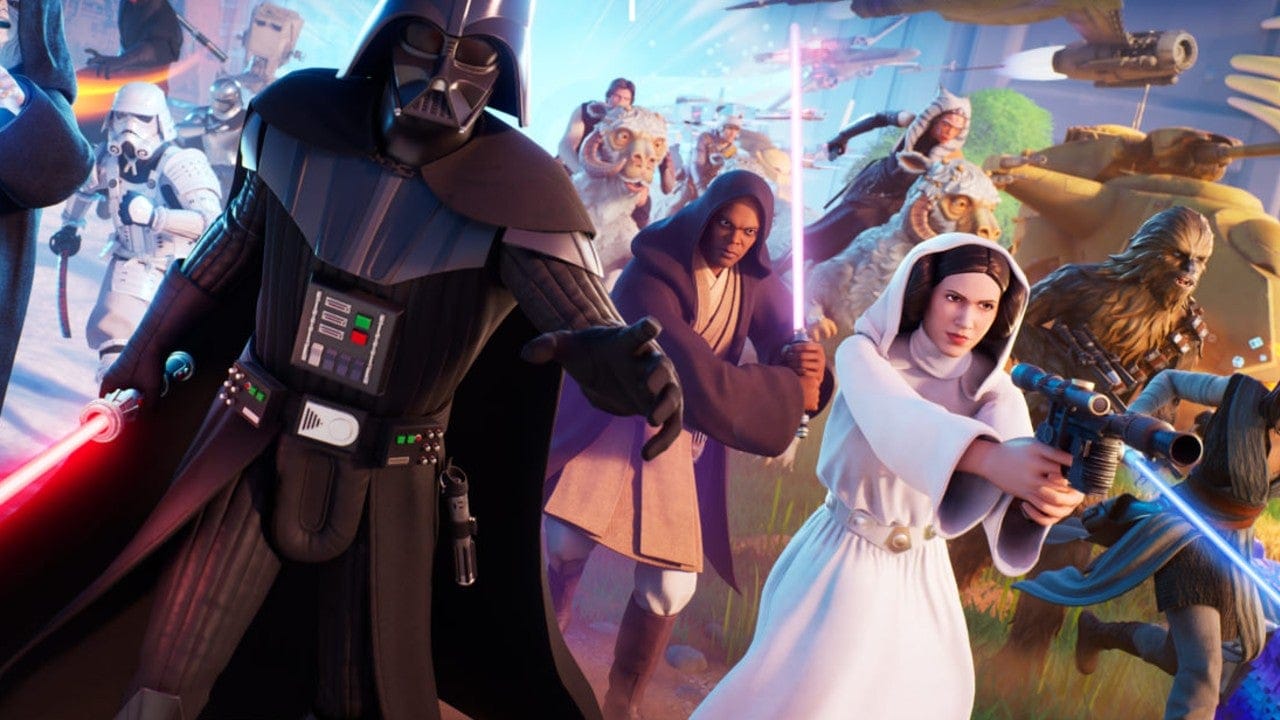
This strategic pivot is most visible in the development of highly anticipated titles, such as the rumored Star Wars and Marvel crossover shooter. Initially slated for release in March, the project has been pushed back to accommodate a new internal release plan focused on leveraging advanced AI tools.
The shift involves a fundamental change in workflow. Developers are reportedly being encouraged to utilize sophisticated AI assistants, such as Anthropic’s Claude, integrating these powerful tools into their creative process while maintaining human oversight. This signals a move away from traditional, labor-intensive methods.
The change is not just procedural; it reflects a broader philosophy. An internal message obtained by reporters revealed a radical commitment to this new approach: “No more hand-written code,” and a directive that all visual assets for the project would be “generated with full AI workflows.”
This change stems from an acknowledgment that Epic Games initially underestimated the time and resources required for such massive undertakings. Progress on the crossover shooter has reportedly been slower than anticipated, leading to the necessary adjustment in the schedule.
Studio founder and CEO Tim Sweeney has publicly championed this transformation, framing it as a necessary revolution. He stated that the studio is “embracing AI-accelerated development,” moving developers to “retool for maximum AI acceleration.” The goal, he explained, is not simply to do the same work with fewer people, but to enable teams to build MORE and BETTER content and code faster.
Sweeney emphasized that the ultimate aim is to survive the AI revolution by making development significantly more efficient. He noted that the biggest benefit will be the dramatic reduction in the time elapsed from having an initial idea to achieving playtesting, suggesting this acceleration could help mitigate the frequent failures often seen in lengthy development cycles.
Meanwhile, the relationship between Epic and major partners continues to evolve. Disney’s substantial investment in Epic Games, including a $1.5 billion stake in 2024, solidifies their collaborative vision for an expansive universe within the Fortnite platform. While the specifics of these collaborations remain unfolding, the integration of advanced technologies like AI ensures that future cross-platform experiences will be built with unprecedented speed and creative potential.
Buy on Amazon
Credit