AI-upscaled Shogun 2 remaster trashed in Steam reviews
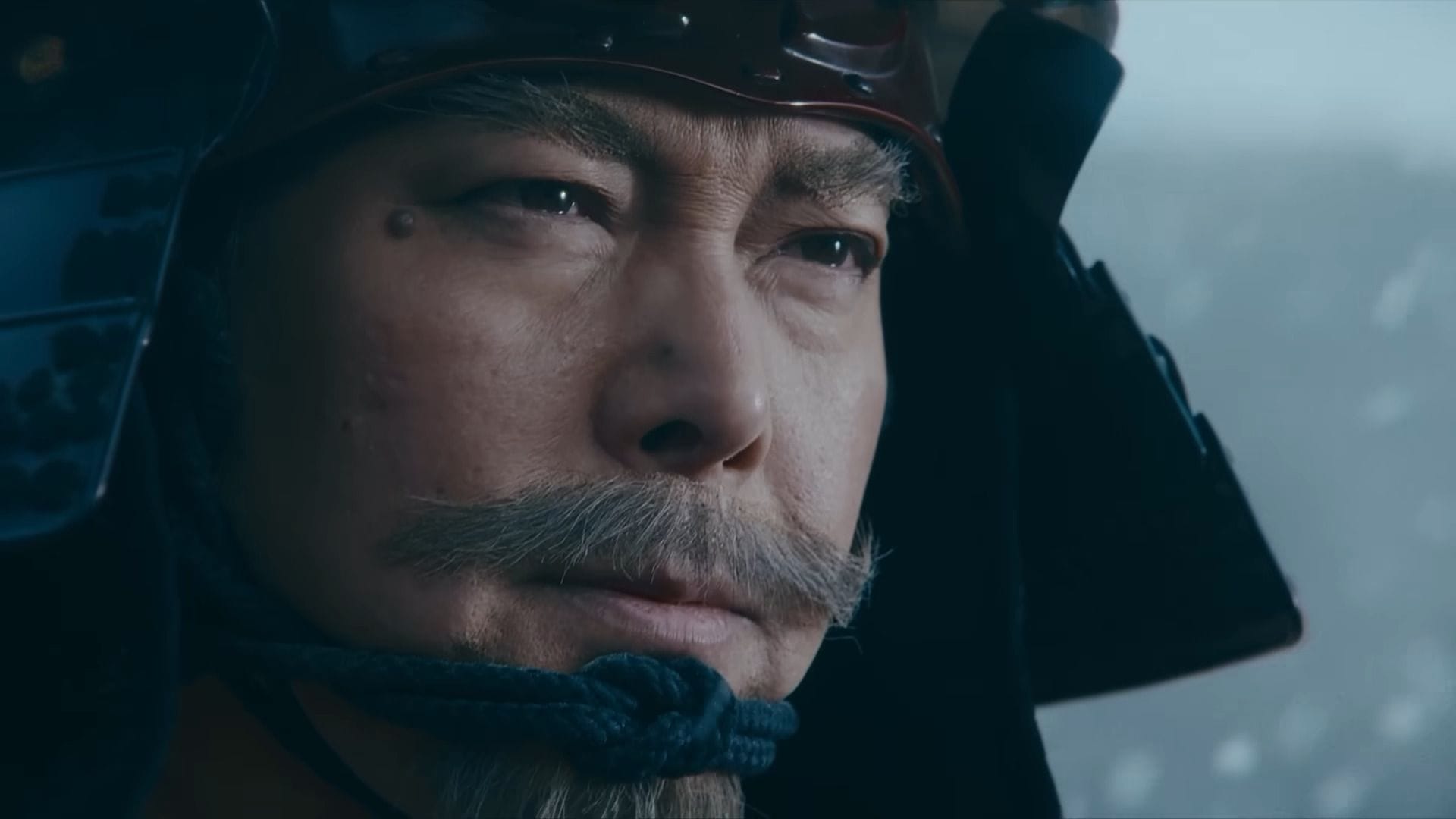
The Price of Progress: Why Total War: Shogun 2‘s Remaster is Causing a Digital Meltdown
When a classic title like Total War: Shogun 2 gets a modern treatment, players expect a smooth, polished experience. Yet, the launch of the Complete Edition has instead ignited a furious debate, turning what should be a celebration of gaming history into a firestorm of digital disappointment. Why is a game considered among the greatest Real-Time Strategy titles now drowning in overwhelmingly negative reviews?
The controversy centers on several significant issues. Beyond the general dissatisfaction, the developers’ decision to charge an extra ten dollars for the remaster, coupled with the subsequent delisting of the original game, has fueled accusations of greed. As one critic noted, this situation feels like a modern echo of old grievances, leaving players frustrated with the perceived value shift.
But the drama is not just about pricing; it’s about quality. Fans are gathering an extensive list of issues with the new version, citing long-standing bugs from the original game alongside entirely new glitches introduced in the remaster. The resulting experience is far from seamless, leading many to question the entire process.
Performance is another major sticking point. Reports suggest that the remastered edition runs worse than the original game, and even worse than other modern Total War titles. This performance degradation suggests that the pursuit of a ‘remaster’ may have compromised the core mechanics and stability of the game.
Perhaps the most striking complaints, however, involve the use of artificial intelligence in the remaster’s art style. Players have pointed out deeply unsettling visual errors, particularly concerning the unit cards. Artifacts like inexplicably corrupted facial features or bizarre, seemingly impossible anatomy—such as unit art displaying six-fingered hands—have emerged, leading many to question the quality of the AI upscaling used.
One particularly glaring example involves the unit art. A warrior on horseback, once a simple image, has been transformed in the remaster, resulting in grotesque alterations that betray the integrity of the original design. Critics argue that this artificial transformation is jarring and unacceptable for a game aiming to preserve historical fidelity.
For many, the solution seems clear: ignore the upgrade and stick to the original version. The situation has become a stark choice for players—whether to accept a highly flawed update or remain loyal to the game’s original form. This digital dilemma highlights the often-unseen tension between modernization and authenticity in the world of gaming.
Credit
