Amazon hardware push fuels cloud gaming race
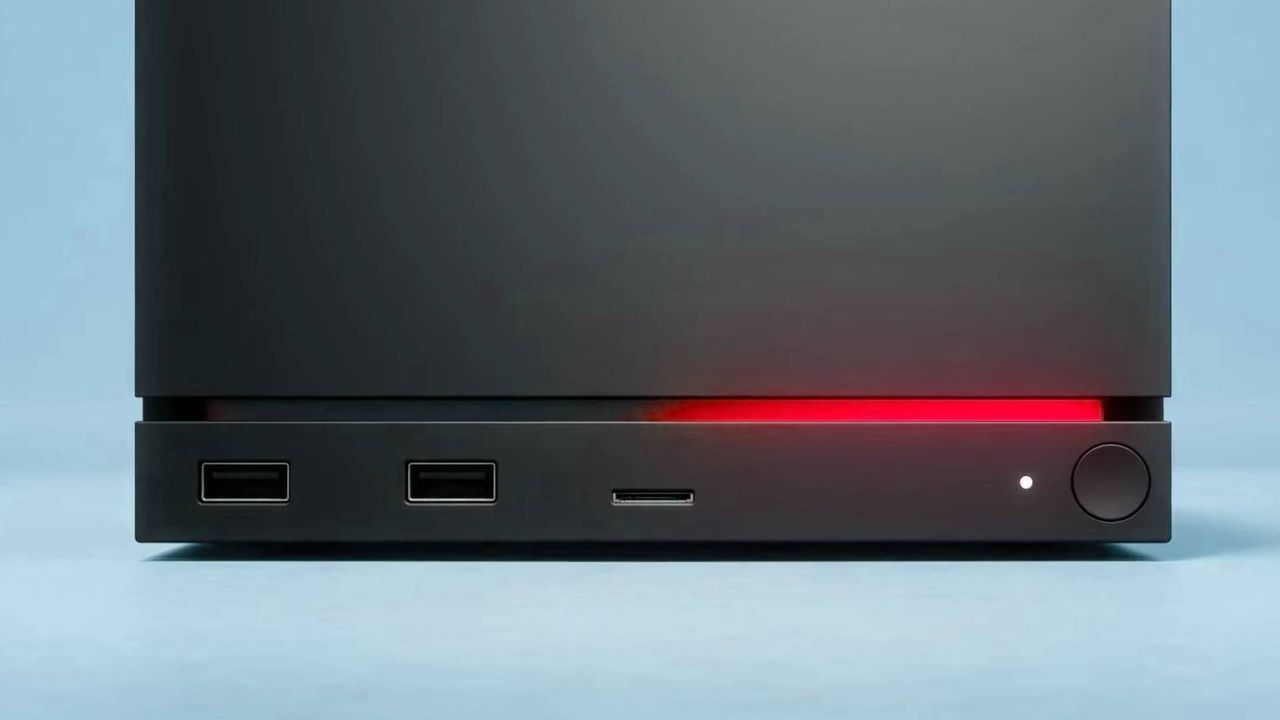
Jeffrey Gattis, general manager for games at Amazon, believes the future of gaming lies not in the price tag of dedicated hardware, but in the boundless possibilities of cloud gaming. As the cost of consoles and high-end PCs rockets toward eye-wateringly expensive levels, Gattis argues that services like Amazon’s Luna offer a crucial alternative for accessing the massive world of video games.
The current landscape is defined by escalating costs. Component supply chains, strained by the demand from AI data centers, have forced even major players to face steep price hikes. This economic reality means dedicated gaming hardware—from the Steam Machine to rumored new-generation consoles—is easily pushing past the $1,000 mark. This trend forces a critical pivot for the industry: rather than focusing on selling expensive boxes, companies must focus on expanding their reach.
Gattis sees cloud gaming as more than just a convenience; it is an economic necessity in this new market environment. He points out that while the physical devices are becoming prohibitive investments, the potential user base remains enormous. He estimates there are three billion people globally who play video games, yet only a fraction own the necessary dedicated hardware.
This discrepancy highlights the opportunity for cloud solutions. Instead of requiring consumers to commit to multi-thousand-dollar investments in memory and storage, cloud services allow players to access gaming instantly, appealing to those who want to play but cannot afford the initial barrier to entry. This shift redefines the goal of the industry from hardware sales to player acquisition.
“Our business is more about reaching more players and expanding the market, not trying to get people to give up their consoles or their gaming PC,” Gattis states. He suggests that as dedicated hardware prices climb, a significant segment of gamers will naturally gravitate toward accessible streaming solutions.
The value proposition lies in accessibility. For many potential gamers, diving into a game involves more than just the upfront cost; it includes time investment for downloads, setup, and mastering controls. Cloud gaming bypasses some of these initial hurdles, making entertainment instantly available wherever a device is connected.
Amazon introduced Luna back in 2020 as part of its larger strategy, integrating streaming services into the Amazon Prime ecosystem. While the initial player base was modest, Gattis remains optimistic about cloud gaming’s long-term trajectory, especially given the economic pressures driving hardware prices skyward.
Despite this focus on the future, the journey for Amazon Games itself has presented internal challenges. The company has faced scrutiny over its involvement in first-party game development and MMOs, with some major titles reportedly facing difficulties. This internal context adds another layer to the discussion about how large tech platforms navigate the complex and competitive world of interactive entertainment.
Ultimately, as gaming technology evolves, the focus shifts from owning the machine to experiencing the game. Cloud technology positions itself perfectly for this evolution, offering a scalable, cost-effective method to unlock the potential of a massive global gaming community.
Buy on Amazon
Credit