AMD Driver hints at GDDR7 VRAM and 2028 GPU delays
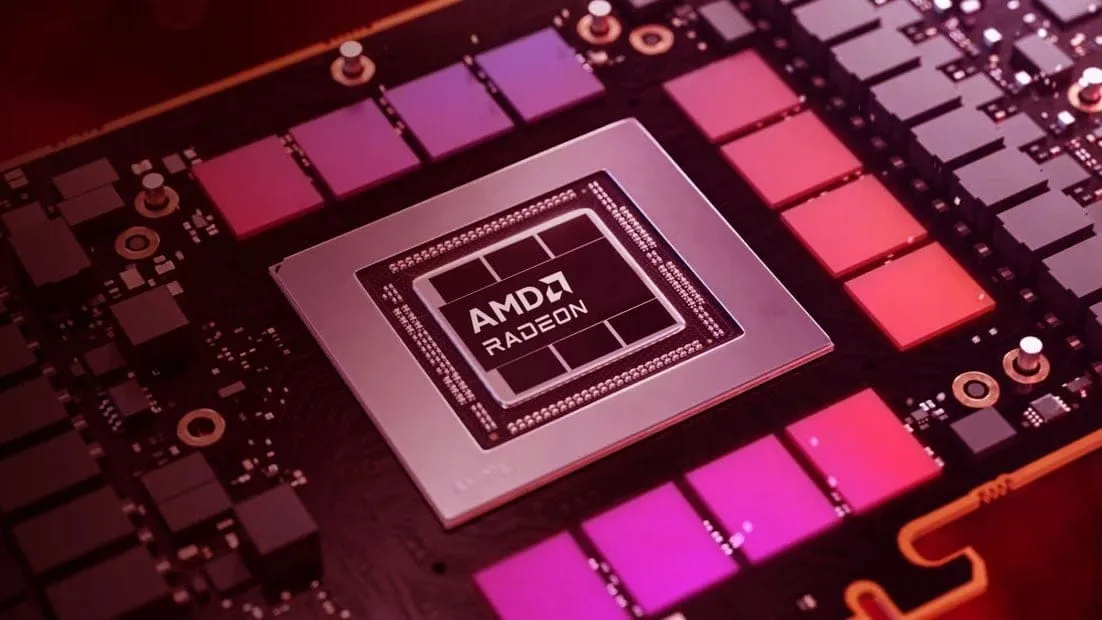
The world of high-end gaming is constantly pushing the boundaries of what graphics cards can achieve, particularly in the demanding realm of path tracing. Yet, despite this relentless pursuit of visual fidelity, the forecast for brand new GPU releases has taken a surprising pause.
This temporary lull isn’t about a lack of innovation; it’s about the complex, multi-year roadmap required to develop the next generation of silicon. Meanwhile, behind the scenes, the competition in the graphics hardware industry is engaged in a fascinating, subtle battle over memory technology—a battle fought not with flashy marketing, but with precise engineering decisions.
AMD has long adopted a strategy centered on efficiency and cost management. Instead of chasing the fastest, most expensive memory options like GDDR7 or GDDR6X that some rivals utilize, AMD has consistently stuck with the tried-and-tested GDDR6 video memory. This decision, combined with specialized internal systems like the InfinityCache and integrated L3 cache, allows AMD to keep its graphics cards more affordable to manufacture.
This cost-effective approach has been a hallmark of AMD’s design philosophy, prioritizing performance within a budget. However, the landscape is shifting. Industry whispers suggest that for future generations, the rules of memory might be rewritten.
The next major leap for AMD’s Team Red GPUs appears poised to incorporate GDDR7 VRAM. This development wasn’t revealed through a single press release, but rather through subtle technical hints buried in the operating system itself. Phoronix, a long-respected voice in the hardware community, was among the first to spot the coming change in the Linux GPU driver updates.
A specific update to the GPU driver included a commit titled “drm/amdgpu: add GDDR7 vram name,” signaling a broader migration of the standards. This change introduced GDDR7 into the array of supported memory types, linking it to existing standards such as LPDDR4, LPDDR5, HBM3E, and HBM4.
This technical evolution suggests a clear path forward: pushing the boundaries of memory bandwidth without necessarily abandoning the principle of hardware efficiency. As the industry moves toward faster, more demanding rendering techniques, the underlying memory architecture is evolving to keep pace.
It’s a reminder that the most significant advancements in technology often happen quietly, in the layers of code and hardware specifications, setting the stage for the next exciting era of graphics performance.
Buy on Amazon
Credit