AMD RX 9070 GRE fails expectations for $549
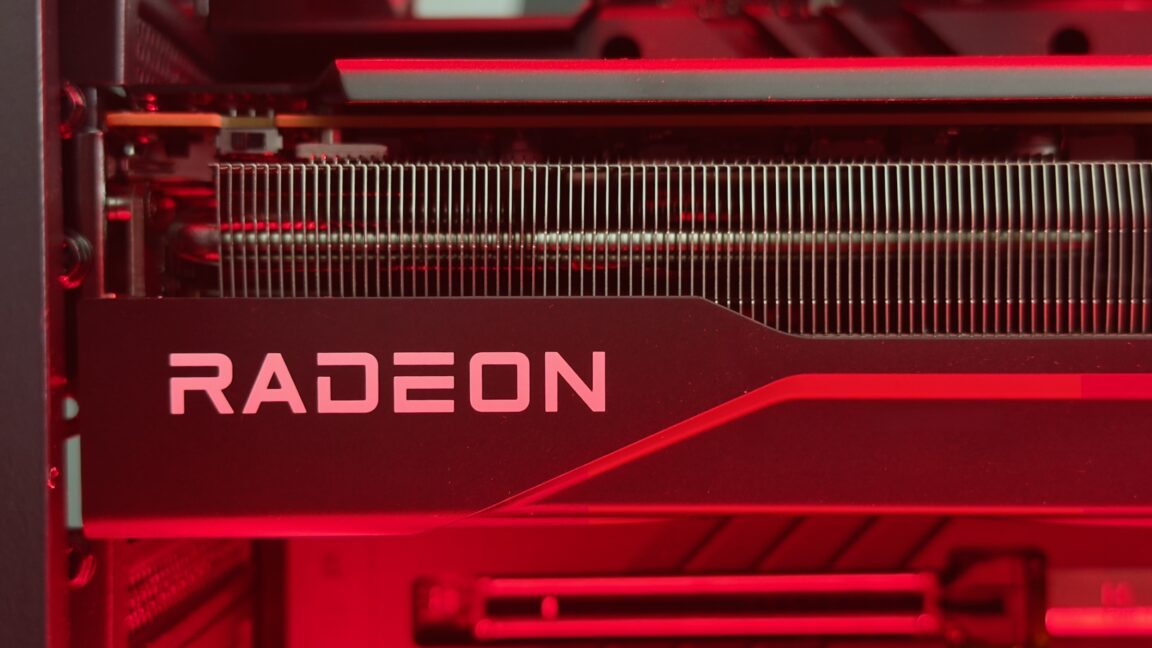
The creeping feeling that your money simply isn’t stretching as far as it used to do is a remarkably universal experience, whether you are grocery shopping or building a high-end computer. We often talk about inflation and price hikes in abstract terms, but sometimes the reality surfaces in the most tangible ways—like watching the size of something you buy slowly diminish.
This subtle phenomenon, known as shrinkflation, is meant to be discreet, a silent assault on consumer purchasing power. Yet, observing it in everyday life gives you a stark realization: less product for the same price.
The economic squeeze became particularly noticeable when looking at the technology sector. A little over a year ago, AMD introduced the Radeon RX 9070, priced at $549. As the market continued to navigate the turbulent waters of price hikes—driven by factors like AI demand and persistent RAM shortages—expectations for pricing were already strained.
This trend continued into the present moment with a similar product launch. This month, AMD released the Radeon RX 9070 GRE, also listed at $549. On the surface, the price remains identical, but a closer look reveals a significant reduction in actual performance.
The trade-off is stark: the new GRE card features less of everything. It boasts only 85 percent of the GPU cores, 75 percent of the memory, and 66 percent of the memory bandwidth compared to its standard counterpart, the RX 9070.
While the surface price holds steady, the performance downgrade is tangible evidence that consumers are receiving markedly inferior value for their money. This pattern serves as a potent example of how shrinkflation is no longer confined to food items; it is now deeply embedded in the high-tech market.
The increasing cost of building and acquiring PC components has made this phenomenon painfully clear. As demand continues to push prices upward, discerning shoppers are left weighing the official retail price against the actual specifications received, forcing a closer examination of what we are paying for in the rapidly evolving world of computing.
Buy on Amazon
Credit