Apple’s new iPhone controllers need my iPod feature
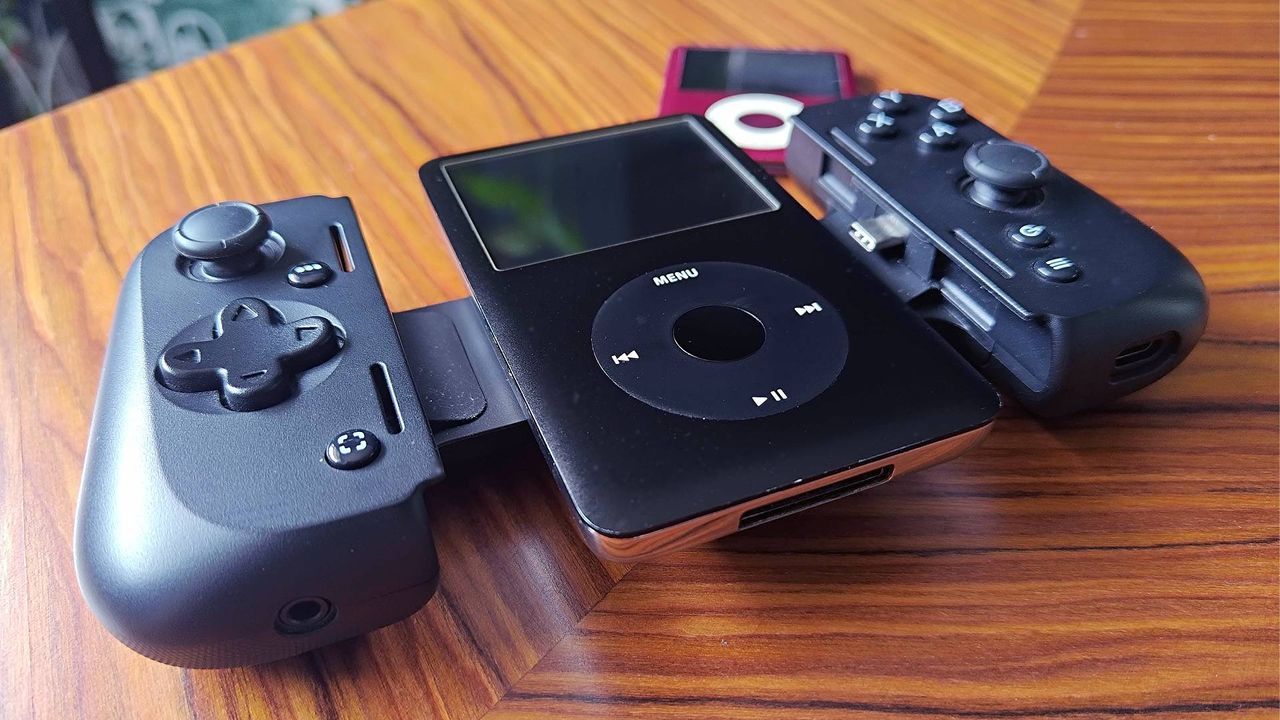
When we look at the landscape of mobile gaming, the desire for physical controls is always simmering. After ushering in the era of full touchscreens, the question lingers: is it time for gaming hardware to return to the tactile realm? Rumors are swirling that Apple is finally looking to bridge that gap, exploring the development of custom gaming controllers for its devices.
Early whispers from tech circles suggested that these potential gamepads might already be in the works, surfacing in the code of recent macOS updates. These prototypes, tentatively named T6502 and T1057, already hint at a familiar layout, incorporating essential features like a D-pad, dual thumbsticks, shoulder buttons, and analog triggers. Some versions are even rumored to include advanced sensors like accelerometers and gyroscopes, suggesting a “Pro” level of motion control.
The speculation soon moved from mere design to potential integration. Tech reporters have corroborated these ideas, suggesting that these new controllers might be designed specifically for the iPhone experience, possibly launching under the Beats brand and engineered by executives themselves. This moves the discussion beyond simple accessories and into a deeper integration of gaming functionality directly into Apple’s ecosystem.
This shift raises the long-standing fantasy of resurrecting the click wheel. For those who remember the iPod, the click wheel was more than just a scroll mechanism; it was an intuitive fusion of rotational, capacitive gestures and physical buttons that provided a unique way to navigate menus and playlists. While it may seem nostalgic, the idea of bringing back such a physical interface could offer a refreshing dimension to the mobile gaming battlefield.
Currently, the mobile controller market is already vibrant, offering numerous solutions for gamers. Options range from dedicated devices like the GameSir X5 Lite, which offers hall-effect sticks, to premium accessories such as the Razer Kishi V3 with TMR thumbsticks. Even portable solutions like the Backbone One and foldable options like the Razer Prio cater to different needs, proving that the demand for physical input is strong.
But for Apple to make a significant splash, bringing back a feature as unique as the click wheel would require a bold move. However, if Apple is genuinely entering the gaming hardware space, the focus might shift to more sophisticated inputs. The inclusion of advanced sensors like gyroscopes and accelerometers would not only enhance mobile gameplay but could signal Apple’s deeper commitment to expanding its hardware reach into PC and console gaming territories.
Ultimately, whether Apple revives the classic click wheel remains to be seen. Yet, the fact that the company is actively exploring physical controllers and advanced motion control suggests a future where the lines between mobile, console, and PC hardware blur, offering players a more immersive and intuitive way to play.
Buy on Amazon
Credit