Arc Raiders adaptations tell diverse stories
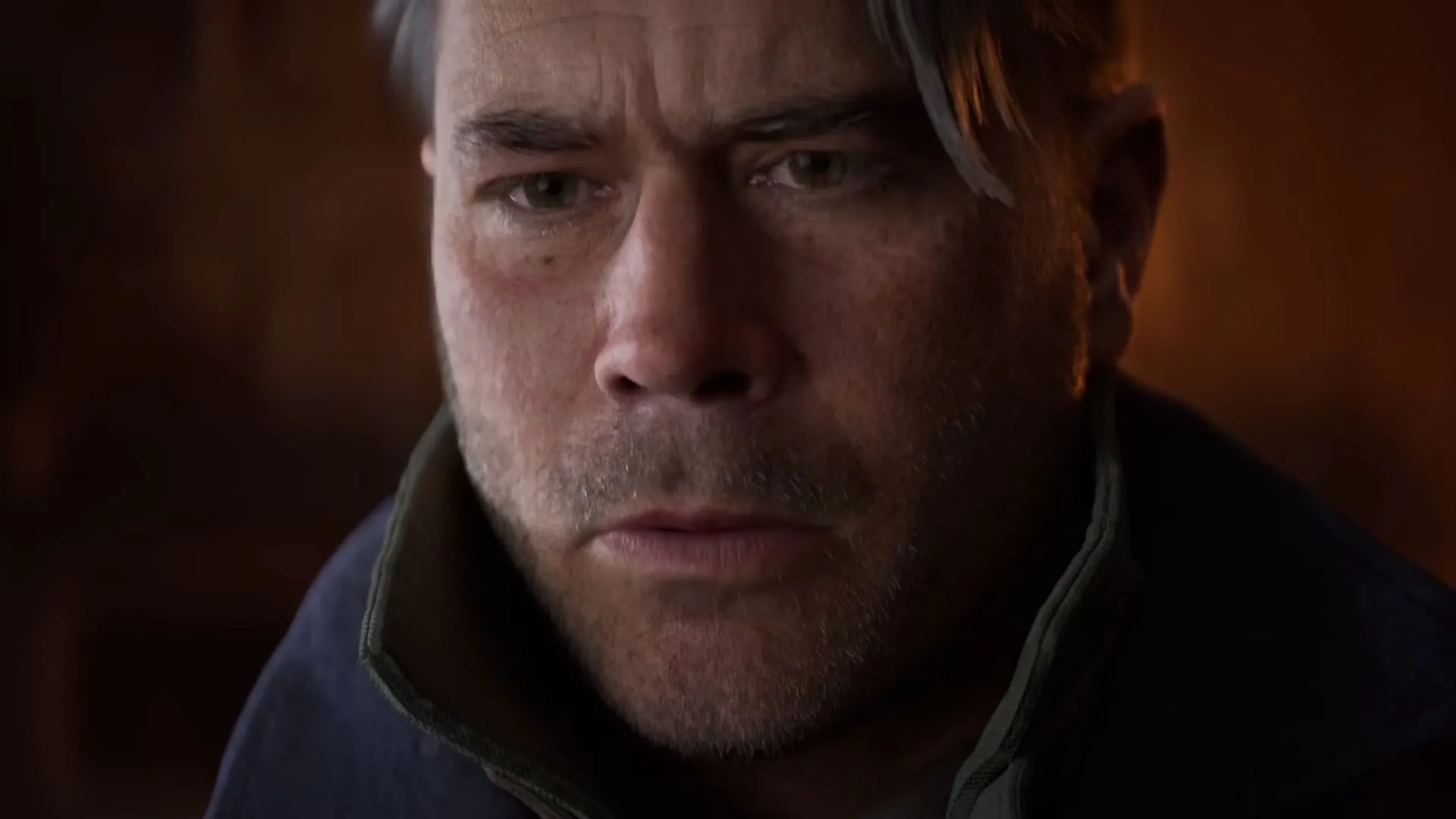
The world of immersive gaming is buzzing with anticipation, especially when it comes to bringing massive IP to the big screen. With the development of adaptations for <Arc Raiders> and its predecessor, <The Finals>, the focus is shifting from pure gameplay to the cinematic potential of these unique, sprawling worlds.
Executive producer Aleksander Grøndal of the <Arc Raiders> studio, Embark, shared his vision for these upcoming adaptations, highlighting a desire to move beyond simple action sequences and delve into a more character-driven narrative. While the games themselves allow players to craft their own stories, the challenge for a television or film series is to give viewers anchors that carry that rich, interactive world from one screen to the next.
The core appeal of <Arc Raiders> lies in its expansive, semi-open world where players interact with the environment and fight for resources. Yet, the setting itself—a retrofuturist landscape defined by the struggle to survive against an overwhelming machine threat—is fertile ground for deep storytelling. Fans of classic science fiction, particularly those who enjoy the atmosphere of series like <Fallout>, will find a strong kinship with the lore and the looming mystery surrounding the origin of the titular Arc.
This sense of vast, open-ended possibility is exactly what creators are eager to explore. As Grøndal noted, the game offers a universe ripe for different kinds of narratives. The goal now is to translate that fertile ground into compelling, tangible characters that make the story leap off the screen.
To achieve this, the team has partnered with Chernin Entertainment, a group believed to possess the necessary expertise to capture the essence of the Embark IP. This collaboration ensures that while external creative talent handles the production, the core vision and identity of the brand remain firmly rooted in the hands of the original creators.
The vision is clear: to take a world defined by player choice and dynamic action and shape it into a story defined by human drama. It is an exciting prospect to see how the creative team can navigate the transition, ensuring that the adaptations don’t just show the action, but truly explore the humanity facing off against the machine.
Buy on Amazon
Credit