Argument over FF7 Remake: Seeing the true visual value
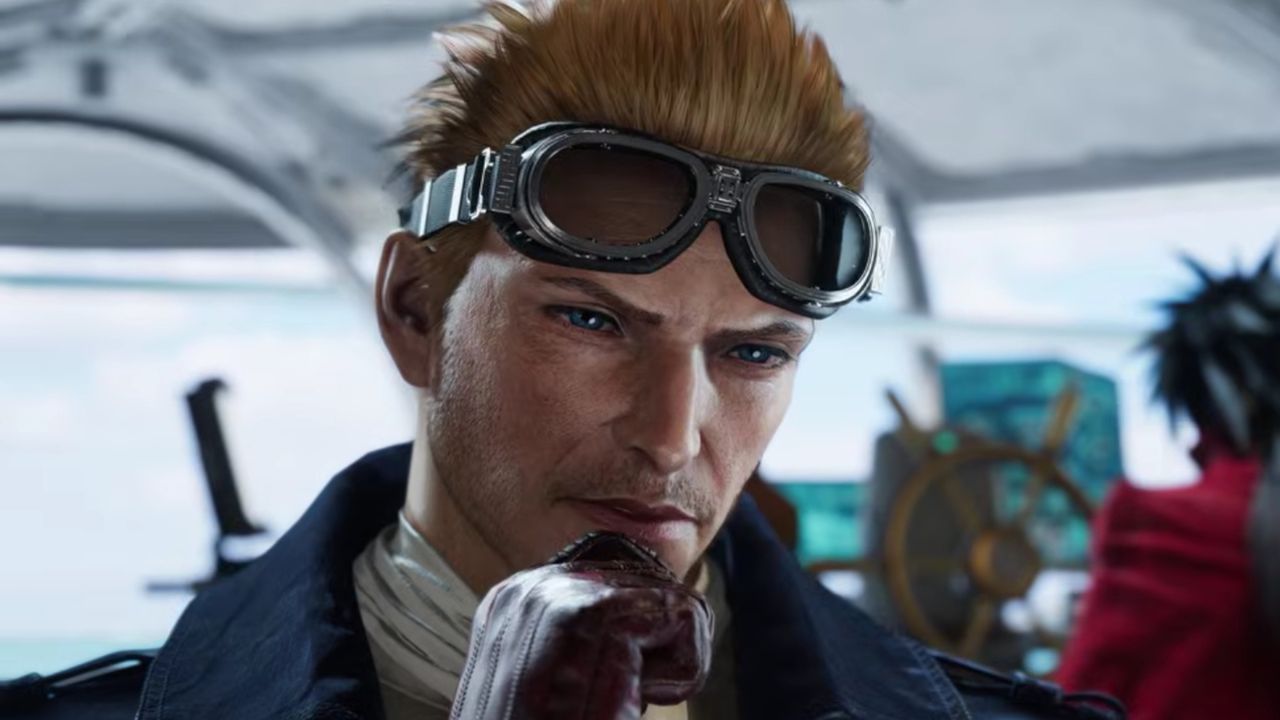
The remake trilogy of Final Fantasy 7 is more than just a collection of video games; it’s ignited a passionate, ongoing cultural conversation. Following the original game’s status as one of gaming’s most beloved titles, Square Enix’s approach to remaking this legendary epic has elicited intense scrutiny and spirited debate among fans.
Three distinct games have emerged from the original, each pushing the boundaries of the story, combat, world, and minigames with liberal changes and expansions. While these differences have fueled years of online squabbling, one voice cutting through the noise is Naoki Hamaguchi, the director behind Final Fantasy 7 Rebirth and Revelation.
Hamaguchi views this heated discourse not as a nuisance, but as a blessing. He believes that for a medium to truly shape into a culture, people must discuss it from many different perspectives. If everyone held the exact same view, he argues, the experience might fade into obscurity. The active community discussions, the debates over character relationships and gameplay mechanics, are proof of genuine passion.
“Games are a medium, a community, and a culture,” Hamaguchi explains. “I believe it only truly shapes into a culture when people discuss it from many different perspectives.” He finds the intense focus on elements like minigames and character dynamics to be compelling evidence that the series possesses enough depth to inspire such robust discussion.
This philosophy extends across the trilogy, acknowledging that the gameplay structure evolved significantly. The first entry in the remake series offered a more linear experience, while Final Fantasy 7 Rebirth delivered a massive open world adventure. Hamaguchi notes that this evolution suggests player fatigue with traditional side quests, leading to a desire for a streamlined experience moving forward.
The shift in focus has led to anticipation for the next installment, Final Fantasy 7 Revelation. Hamaguchi suggests that this new game might feature a more streamlined structure, catering to players who have explored the expansive world of Rebirth and are looking for a focused narrative experience.
Despite the fervent discussion surrounding these masterpieces, questions about physical media remain. Hamaguchi expressed a desire for some form of physical edition for the RPG, though he acknowledged that this is challenging in an industry increasingly moving toward digital distribution. The ongoing dialogue ensures that the legacy of Final Fantasy 7 continues to evolve, proving that passion truly drives the future of gaming culture.
Buy on Amazon
Credit