Art legend calls out AI billionaires Musk disagrees
In the high-stakes arena of game development, a clash is brewing between the cherished art of creation and the relentless drive toward artificial intelligence. At the heart of this friction is veteran game artist Kenney Vleugels, known widely as Asset Jesus, who recently took to social media to challenge the narrative being pushed by tech billionaires and their AI-focused companies.
Vleugels made his stand on October 18th by posting a message challenging the idea that ‘slop’ should be the future of game design. He argued that those focused solely on managing and directing tools, rather than making things themselves, fundamentally misunderstand the value of creative craft. He urged others to prioritize making personal, beautiful games, asserting that developers should follow their own paths rather than being forced into an ‘adapt or die’ mentality dictated by AI tools.
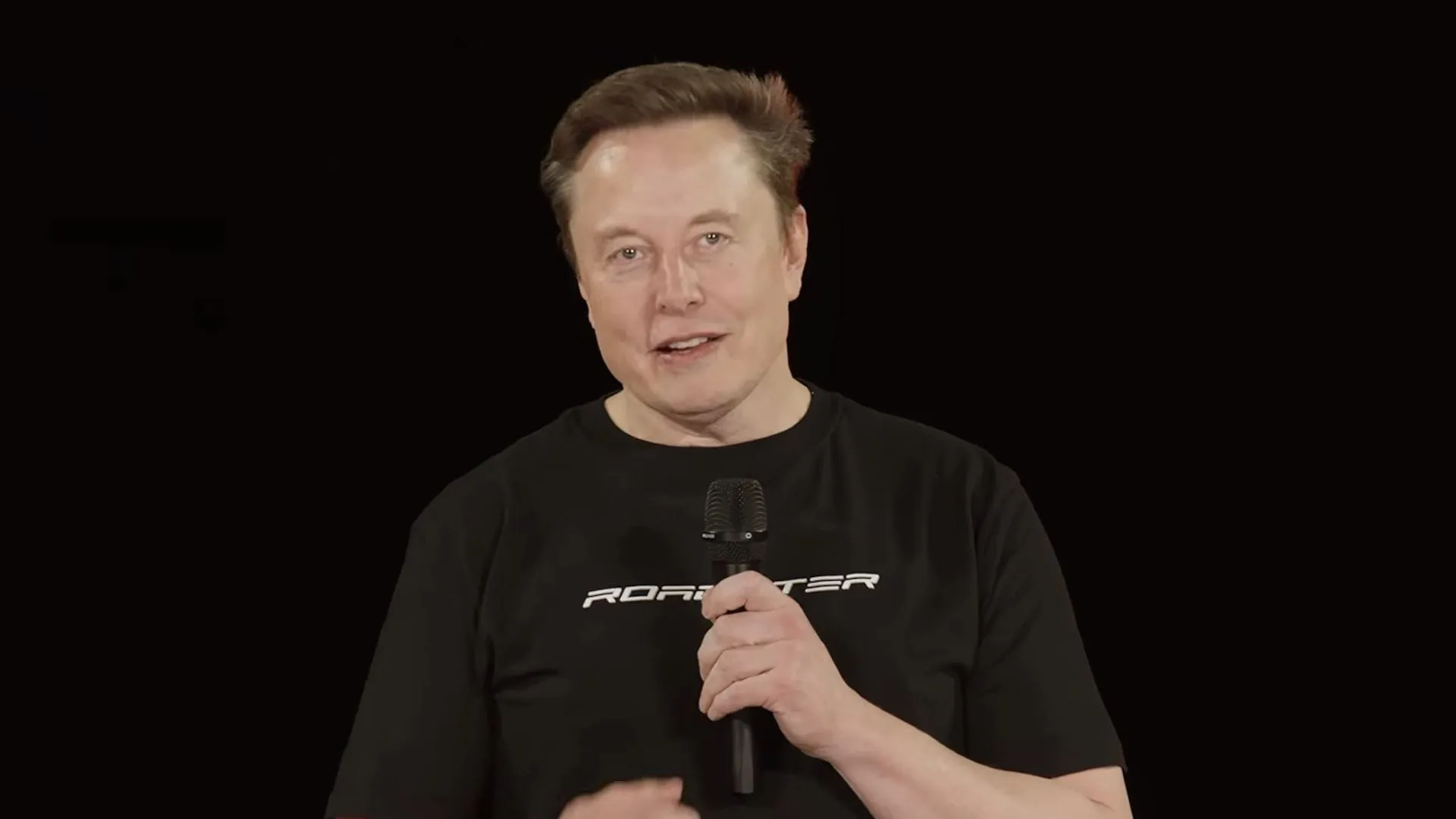
This post immediately ignited a reaction from the AI-first elite. Tim Sweeney of Epic Games and Elon Musk of SpaceX and xAI quickly responded, framing the debate not as a matter of artistic integrity, but as a matter of technological velocity. Sweeney countered, asserting that his own journey—from C to C++, 2D to 3D, and closed source to open source—gave him the right to raise expectations for AI. Musk echoed this sentiment, stating that the speed of development is the deciding factor, suggesting that it is becoming a race between cars and rockets, and the risk of leaving creators behind is real.
The exchange quickly escalated into a philosophical battle: is AI a revolutionary assistant, or an existential threat to the creative process? Vleugels sought to emphasize that the focus should remain on the intrinsic value of the work, cautioning that the pursuit of these new technologies should not overshadow the human element.
This controversy reflects a broader tension within the industry. While some companies like Sony and Ubisoft are enthusiastically embracing generative AI for synthetic assets and engaging gameplay, many developers are wary. They point to valid concerns regarding legal risks, copyright, and the fundamental desire of players and artists to maintain ownership over their creative output.
For many creators, the hesitation stems from a deeper concern: do they want to outsource their critical and creative thinking? There is a clear divide between those who see AI as an exciting tool for acceleration and those who prioritize the integrity of the creative journey. This is why some studios, like Palworld, deliberately avoid generative AI, citing the strong sentiment that gamers don’t want it and that artists prefer to do the work themselves.
Even the biggest industry powerhouses are navigating this landscape cautiously. Nintendo, for instance, maintains a neutral stance, acknowledging that if developers choose to use AI, it is not the only method of development. Similarly, Konami president Hideki Hayakawa suggested that the most important factor in game development remains the people and creators themselves.
Ultimately, the conversation surrounding generative AI in gaming is less about the technology itself and more about governance. The core dilemma remains whether AI can be effectively integrated without sacrificing the unique quality and ethical foundation of the creative endeavor. For now, the artists and developers continue to weigh the promise of rapid innovation against the irreplaceable value of the human craft.
Credit