Art Style Clash Palworld vs Pokémon: Does Panthalus Copy Kyogre
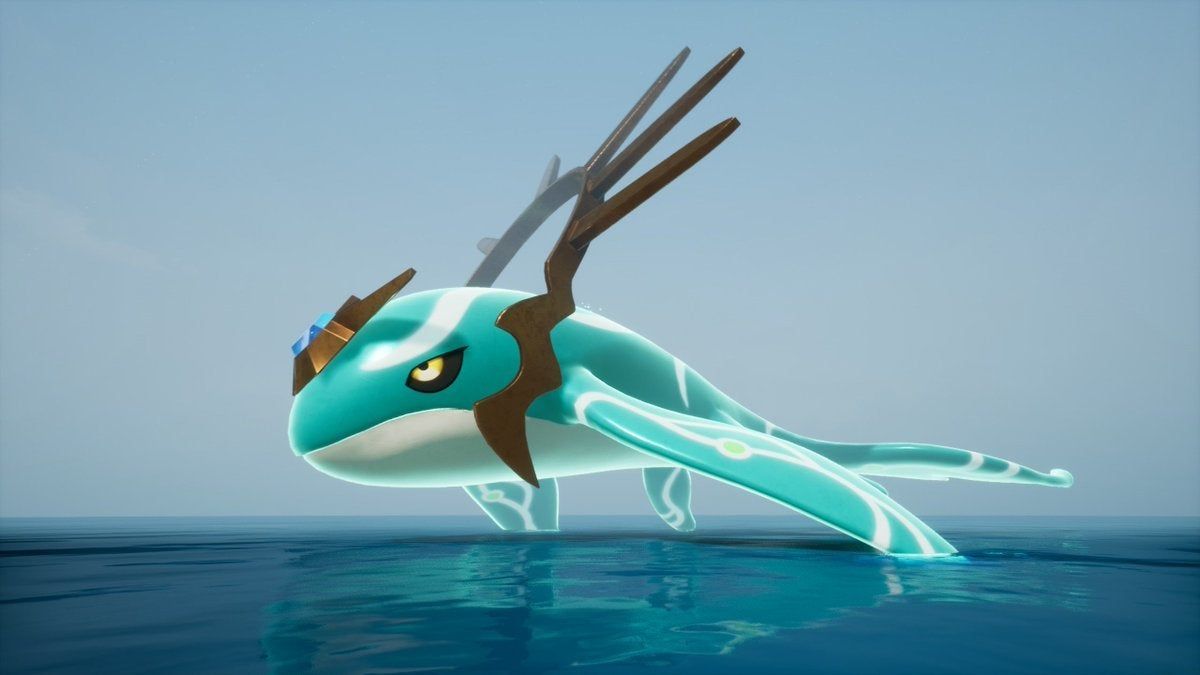
Whale Wars: When Palworld’s Panthalus Sparks a Legendary Debate with Kyogre
The digital world of gaming is often fertile ground for intense debates, but sometimes the arguments are sparked by something surprisingly whimsical—like the designs of mythical creatures. In the world of Palworld, a massive controversy has brewed over creature design inspiration, particularly when a new legendary whale, Panthalus, enters the conversation with the iconic Pokémon legend, Kyogre.
Panthalus, the colossal blue-green whale of Palworld, features striking tribal markings and distinctive fins. This aesthetic immediately drew comparisons to Kyogre, the legendary blue whale from the Pokémon universe. While both creatures share a similar silhouette and mythical status, the fan community has quickly thrown down some fascinating lines of argument: Is this just shared biological inspiration, or is it a blatant design echo?
Some viewers have pointed out that the similarities are undeniable, suggesting that creators often draw from established archetypes when designing legendary beasts. This perspective suggests that seeing Panthalus next to Kyogre makes the resemblance inevitable, much like two artists working in the same style will inevitably produce similar works.
However, others argue for visual distinction. They contend that while the concept of a mythical whale might be universal, the specific artistic execution and details allow for clear separation between the two figures. For these critics, the common thread is simply that both are whales, not direct copies.
The debate touches upon a larger point in game design: the role of borrowing from established intellectual properties. When games like Palworld rely heavily on designs reminiscent of Pokémon, fans frequently scrutinize the originality of their creations. This has fed into an ongoing discussion about whether inspiration is creative homage or unoriginal appropriation within the gaming sphere.
The relevance of this discussion deepens when considering the broader context of IP battles in the industry. The relationship between Palworld’s developer and The Pokémon Company involves complex legal matters concerning patents, which have prompted creative shifts within the game world to navigate those claims. This dynamic adds another layer of intrigue to how creatures are conceived and branded across different media.
As Palworld achieved success, including its 1.0 update, it demonstrated a massive reach, drawing in more than 40 million players. Amidst this growth, the focus on creature design—whether inspired by existing mythology or original concepts—remains a fascinating lens through which to view the evolution of game aesthetics.
Ultimately, whether Panthalus is seen as a homage, an echo, or a fresh vision remains up for discussion among the community. It serves as a perfect example of how a single creature design can ignite a lively debate about creativity, ownership, and the universal language of myth in modern gaming.
Buy on Amazon
Credit