Avatar Legends Fighting Game Action Review
Avatar Legends: A Masterclass in Motion, Missing the Polish
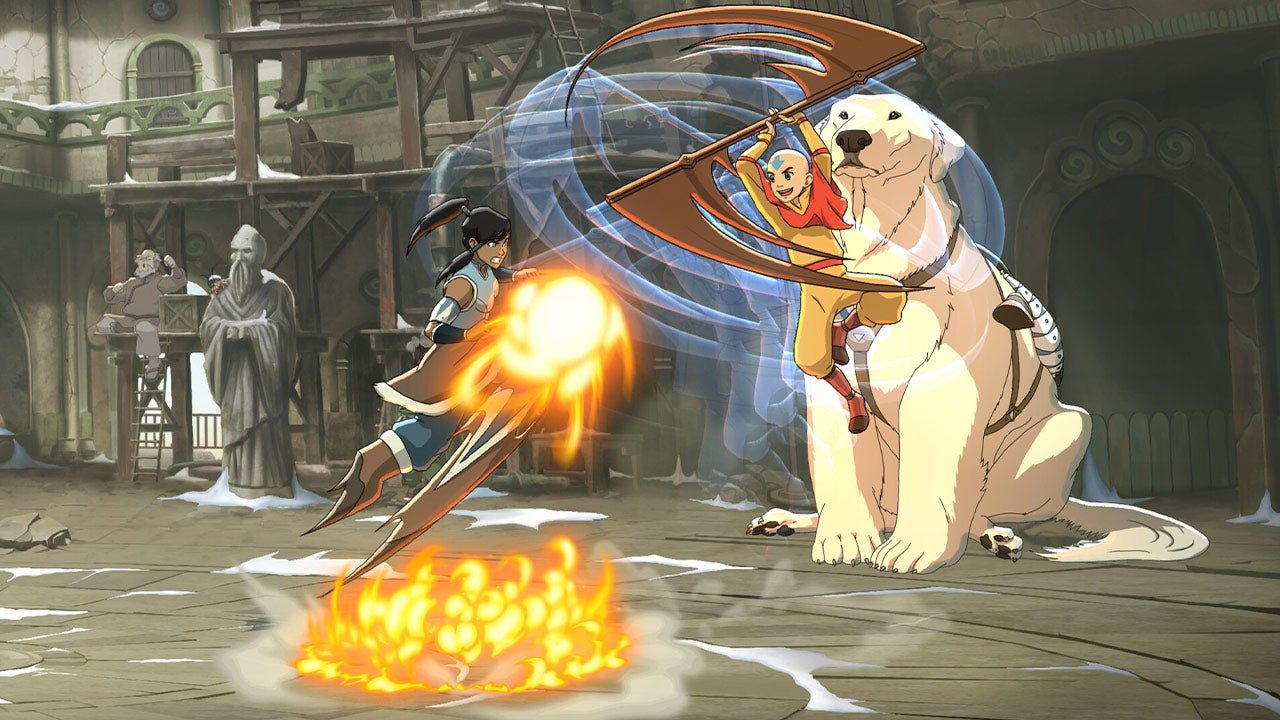
There are fighting games, and then there is Avatar Legends. For those who crave blistering speed, intricate movement, and razor-sharp combos, this title delivers an experience that is genuinely exhilarating. It stands as one of the most fun 1-on-1 fighters I have encountered recently, boasting incredible animations and a dynamic roster full of unique playstyles. Yet, despite its stellar core gameplay, the overall package feels like a brilliant engine still waiting for a comprehensive polish.
The heart of Avatar Legends lies in its mobility-driven combat. It’s a fast-paced battle where creative combo expression and execution are paramount. The system is built around three standard attacks (light, medium, heavy), but the real magic comes from the “Flow” button—a mechanic that unlocks characters’ wildly unique movement options. This allows fighters like Aang to execute gravity-defying hops and glides, while others manipulate the very earth or air around them, turning simple attacks into elaborate aerial acrobacies.
Each character genuinely breaks the rules of this system. Whether it is Azula’s precise, frame-perfect special move extensions that demand absolute accuracy, or Toph’s ability to shift the ground to pull opponents in, the roster provides distinct fighting philosophies. This depth makes learning the game challenging, but the payoff—mastering these unique kinetic abilities—is extraordinary and deeply satisfying.
The system further rewards intelligent decision-making through resource management. Instead of simple health bars, Avatar Legends utilizes a segmented energy meter for special moves, where critical hits reward players with bonus points. Managing both the Flow meter and the energy meter requires split-second strategic thinking, making it one of the best fighting systems for rewarding skillful resource allocation.
The character kits are equally compelling. The design philosophy closely mirrors the source material, giving fighters weight and narrative depth. Korra’s style reflects her reckless power—high damage and high risk—while Azula’s shifting forms perfectly capture her transition from controlled precision to overwhelming force. This embodiment of character spirit elevates the gameplay far beyond standard mechanics.
However, where the action shines, the surrounding features often falter. The experience is severely hampered by an unpolished environment. Single-player modes lack necessary options, such as adjustable AI difficulty, and training tools are cumbersome, offering poor functionality for practicing basic concepts like blocking or dummy setting.
Even the narrative side of the game doesn’t quite deliver. The story mode, while created by familiar voices, often feels more like fanfiction fluff, lacking the narrative hooks needed to fully engage players over its length. This lack of compelling storytelling means that outside of online competition, there isn’t much else holding attention.
Online play is where the game truly excels, featuring smooth rollback netcode and lightning-fast match times. The technical foundation is impeccable. Despite this excellence, some standard features expected in a modern fighting game are missing. The lack of robust lobby support for more than two players, along with the absence of replay search or replay takeover options, leaves room for significant improvement.
Ultimately, Avatar Legends is a spectacular demonstration of what a mobility-focused fighter can achieve. It possesses all the elements of a groundbreaking fighting game—a phenomenal core system and deeply engaging character concepts. With just a bit more refinement in its training tools and online social features, this stellar foundation could easily evolve into a must-play experience for fans of competitive gaming.
Buy on Amazon
Credit