Avoiding Yellow Paint to Guide Players
The game world is vast, but sometimes, the guidance provided by the game itself can feel like a leash. For years, gamers have grappled with the feeling that games offer more direction than is truly necessary, often through visual cues or automated trails that simplify exploration. Critics argue that when this navigational aid is heavy-handed, it can distract the player and erode their sense of agency.
One common flashpoint is the use of visual aids, such as yellow paint, which actively highlights exactly where a player needs to go during exploration. This level of direct instruction risks removing the thrill of discovery. A recent example involved Marvel’s Wolverine, which faced criticism for its use of a blue mist, or “fart gas,” to guide the player toward objectives. In response to this feedback, the developer Insomniac took a step back, adding an option to toggle off these controversial scent trails, demonstrating an understanding that player autonomy is paramount.
At the heart of truly engaging world-building is allowing players to be the ones who piece the world together. This philosophy is championed by game creators who believe that navigating a complex environment should feel like an act of personal discovery, not just following flashing arrows.
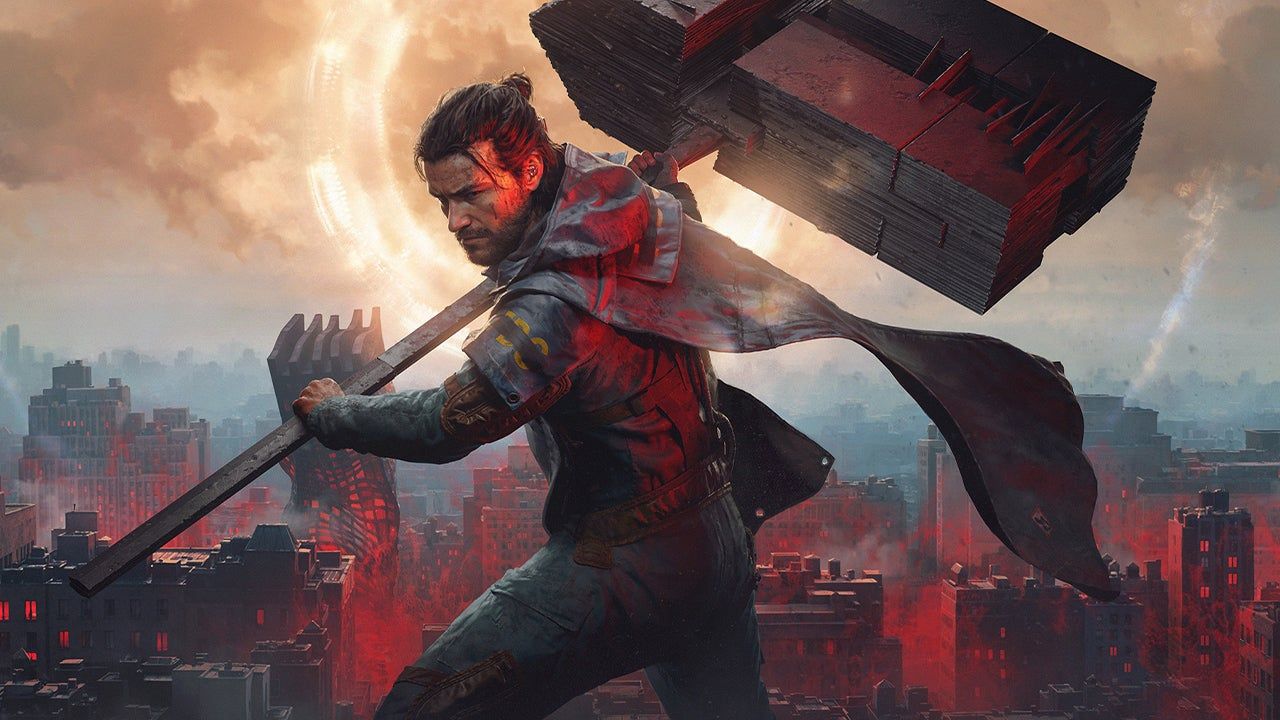
Mikael Kasurinen, the director of Control Resonant, articulated this belief clearly. He explained that the goal of crafting an experience is to balance presenting the world’s themes with letting the player make decisions about how to engage with those elements. He stressed that if the game tells the player where to go, it removes the critical choice.
“It’s so important that the players feel like they’re the ones figuring it out,” Kasurinen noted. “It is the job of us as creators to find the right balance between showing you the world and letting you make a decision on what to do with what you see within it. If it feels like ‘go here,’ it’s not a decision for the player. Somebody already decided for you.”
This emphasis on player-driven discovery is not limited to narrative-heavy titles. Developers across the industry are adopting similar principles. The Warlock: Dungeons & Dragons studio, Invoke, exemplifies this approach by deliberately avoiding traditional waypoints. General Manager Dominic Guay stated that they intentionally left out these markers so players are forced to genuinely explore the world themselves.
Invoke Studios aimed to ensure players engaged with the environment based on their own actions, rather than blindly trusting a waypoint. By ditching the traditional quest markers that dictate a direct path from one story section to the next, the game encourages players to talk to NPCs, observe details, and actively think about their next move.
Ultimately, the most rewarding and sticky gaming experiences are those that invite doubt and reflection. They don’t simply dictate a path; they present a world and ask the player to decide what they do next. This shift from guided experience to self-directed exploration is key to creating truly immersive, unforgettable worlds.
Credit
