Bethesda kills viral Fallout game fans rage
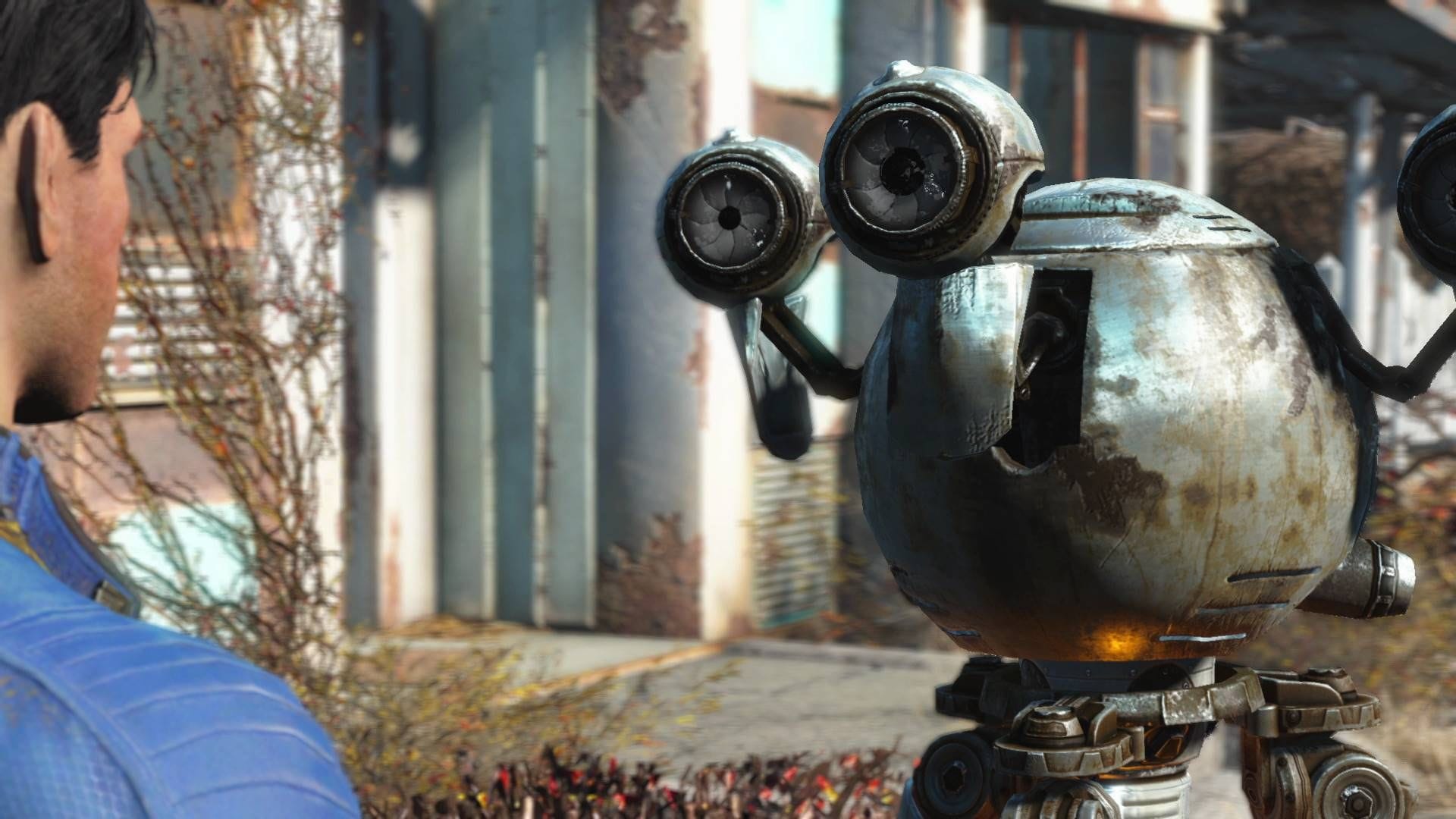
The line between fan creativity and corporate copyright has never been blurrier, but it just got a whole lot more complex when artificial intelligence steps into the digital wasteland. A viral project, born from the collision of gaming nostalgia and cutting-edge AI, has unexpectedly landed in the legal crosshairs of one of the biggest names in gaming: ZeniMax.
Earlier this week, an AI enthusiast took the global stage to unveil Fallout: New York, a fully realized post-apocalyptic RPG built entirely using the power of Claude Opus 5.5. This wasn’t just a concept; it was a sprawling virtual world featuring 117 unique locations, 112 distinct characters, and 46 weapons. Every single building, face, and sound effect was generated through complex coding, demonstrating the stunning potential of generative AI in world-building.
The digital debut sparked immediate reaction. The video showcasing this AI-generated world quickly amassed 3.5 million views across social media. For some, it was a celebration of new artistic freedom; for others, it was a pungent pile of AI slop. Regardless of the aesthetic debate, the project had undeniably captured attention.
However, the buzz quickly shifted from digital applause to legal scrutiny. Just days after the reveal, the creator found themselves facing an apparent cease-and-desist notice from Bethesda’s parent company, ZeniMax. The AI game, which was designed to be free and open, suddenly became a point of contention in the high-stakes world of intellectual property.
Instead of retreating, the creator responded with a dose of characteristic wit, turning the legal threat into a playful retort. In sharing the notice, they jokingly challenged Bethesda, suggesting, “Hey, [Bethesda], how about you make a Fallout game instead so I don’t have to?” This lighthearted jab highlighted the tension between the hands-off nature of AI creation and the protective boundaries of established game franchises.
Despite the legal intervention, the creator remained firm in their defense, emphasizing that the project was a fun, free technology demonstration, and they made no money from it. They expressed a deep love for the Fallout universe, framing the project as an extension of fan passion rather than a commercial intrusion. It was a clear declaration that while AI can generate worlds, the desire for creative expression remains fiercely human.
The story of Fallout: New York serves as a fascinating reminder: as technology continues to evolve, the boundaries of ownership and creativity are constantly being redrawn. Whether AI-generated content is a tool for innovation or a challenge to established corporate control, the digital frontier is proving to be an exciting, unpredictable place to explore.
Buy on Amazon
Credit
