Bethesda vet says Starfield wasn’t successful enough for Starfield 2
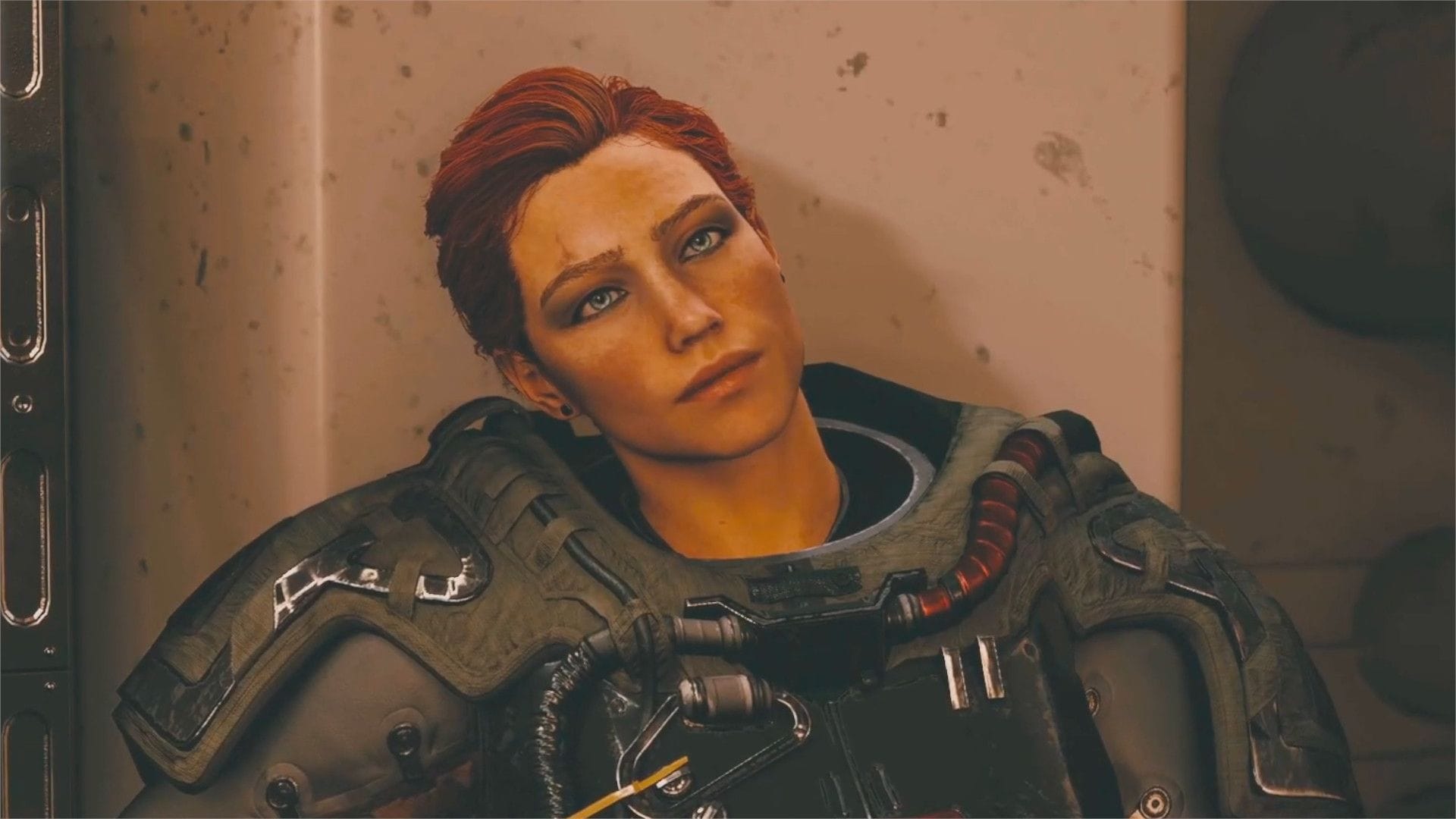
The Space Odyssey That Didn’t Quite Land: Examining the Starfield Phenomenon
On paper, Starfield is a triumph. With at least 15 million players since its release, impressive Metacritic scores in the 80s, and a launch day that saw a million concurrent players, the game undoubtedly achieved massive commercial success. Yet, for many devoted fans of the Bethesda universe, the experience feels like a dramatic comedown—a letdown following the golden age of Skyrim and Fallout 4.
This disconnect between statistical success and emotional satisfaction is perhaps the most interesting part of the story. While the numbers are undeniable, the feeling among the community is that Starfield failed to fully deliver on the high expectations set by its predecessors. This skepticism isn’t just about the content; it’s about the execution of a monumental vision.
The reality is that the ambition required to build a sprawling space RPG felt, in retrospect, too much for the studio to handle. Lead systems designer Kurt Kuhlmann, who helped craft the game’s mechanics, suggested that a sequel was unlikely. He expressed surprise that a game of this scope didn’t manage to deliver the cohesive experience that many hoped for.
Kuhlmann pointed out that while Starfield has moments of brilliance, the overall coherence is lacking. The massive scope meant that intricate systems, like the outpost structure, felt cool in isolation but were not fully integrated into the broader narrative. This structural oversight echoed past challenges, specifically noting that the settlement system in Fallout 4 caused significant development friction, which wasn’t fully resolved in Starfield.
It raises a deeper question about the scale of the undertaking. Kuhlmann suggested that the sheer scope was perhaps too ambitious, noting that the team couldn’t quite manage the vision as fully as they had hoped. This suggests that the difficulty of making a truly coherent, interconnected world may have been the true stumbling block, rather than the mechanics themselves.
This observation contrasts sharply with the lifelong dream of creator Todd Howard, who has reportedly envisioned a Starfield-style space RPG for decades. When a game is built upon such a long-held fantasy, the gap between the dream and the final product can feel particularly acute. If the game doesn’t fully realize the potential of that imagined world, it leaves fans wondering what could have been.
Ultimately, the Starfield experience serves as a powerful reminder that size and scope do not automatically equate to quality. It highlights the delicate balance between ambition, execution, and the intricate task of weaving a cohesive, believable world that satisfies both the massive audience and the original creative intent.
Credit
