BG3 Camera Mod Goes Viral, Sparks Identity Debate
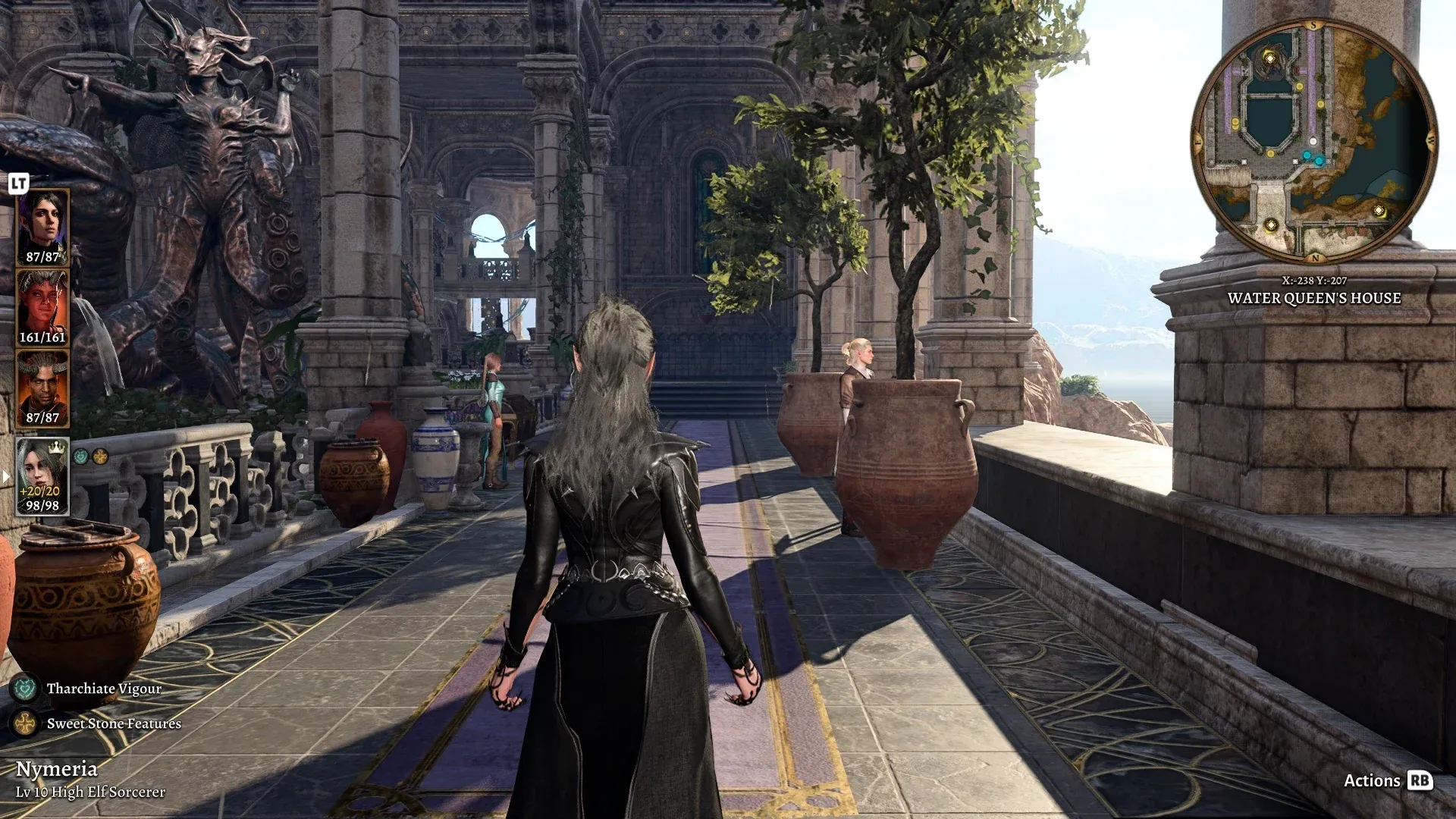
Even three years after its release, Baldur’s Gate 3 remains a hotbed of discussion, fueled by player creativity and heated philosophical debates. While many are immersed in the world of Faerûn, a particular mod has sparked a wider conversation about game design: should players have the freedom to reshape the very experience they enjoy?
At the center of this controversy is Relysia’s True Third-Person Camera, a modification released on Nexus Mods. This mod introduces an over-the-shoulder perspective that keeps the camera closely attached to the player character, offering dynamic field-of-view and smooth transitions during gameplay actions like spellcasting or jumping.
This visual shift is dramatic. It transforms the classic top-down, isometric view of Baldur’s Gate 3 into a style reminiscent of games like Dragon Age: Origins or Dragon Age: The Veilguard, allowing players to move through the world in a more familiar third-person manner.
The reaction, however, was far from unified. For some, this change felt like an unwarranted attack on the game’s established identity. Critics argued that modifying the camera fundamentally changes how the game’s core systems—exploration, combat, and level design—are experienced. They suggested that adopting a third-person perspective wasn’t just a visual preference but a reflection of deeper game mechanics, arguing that removing these elements diminishes the unique charm of a classic computer role-playing game.
This sentiment led to some strong critiques, with voices asserting that features should be considered part of the core design rather than tacked on as simple filters. One observer noted that treating camera controls as mere options disregards how game development actually functions, emphasizing that changes at this level require reevaluating dozens of interwoven systems.
Yet, the movement toward more immersive play has found fervent supporters. For many, the desire for modern controls like WASD movement and enhanced camera control represents a genuine demand for improved gameplay. These advocates argue that optional features should be available to players who prefer a different style of interaction, allowing them to enjoy the world in the way they find most engaging.
This push for player agency brings up a broader question: what truly defines a genre? Supporters contend that camera mechanics do not define a game’s genre; rather, the underlying mechanics, systems, and design philosophy do. They suggest that making options available simply gives more people another path to enjoyment without fundamentally altering the core experience.
The debate underscores a tension between artistic vision and player freedom. While some remain fiercely protective of the classic CRPG formula, others celebrate the mod as an exciting extension of the game’s potential, reflecting a widespread desire for evolving and personalized gaming experiences in the age of modern RPGs.
Buy on Amazon
Credit