Boss defends underrated RPGs: Why people stopped making games
It’s a fascinating trend in the world of game development: the constant, creative act of revisiting classic mechanics to forge spiritual successors. It speaks to a deep appreciation for the foundational ideas that shaped genre history, especially when those original concepts have fallen out of current fashion.
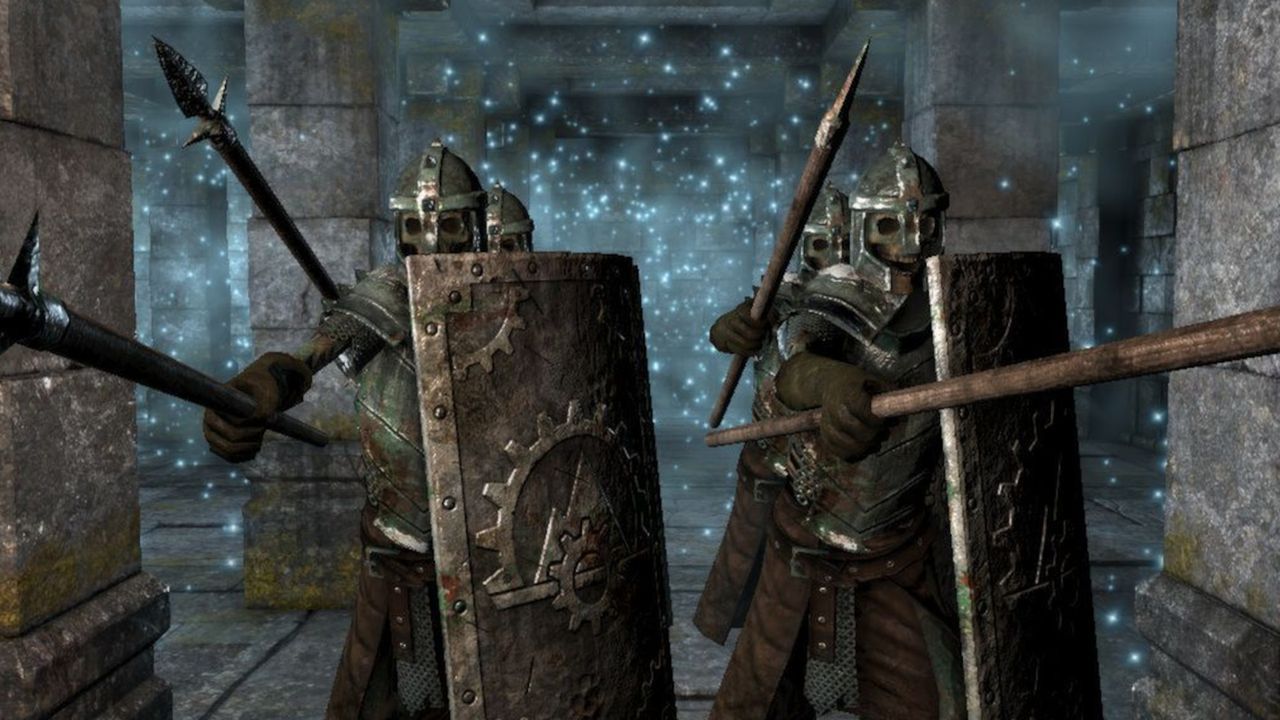
Recently, this trend has been vividly demonstrated in the development of games inspired by classic dungeon-crawlers. For instance, a team creating a Morrowind-inspired RPG has found inspiration in the work of Legend of Grimrock, while in a similar vein, Legend of Grimrock itself served as a spiritual predecessor to Dungeon Master. This lineage is not just about nostalgia; it’s about reviving core gameplay concepts.
The enthusiasm for these deep-dive experiences is strongly championed by figures involved in the genre. Chris Wilson, a co-creator of Path of Exile, has expressed deep admiration for the legacy of Dungeon Master. He noted that while Dungeon Master may not have been the first game to introduce the first-person perspective, it was pivotal in bringing that particular style of RPG to a much wider audience.
What made those early dungeon-crawlers so impactful was the immersive challenge. Players had to navigate dark, menacing tunnels mapped like a grid, relying on lateral thinking and utilizing their inventory to solve environmental puzzles. This requirement for active, spatial problem-solving was a massive step up in terms of immersion.
Wilson recalls finding the experience “terrifying, in a good way,” when he was younger, as players had to improvise their way through the darkness and face menacing encounters. This foundational design established a core principle that game designers continue to explore today.
The evolution of the genre, however, has been marked by massive shifts. As games like Wolfenstein 3D, Doom, Quake, and Diablo 1 arrived, the landscape changed dramatically, moving away from the earlier grid-based exploration. This revolution introduced full 3D environments and real-time action, fundamentally altering how players experienced RPGs.
Despite these technological advancements, the demand for deep, atmospheric dungeon exploration persists. Developers today are embracing the wisdom of the past, refusing to let the foundational elements of these classic games disappear. By reintroducing the challenges and immersion of older concepts, they are ensuring that the enduring magic of those classic mechanics continues to inspire the next generation of adventure games.
Buy on Amazon
Credit