Boycott PlayStation for physical discs Critics warn but will gamers listen
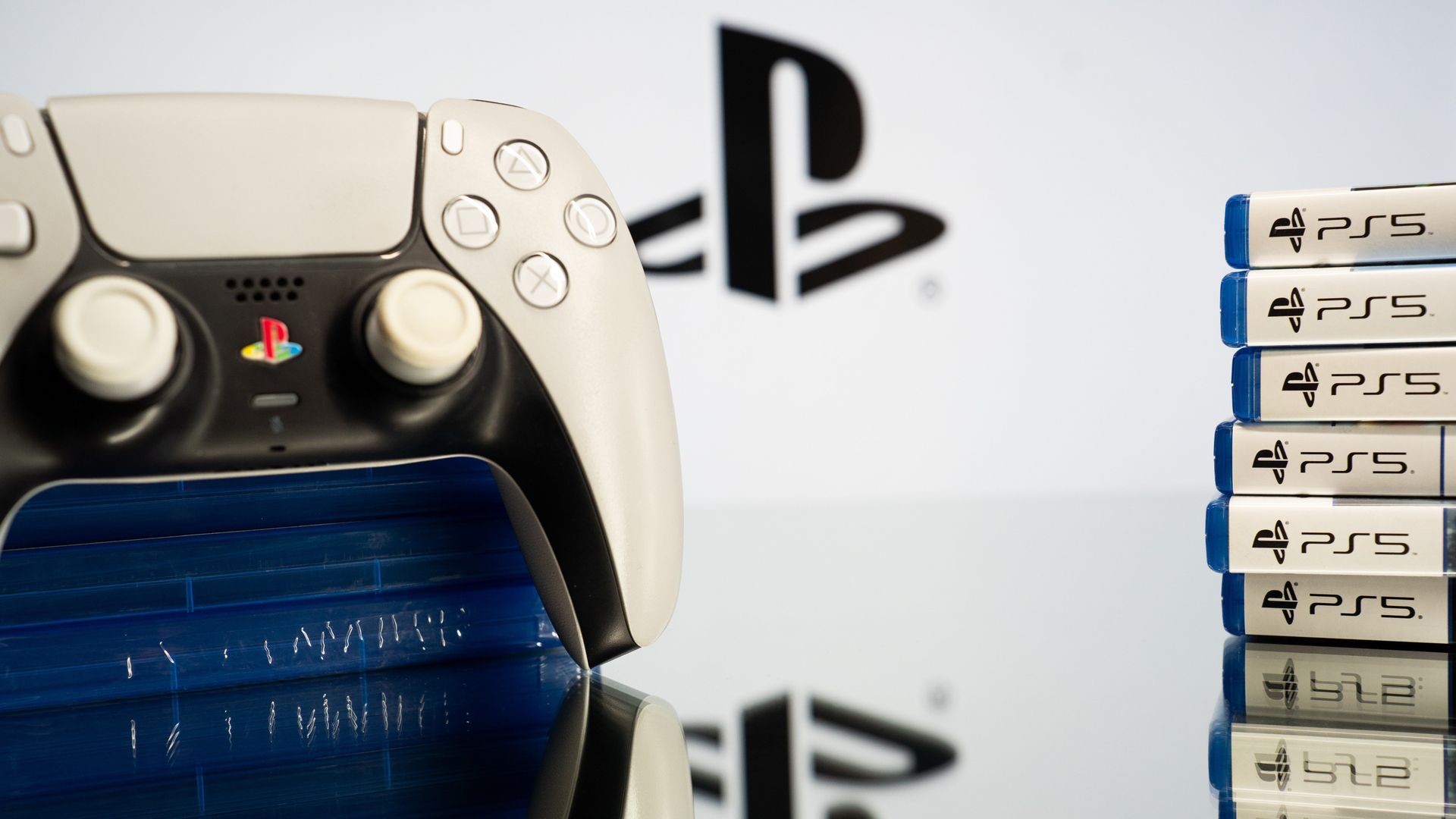
The fight for physical gaming ownership has reached a fever pitch as advocates launch a concerted campaign against Sony’s plan to eliminate game discs. Calling for a one-week #PSBlackout, critics urged gamers to protest the move, demanding that Sony reconsider its decision to phase out physical media entirely by 2028.
The call to action resonated loudly across social media platforms. Groups of backers argued that abandoning physical discs is an unacceptable shift in consumer preference and a betrayal of the community that values true ownership. Their message was clear: if digital convenience is the goal, it should not come at the cost of player choice and preservation.
Sony’s defense rests on the idea of following market trends. Senior Director Sid Shuman explained that shifting consumer preference towards digital formats dictates that physical game disc production will be discontinued starting in January 2028, with new titles released exclusively through the PlayStation Store and retailers in digital formats. This strategy, Sony argues, aligns with how the gaming community now prefers to access and play games.
However, for many dedicated fans, this transition feels less like a natural evolution and more like a loss of cherished freedoms. Physical media proponents emphasize that discs offer unique advantages—the ability to share, trade, collect, preserve, and play games for years into the future—freedoms often absent in digital downloads.
This stance has drawn sharp criticism from regulatory bodies and industry experts alike. The UK’s Digital Entertainment and Retail Association (ERA) labeled Sony‘s move a “triumph of corporate convenience over consumer choice.” Kim Bayley, CEO of ERA, pointed out that data shows 25% of under-25 gamers still rely on discs, arguing they should remain an option alongside digital.
The debate extends beyond mere preference; it touches upon the economics of game development and distribution. While Sony focuses on maximizing revenue from high-margin digital sales—keeping 100% of revenue for first-party games sold through the PlayStation Store—physical copies offer a different financial picture, especially regarding third-party titles like Call of Duty, where licensing fees are lower than pure download margins.
Despite the widespread backlash and online petitions, analysts suggest that the tide is unlikely to turn. Dr. Serkan Toto, CEO of Kantan Games, noted that even significant protests do not change corporate strategy, emphasizing that Sony’s massive user base ensures digital dominance remains highly lucrative. He suggested that large-scale cancellations would only represent a small fraction of the business, as 120 million active PlayStation users remain entrenched.
The overall industry consensus points to evolving purchasing habits. Games analysts observe that while physical media has declined in importance, modern consumption trends favor digital access. Some experts argue that if gamers and preservationists had demanded more physical copies, the digital sales ratios would not have justified Sony‘s current decision.
Ultimately, the movement underscores a fundamental tension in the gaming world: the clash between corporate pursuit of efficiency and the deep-seated desire of consumers to own and preserve their entertainment. The battle over game discs has become a powerful symbol of this larger struggle for ownership in the digital age.
Buy on Amazon
Credit