Bring classic game boxes to life Print and build with GOG 3D models
The physical media landscape for gaming is shifting, with major players openly moving toward digital dominance. Sony, for instance, is planning to end physical disc production for PlayStation games in 2028, reflecting a wider industry trend where digital distribution is increasingly favored. While this trend marks an end for physical discs, a different kind of preservation movement is taking root, focusing not on where games are sold, but on preserving the entire nostalgic experience.
In the world of PC gaming, where digital is the default, a counter-movement is finding ways to honor the classic “big box” experience. This is where platforms like GOG are stepping up, employing innovative methods to preserve the context and aesthetic of classic titles. Their Preservation program is doing more than just ensuring games remain accessible; it’s about preserving the packaging, the art, and the full history that surrounds these iconic titles.
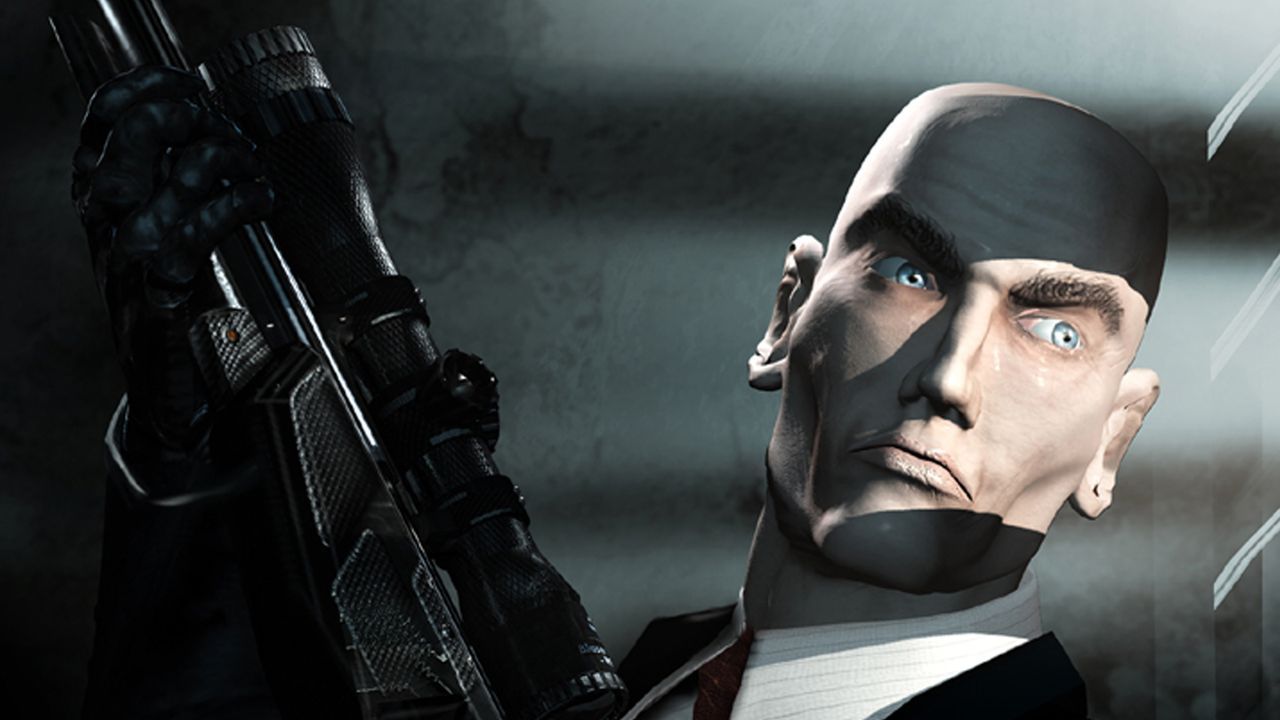
To achieve this, GOG has introduced a fascinating new feature: interactive 3D scans of physical box art. Titles such as Myst, Descent, Hitman: Codename 47, Star Trek: 25th Anniversary, and Armikrog have all been digitized into rotatable 3D models. When a user purchases the game, they can download these scans and view them in a viewer built right into Windows and Mac, allowing them to spin the box around as if they were physically holding it.
This approach taps directly into a deep sense of nostalgia, offering fans a unique, engaging way to interact with the physical artifacts of gaming history. The result is a novel form of digital archaeology, transforming static artwork into dynamic, interactive objects.
But GOG is not stopping at just digital viewing. They are collaborating with creators to extend this experience into the physical realm. Working alongside Benjamin Wimmer, the originator of the Big Box Collection concept, GOG is providing flat, printable versions of the box art. This allows enthusiasts to cut, fold, and glue the designs themselves, turning digital scans back into physical papercraft projects that bring the classic aesthetic back onto shelves.
This initiative highlights a crucial point: game preservation isn’t just about making sure the game files are available on modern storefronts. It is about safeguarding the full context—the packaging, the supplements, and the entire ecosystem that defines an experience. As one observer noted, heroes are needed to safeguard these titles, much like those who ensure cinematic classics remain accessible.
Buy on Amazon
Credit