Build a cozy Lego skyline hands-on preview
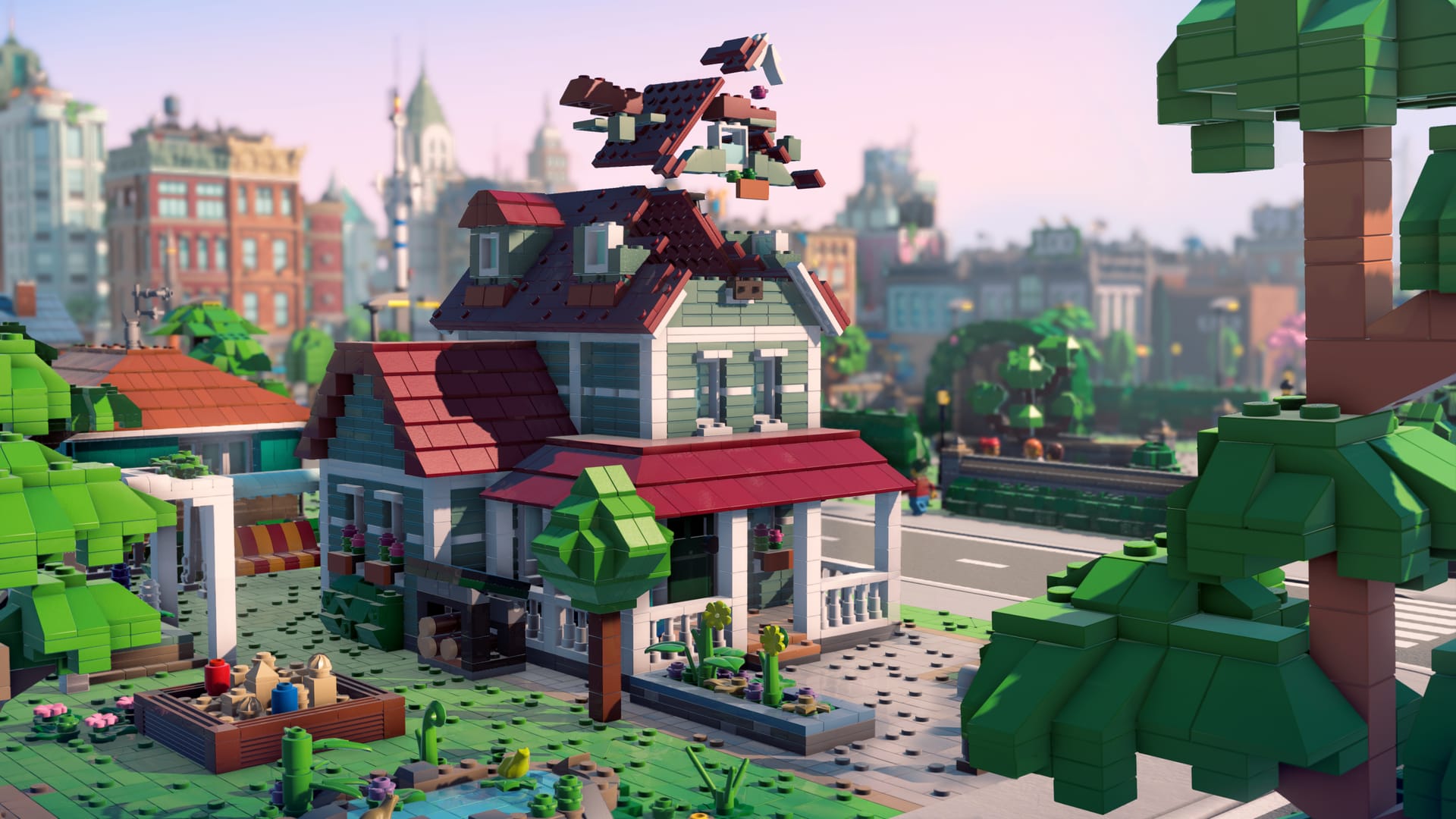
The Art of Assembly: Why Building is More Than Just Bricks
When you look at a city, you see order. You see roads, buildings, and a cohesive vision. But what if the foundation of creation isn’t about placing individual bricks, but about assembling pre-fabricated dreams? This is the core philosophy behind sandbox city builders like Lego Skylines, offering a unique way to explore the beautiful chaos of urban development.
The experience of building in this world is immediately liberating. You aren’t constrained by the painstaking process of laying a single brick; instead, you are presented with a palette of architectural possibilities—ready-made houses and structures—and the challenge shifts entirely to orchestration. It’s an exercise in creative curation, where the true artistry lies in how these pre-built elements interlock to form a cohesive, sprawling metropolis.
Yet, the magic doesn’t stop at aesthetics. A truly compelling city, whether real or virtual, must function. This is where the tension emerges. Developers designed the experience to offer a gentle, inviting approach to city-building, allowing players to focus on the beautiful pattern first. But the inherent reality of urban life demands that you grapple with functionality. You have to decide whether you prioritize the pleasing façade or the working infrastructure.
Lego Skylines manages this balance brilliantly. It throws the players into the role of master architects who must solve real-world urban dilemmas—crime, utilities, and population management—but in a forgiving context. There is no immediate collapse due to neglect; instead, the system allows time for thoughtful intervention. This subtle pacing means you can indulge in the joy of construction while simultaneously engaging in the necessary work of governance and development.
The depth of the game reveals itself when you dive into the systems. If you want to attract a thriving populace, you need jobs, which demands infrastructure. If you want people to patronize new businesses, you need appealing storefronts, vibrant billboards, and beautiful public spaces. Every choice you make—from placing a park to establishing a university road—is a decision about urban planning and social dynamics.
The most fascinating aspect of the game is the inherent dynamism of the environment. A city is not a static monument; it is a living organism. Buildings rise and fall, roads are extended, and populations evolve, mirroring the constant flux of real-world cities. This cyclical change emphasizes that building is not a single endpoint, but an ongoing, evolving process. It captures the beautiful, messy reality that cities are always growing, decaying, and transforming alongside the people who inhabit them.
Ultimately, the appeal of this experience lies in its freedom. It offers the satisfying sense of control to design something magnificent, combined with the subtle, grounding challenge of making that magnificent thing actually work. It’s an invitation to stop merely constructing and start truly designing—a reminder that the most beautiful cities are those built not just with materials, but with thoughtful, evolving systems.
Buy on Amazon
Credit