Building 1000 Switch 2 Joy-Cons: My Experience
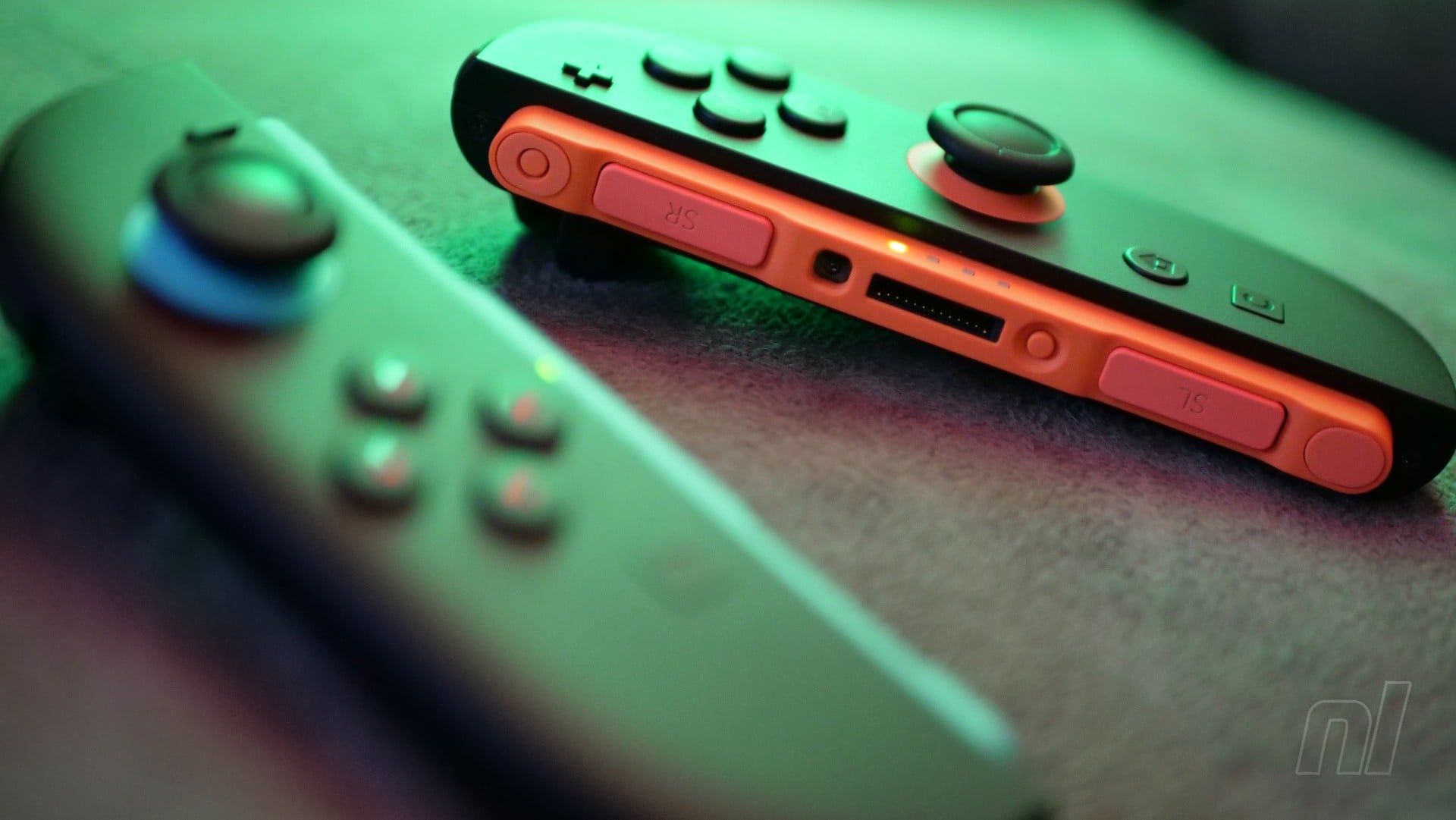
The journey into a new console generation is often paved with apprehension, especially when you carry the ghost of past hardware with you. For many, the specter of Joy-Con drift from the previous generation loomed large, making early reviews of the new system met with careful, cautious scrutiny.
This caution naturally extended to the new hardware. While the new controllers appeared noticeably improved, there remains an inherent uncertainty: are these improvements lasting, and how widespread are the potential issues?
The true test of any new technology, however, often lies not in glossy marketing, but in hands-on reality. To cut through the speculation, we decided to put the new controllers through the ultimate trial: rigorous, real-world testing.
We dove deep into the mechanics of the new system, taking the initiative to disassemble and work on hundreds of the new Joy-Cons over a 15-month period. This hands-on approach allowed us to move beyond theoretical concerns and investigate the performance of the new controllers firsthand.
The results of this extensive testing provided a crucial perspective. It revealed that while the new hardware addressed many previous concerns, the nature of these issues remains complex. Determining whether a fault is a one-off anomaly or a systemic problem requires persistent investigation.
To provide a truly unbiased assessment of these findings, we sought out the expertise of specialists. We invited Gal Silver of GameTraderZero to share his insights, tapping into a pool of experience that went beyond standard review scores.
His deep dive into the physical and functional performance of the new controllers offered a valuable roadmap. It emphasized that understanding the evolving hardware requires time and careful attention, moving the conversation from mere speculation to informed reality.
Buy on Amazon
Credit