Bungie’s mantra: I love Destiny but hate its early MMO state
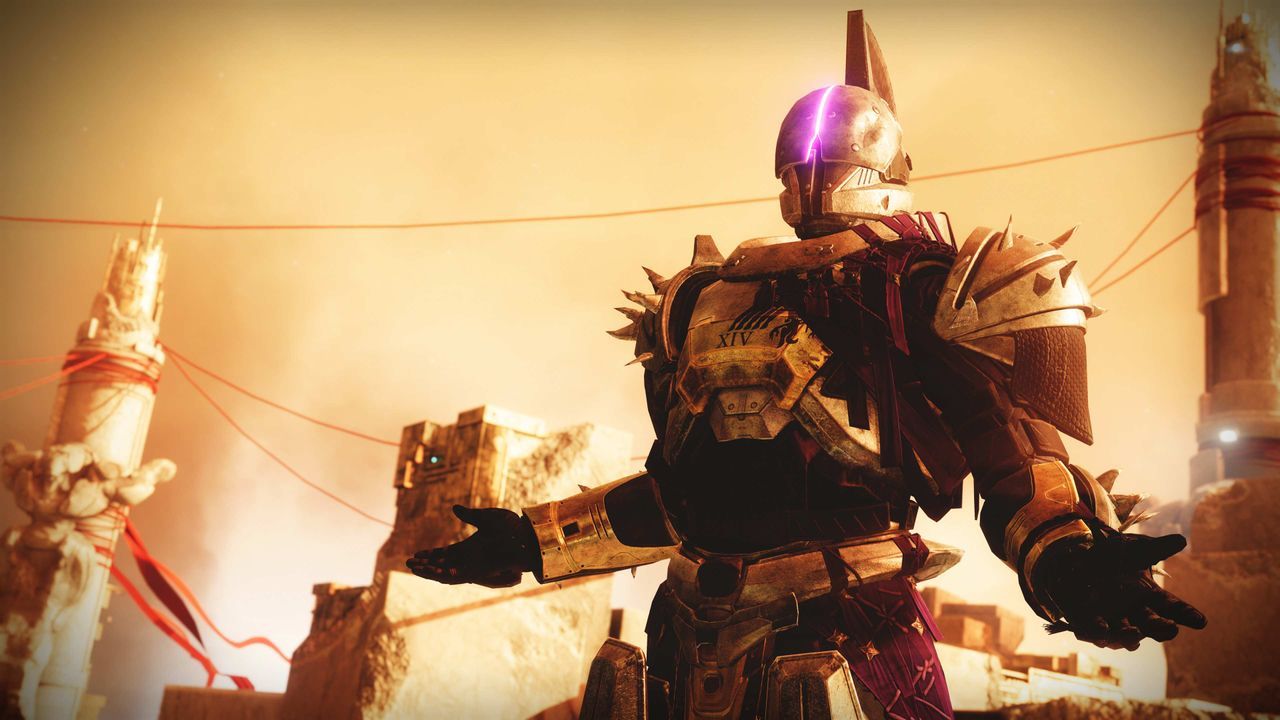
Eleven years after its release, the expansion The Taken King stands as a monument in the sprawling history of Destiny. For many players, it remains the touchstone of a franchise that constantly strives for greatness, serving as a reminder of what the series has achieved, and what it still yearns to be.
Mark Noseworthy, a former senior staff member at Bungie, reflects on his time developing the universe. He identifies The Taken King as his personal favorite and the piece of Destiny he is most proud of. It encapsulates a critical moment in the series, prompting a familiar sentiment among fans: a love for the game inextricably tied to the frustration that it is not perfect.
“Of all the parts of Destiny I’ve worked on, this remains my personal favorite as a player and the one I’m most proud of,” Noseworthy notes. He recalls the overarching mantra during its creation: “I love playing Destiny. I hate that it’s not better.” This tension—the deep affection mixed with the yearning for perfection—has become a defining characteristic of the Destiny experience.
The early years of Destiny were characterized by a period of evolution, where players and developers navigated uncertainty. While earlier content, such as the Vault of Glass, helped establish the game’s vision, The Taken King delivered a transformative payload. It injected powerful new story elements, introduced compelling buildcrafting options, and dramatically improved endgame progression, pushing the game into an undeniable new phase.
The expansion is widely regarded as one of Destiny’s finest additions, cementing a pattern that would influence the franchise for years. It became a powerful reminder that growth is often found in iteration, even if the initial vision requires refinement.
Throughout the series’ lifespan, many expansions have functioned as crucial corrections. For instance, subsequent updates often stepped in to address systemic issues, offering near shot-for-shot experiences that fixed errors and enhanced the core gameplay loop. This iterative process highlights a central theme: Destiny has often felt like it was on the verge of a major turning point, with its finest expansions successfully delivering on potential, avoiding pitfalls that other content would have needed to fix.
However, the journey has faced its own hurdles. As development shifts focus, the future horizons of the game are inevitably paused. Despite the positive state the game reached before development slowed, the ability to chase those new frontiers remains an open question for the community.
Buy on Amazon
Credit