C64 and Spectrum handhelds delayed six months due to quality issues
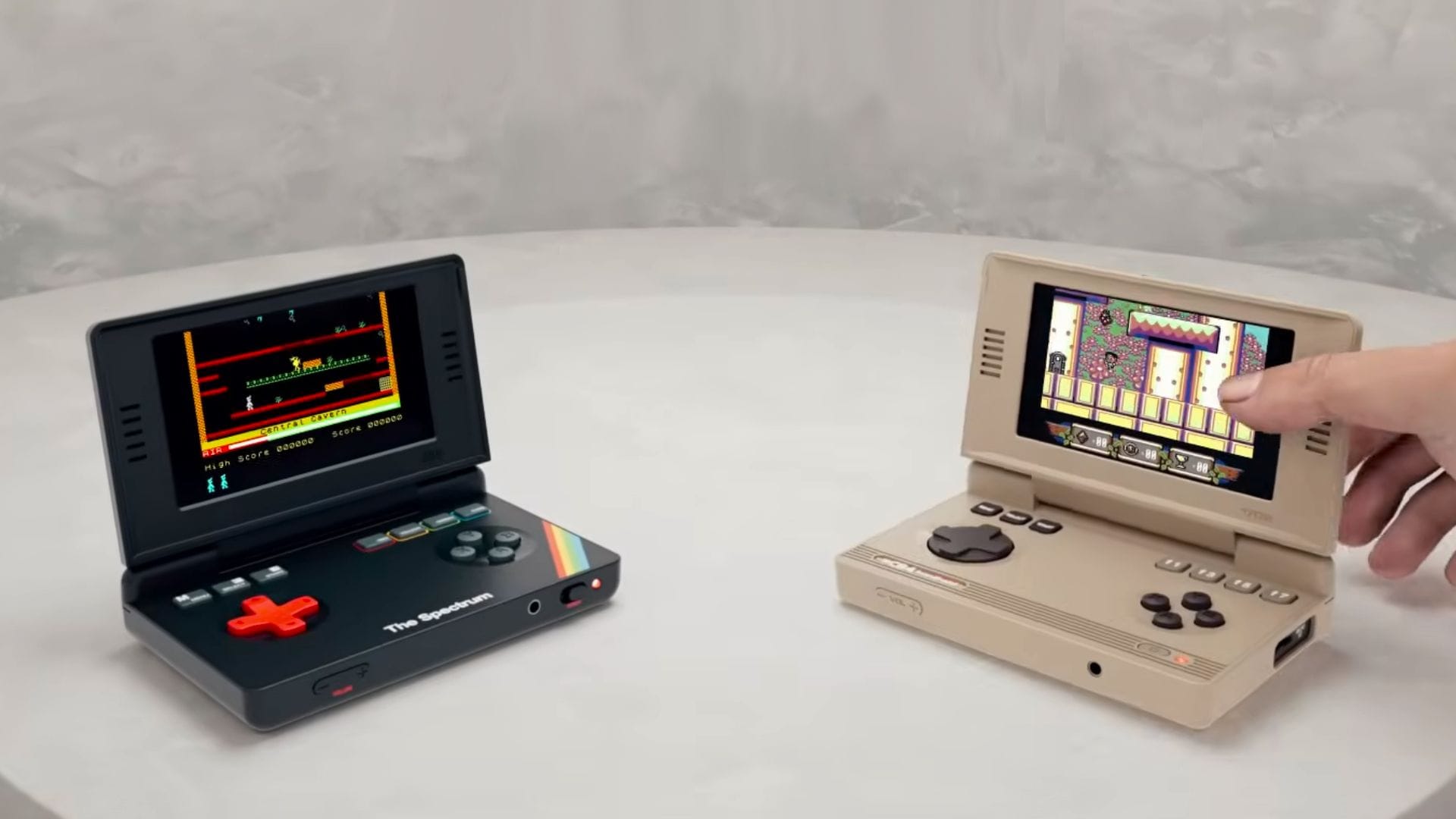
The wait is on. The highly anticipated clamshell handheld versions of the classic C64 and ZX Spectrum are no longer in sight, having been pushed back until April 22, 2027.
This six-month delay sends a ripple through the retro gaming community, as the collaboration between Retro Games Ltd and Blaze was forced to hit the pause button. Originally slated for a launch in October 2026, the launch of these retro handhelds was held up because production simply did not meet the high standards the creators aimed for.
In a statement released by the involved parties, the reason for the postponement was clear: quality control. While the excitement for portable retro gaming is palpable, the manufacturers decided that delivering a truly stellar experience was more important than adhering strictly to the original timeline. As one source noted, addressing production quality issues required more time to ensure the resulting products offered the quality players expect.
While this news is certainly a letdown for those eagerly anticipating the classic experience in a portable format, the focus remains firmly on the enduring love for microcomputer history. For those who crave retro gaming hardware, the path forward is proving just as creative and exciting.
If the goal is simply to dive into the gameplay immediately, several excellent, readily available alternatives offer instant gratification. Devices like the C64 Mini and the The Spectrum provide quick access to classic titles, letting you plug in and play without the drama of production delays.
For the serious enthusiast who seeks true hardware perfection and a direct connection to the original machines, the options move toward innovative engineering. Projects leveraging FPGA technology, such as the Commodore 64 Ultimate or the ZX Spectrum Next, offer a way to replicate the authentic innards of these legendary systems in a modern package.
Even more compelling is the path of independent innovation. Developers like Grant Sinclair, nephew of the late ZX Spectrum creator Clive Sinclair, have championed projects like the Gamercard, a Raspberry Pi portable that manages to capture the spirit of the original machine while running everything from Quake to PICO-8 fantasy consoles. This demonstrates that the spirit of microcomputing thrives wherever creativity is applied.
Ultimately, the journey through retro gaming is about experience, not just hardware. Whether you choose a streamlined handheld or a deep dive into FPGA-powered emulation, the history of microcomputers remains a vibrant, endlessly engaging world waiting to be explored.
Buy on Amazon
Credit