Can a Faux CRT TV truly relive gaming glory
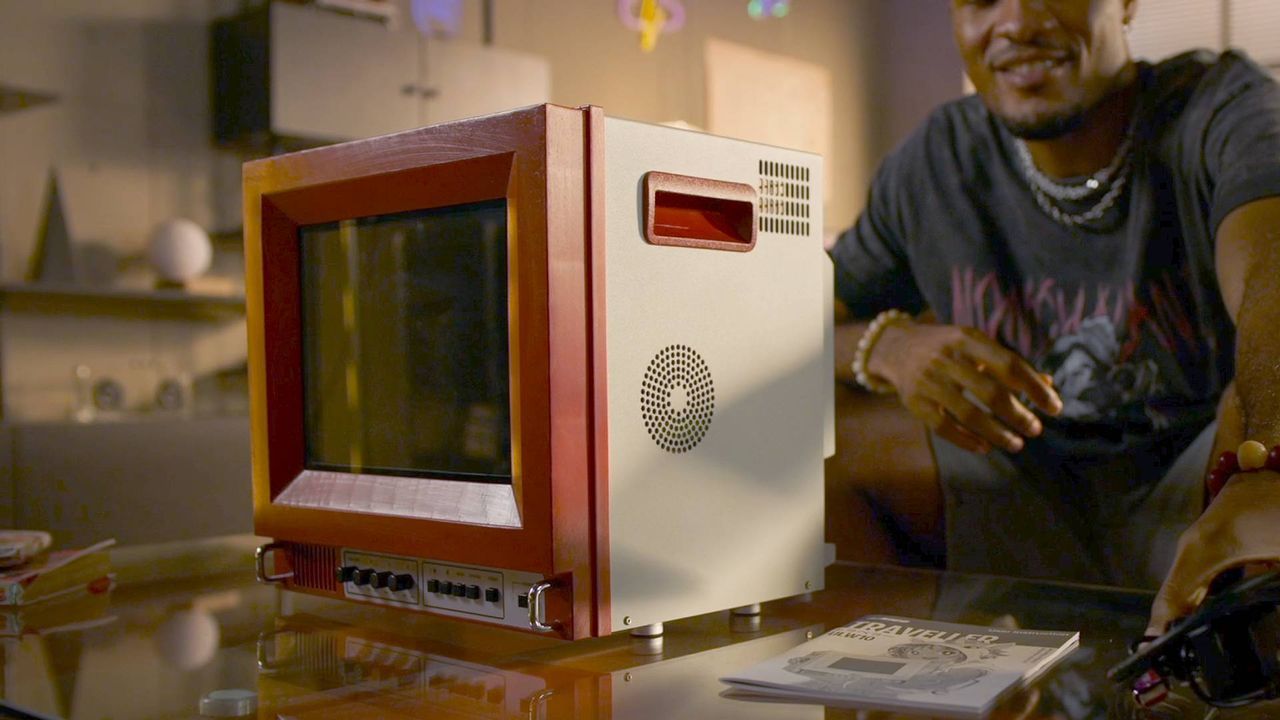
The Ghost of the Tube: Are Modern Screens Enough to Bring Back Retro Gaming Glory?
For decades, the allure of Cathode Ray Tube (CRT) televisions and monitors has persisted, fueling a passionate desire among retro gamers to experience the authentic feel of the golden age of console gaming. This longing is fueling a new wave of innovation, where companies are attempting to resurrect the tube aesthetic in the modern era. But as the hype builds, a crucial question remains: can modern LCD technology truly deliver the nostalgic experience, or are we just chasing a beautiful illusion?
The market is buzzing with these retro-inspired screens, and one player making waves is Unico, an arcade hardware maker that is pushing the boundaries of what a retro monitor can be. Their offering, the TRAVELLER-ULW10, is marketed as a modern take on the highly desirable Sony Trinitron PVM, aiming to evoke the classic look of a CRT display.
However, the reality of this trend often involves a fascinating mix of ambition and engineering. While the visual result mimics a tube, the underlying technology is fundamentally different: it is an LCD display. The goal, according to proponents, is simply to provide the appropriate 4:3 aspect ratio and input compatibility that makes retro consoles feel right, allowing gamers to “relive the glory days.”
This movement is not isolated. Other startups, like RetroBox, have also promised to revive formats like the “VHS combo TV,” and other entities are circulating various LCD-based Sony PVM remakes, suggesting a collective effort to fill the perceived gap in the retro hardware market.
The real curiosity lies in the technical specifications. While the marketing focuses heavily on the vintage aesthetic, details about the internal hardware remain opaque. This lack of transparency leads to some healthy skepticism regarding the actual performance and functionality. Are these devices simply pretty facades, or do they offer genuine improvements for connecting older systems?
The performance potential hinges on what is hidden inside the box. It is speculated that these screens might incorporate advanced upscaling technology, potentially similar to the GBS-C upscaler, which is known for improving the visual fidelity of older console signals. If they are utilizing such technology, they could offer a significant advantage in smoothing out the artifacts of older signals, which is a major concern for retro enthusiasts.
Conversely, if the technology relies solely on modern adapters, the experience may still be plagued by input lag and graphical quirks. The critical missing piece is a detailed look at the main board and internal components to confirm if the device truly addresses the unique challenges of running retro consoles on modern displays.
Ultimately, the pursuit of a perfectly authentic retro experience demands more than just a convincing visual trick. While the faux-tube trend offers a compelling visual hook and a physical space for retro cables, the true test lies in delivering genuinely superior functionality. As the market evolves, the focus must shift from aesthetic imitation to robust, transparent engineering that truly enhances the experience of playing the past in the present.
Buy on Amazon
Credit