Cancelled Games Betrayal The Future of Live Service Gaming
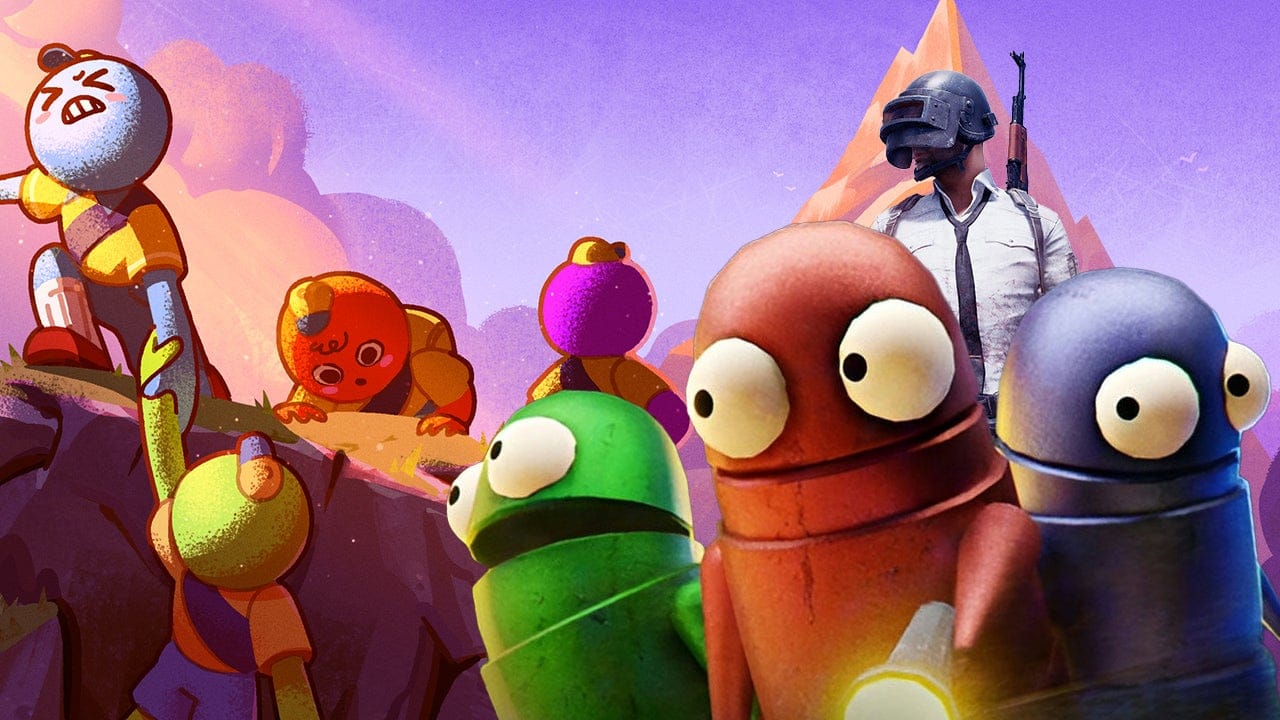
When the first live-service games arrived, they felt like a revolution. Titles like Fallout 76 sparked the dream of ever-evolving multiplayer worlds, promising a cycle of seasonal updates and continuous engagement. But eight years later, the landscape of gaming has undergone a significant shift. The era of endless, ever-evolving games is facing a painful contraction, forcing the industry to confront whether the pursuit of perpetual engagement is truly sustainable.
Major publishers are currently reeling from this change. Across the board, there is a noticeable trend of cancellation, particularly affecting ambitious projects and those leveraging beloved intellectual properties. This uncertainty has shaken the foundation of the live-service model, prompting a wider industry debate: is this a necessary correction, or the start of a decline?
The financial metrics tell a compelling story. The lucrative battle pass era, once a massive engine for revenue growth, is now under intense scrutiny. As player engagement and playtime growth in the battle royale sub-genre and overall free-to-play model have slowed, publishers are facing the uncomfortable reality that past success doesn’t guarantee future longevity. This stall has led some giants, like Sega, to pull back from ambitious projects, while others, such as PlayStation, have undertaken major overhauls of their live-service strategies.
The fallout isn’t limited to the largest franchises. Even established heavyweights are feeling the squeeze. The exodus and restructuring seen in the industry are forcing a necessary reckoning. For instance, the story of The Last of Us Online highlights how prioritizing one-off experiences over long-term service can derail even the most talented studios. This shift has created a profound trust deficit, as players increasingly demand stability and commitment from the games they invest in.
Yet, amidst this contraction, a powerful counter-movement is emerging. The indie game marketplace has exploded, proving that genuine, high-quality innovation still captivates players. Titles like Meccha Chameleon and R.E.P.O. are demonstrating that success doesn’t always require the massive overhead of a live-service structure. This growth suggests that the space between the AAA giants and independent developers is actually shrinking, allowing fresh, bold ideas to flourish.
This environment is not without its dramatic potential. Veteran developers who once navigated the chaotic waters of live-service development are now striking out on their own, creating new studios focused on the single-player experience they love. Groups like Black Pony Immersive and Hundred Star Games are channeling their experience into developing deep, immersive single-player experiences, suggesting a potential renaissance for quality double-A content.
This creative pivot isn’t about rejecting the multiplayer format entirely; it’s about redefining it. Former leaders are exploring new possibilities, such as The Legend of California, an open-world experience that blends survival crafting with action-RPG elements. These ambitious projects, guided by a desire to build something lasting, will rely on a healthy relationship between players and developers. Their success hinges on creating worlds that inspire commitment, moving beyond temporary trends.
Ultimately, the industry is at a turning point. While the shadow of live-service contraction is real, the influx of innovative independent voices signals a necessary reset. The next chapter in gaming may not be defined by the daily grind of battle passes, but by a return to the enduring appeal of masterful, deep, and singular experiences. The future of gaming is poised to be defined by innovation, and hopefully, by a renewed trust between creators and players.
Buy on Amazon
Credit
