Capcom dev threatens Miyamoto over a Zelda game
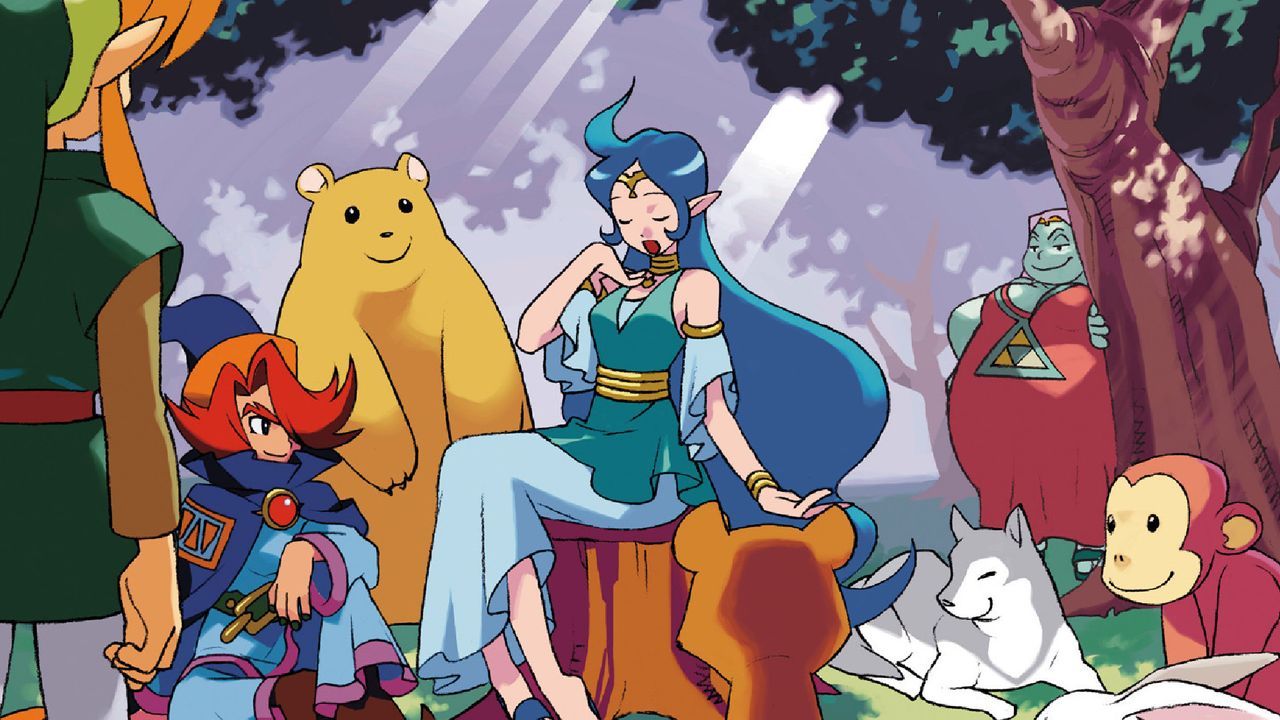
While Link’s Awakening remains a fan favorite among the best Zelda games ever made, Capcom and Nintendo also carved out a unique, if occasionally thorny, path in the realm of Game Boy gaming with the Oracle series. These games, Oracle of Seasons and Oracle of Ages, stand as fascinating examples of ambitious development colliding with corporate negotiations, proving that sometimes the most entertaining stories emerge from the clashes of creative minds.
The foundation for this collaboration stemmed from Yoshiki Okamoto, a visionary producer known for classics like Final Fight and Street Fighter 2. In the late 1990s, Okamoto envisioned a grand project: to remake the original Legend of Zelda for Game Boy Color and then use that experience to create an entire trilogy of original games for the platform.
This audacious vision required navigating the delicate relationship between the two giants, Capcom and Nintendo. When negotiations stalled, Okamoto reportedly opted for a dramatic approach. In a 1999 interview with the German magazine Total, he revealed his willingness to threaten Shigeru Miyamoto himself if Nintendo was unwilling to cooperate. He proposed that if Nintendo refused the remake, they would release an identical game with different characters under a different title.
While the threat might have been over the line for some executives, it ultimately proved effective in forcing the necessary bargaining. Given Nintendo’s typical reluctance to see similar products on the market, this playful ultimatum served as a powerful catalyst, pushing the deal forward.
Though the original plan faced development hurdles and had to be scaled back from a trilogy to just two games, the resulting Oracle titles were undeniably brilliant. They demonstrated that even contentious beginnings can lead to remarkable outcomes. Furthermore, the collaborative spirit continued, as Nintendo later partnered with Capcom on The Minish Cap, cementing this era of cross-company innovation.
The Oracle games are more than just nostalgic artifacts; they are a testament to the creative friction and unexpected triumphs that can occur when legendary figures attempt to merge their worlds. They stand as a witty footnote in gaming history—a reminder that sometimes, the best stories are written not just with code, but with a little bit of perfectly timed audacity.
Credit