Capcom grown numb to the horror of new RE games
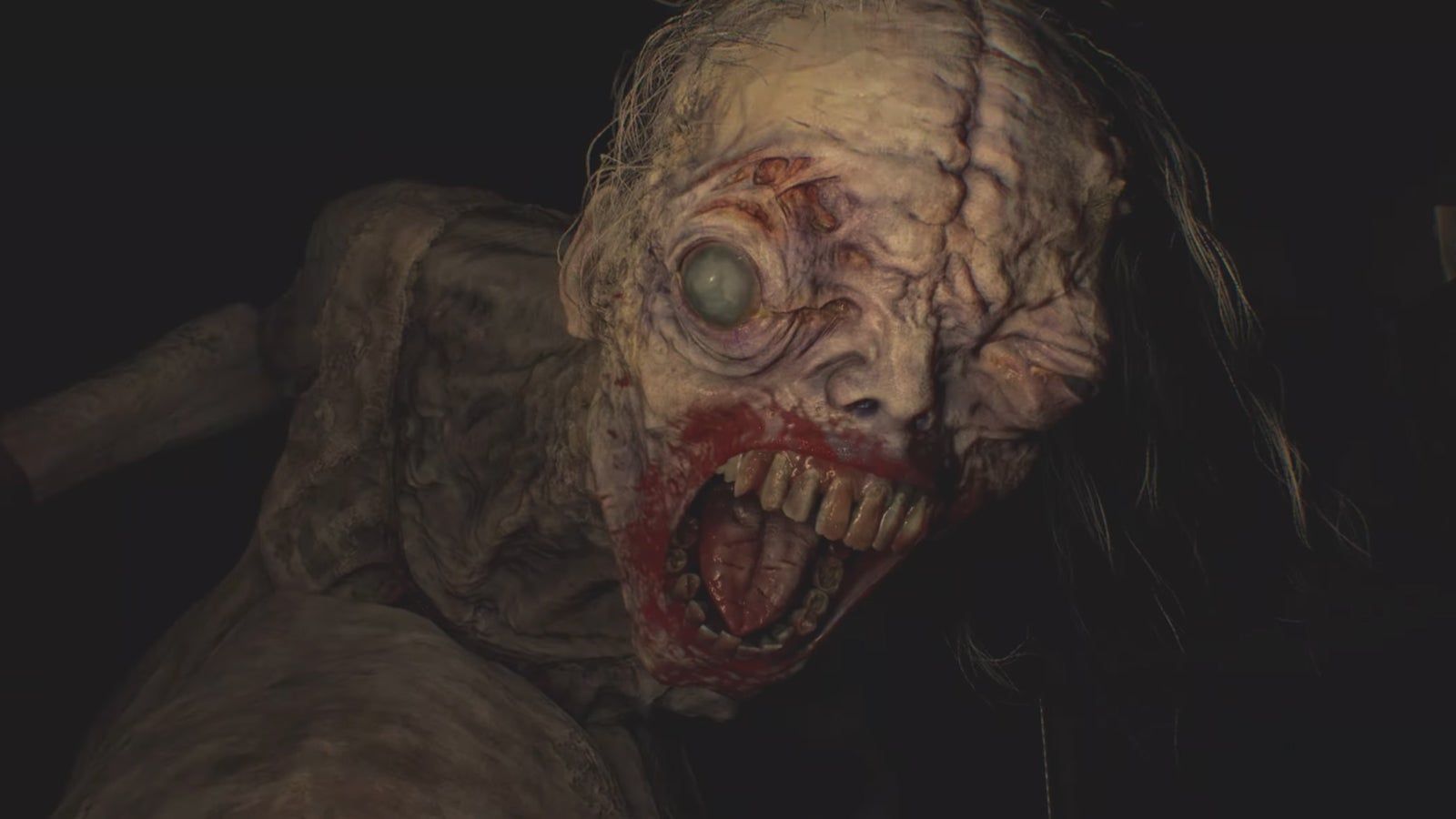
Hideki Kamiya, the legendary director behind the original Resident Evil 2, has launched a campaign to tame the monster, demanding that the developers acknowledge just how frightening their latest creations have become. He didn’t mince words, arguing that the current iteration of the Resident Evil franchise has become so overwhelmingly terrifying that he felt Capcom had lost sight of what makes a game enjoyable.
His frustration boiled over when he publicly suggested a radical solution: a “non-scary mode” for games like Resident Evil Requiem. He wasn’t just asking for a slight tweak; he envisioned a world where the intense gameplay of puzzles and combat could be experienced without the crushing fear.
Kamiya detailed his vision for this alternate reality, suggesting that in this mode, the zombies would trade their menacing faces for something far more palatable. Instead of gore and dread, he imagined a mode where blood splatters transformed into cherry blossom petals, the soundtrack shifted to upbeat, feel-good tunes, and players could simply enjoy the mechanics of the game in a fun, relaxed mood.
“I’m being one hundred percent serious when I say that I wish they would make it so that their games can also be enjoyed by people like me, who can’t handle scary games at all,” he explained.
This plea wasn’t just theoretical; Kamiya pointed out that the developers seemed oblivious to the visceral impact they were creating. He shared a touching anecdote about his interactions with the Capcom teams, where he felt his direct feedback—that the games were “too scary”—was met with a bewildered response. He described the exchange with a producer as a humorous exchange: he told them their games were too scary, and they responded with a stunned, “What? Seriously?!”, highlighting a gap between the creators and the audience’s experience.
Kamiya suggested that even minor adjustments could drastically improve the experience, proposing simple changes like giving the zombies brown paper bags on their heads or introducing pleasant mood lighting instead of perpetual gloom.
The irony of the situation is stark. Despite Kamiya’s earnest request for a lighter experience, the franchise is continuing its trajectory toward increasingly intense horror. Next year, for instance, the remake of Code Veronica is set to arrive, promising even more terrifying zombie combat.
In a moment of playful fantasy, Kamiya even joked about what he would create if given the chance to steer the narrative: a spin-off game where Leon Kennedy could finally enjoy a peaceful retirement, perhaps fishing in the countryside, foraging for wild vegetables, and baking bread instead of battling the undead.
Ultimately, Kamiya’s story serves as a potent reminder that the line between thrilling entertainment and genuine horror can be subjective. His persistent demand underscores a growing tension between creative freedom and audience expectation in the high-fidelity world of video game development.
Buy on Amazon
Credit