Capcom’s visual strategy for Resident Evil remakes
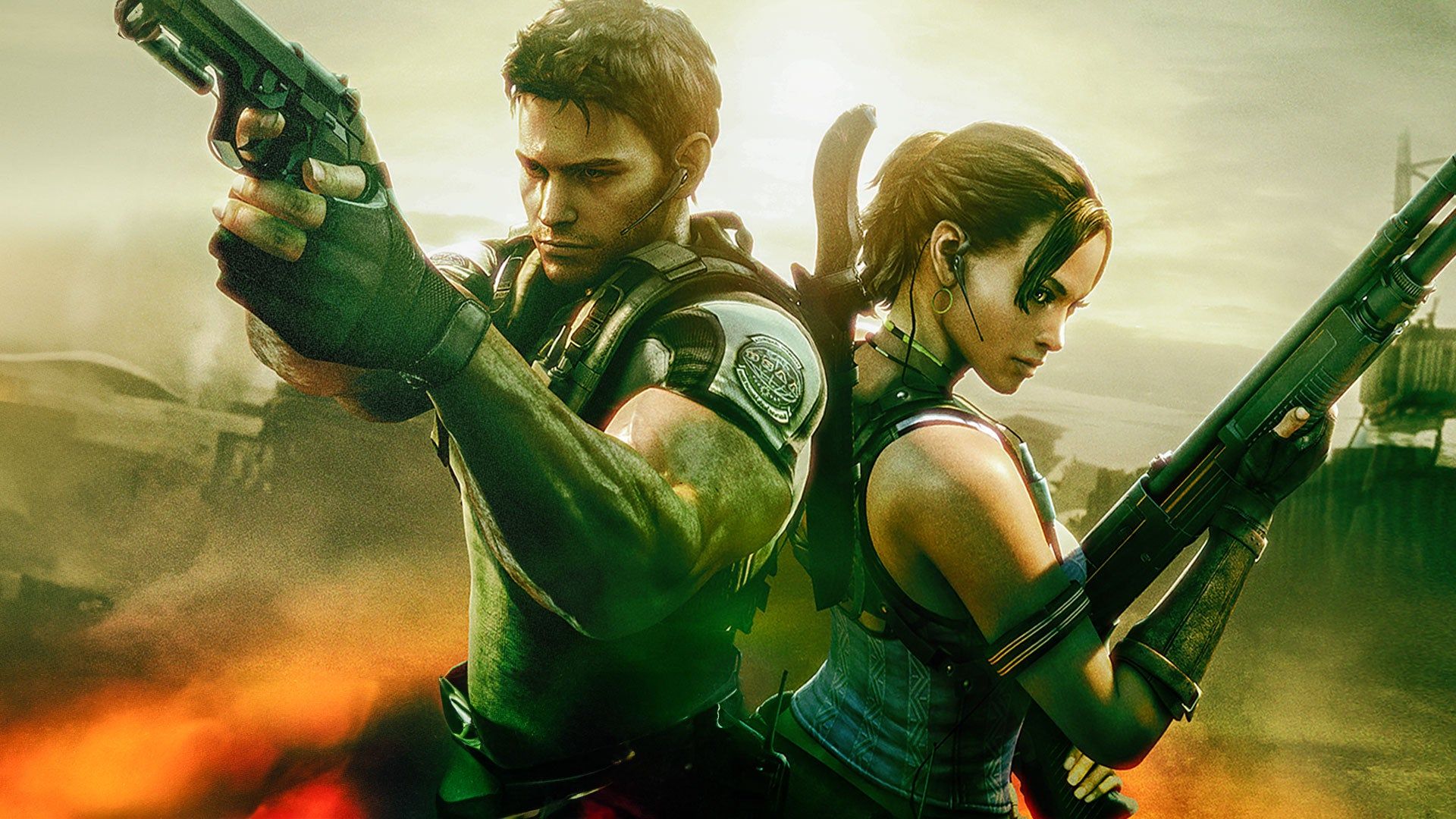
The Next Chapter: How Capcom is Redefining the Future of Resident Evil
For a franchise that has spanned three decades, the world of Resident Evil is perpetually evolving. But behind the successful remakes and new installments, the studio is quietly plotting a long-term strategy for the series, acknowledging that the era of classic reboots is approaching its natural conclusion. Capcom, the publisher, is not simply releasing games; they are architecting a future where the history of Resident Evil informs its next great adventure.
This strategic vision is being shaped by veterans within the company. Jun Takeuchi, an executive producer who has guided the series for over a decade, has openly admitted that while the remakes of titles like Resident Evil 2, 3, and 4 have been huge successes, the reservoir of classic games available for rebooting is slowly running low. This realization has prompted a deeper thought: what happens when the focus shifts from remastering the past to building the future?
At the heart of this evolution is the status of Resident Evil 7. Takeuchi views this title not just as a new entry, but as a significant turning point for the entire franchise. It is the pivot upon which Capcom is building its next creative direction, signaling a shift in how the series is developed and extended.
Capcom is currently developing the franchise along two distinct tracks. One track involves revisiting classic entries, with plans for remakes of titles like Resident Evil 0 (anticipated for 2028) and Resident Evil 1. The other track involves leveraging the narrative and world-building established in newer games to create exciting crossovers.
This approach has already begun to pay dividends. The introduction of elements like Umbrella, Spencer, and the return of Raccoon City in recent titles has been met with enthusiastic fan response, prompting the development team to lean into user expectations. As a result, the series is actively preparing for these deeper connections, using the established lore to seed ideas that will influence future installments.
The implications of this strategy extend to the older, beloved entries. There is ongoing discussion about whether to revisit titles like Resident Evil 5 and 6. While a new version of Resident Evil 5 could reignite controversy over its African setting and companion Sheva, the potential to salvage Resident Evil 6 remains a fascinating possibility.
Ultimately, the goal seems to be to use the weight of history not as a constraint, but as a foundation. By treating the remake series as a vehicle for creative exploration, Capcom is ensuring that the rich, sprawling narrative of Resident Evil continues to evolve, promising much more excitement for fans as the series moves into its next chapter.
With promising projects like the upcoming Resident Evil Veronica on the horizon, the future of the series remains bright and full of unexpected turns.
Buy on Amazon
Credit
