Castlevania skip baffles Nintendo marketing lead
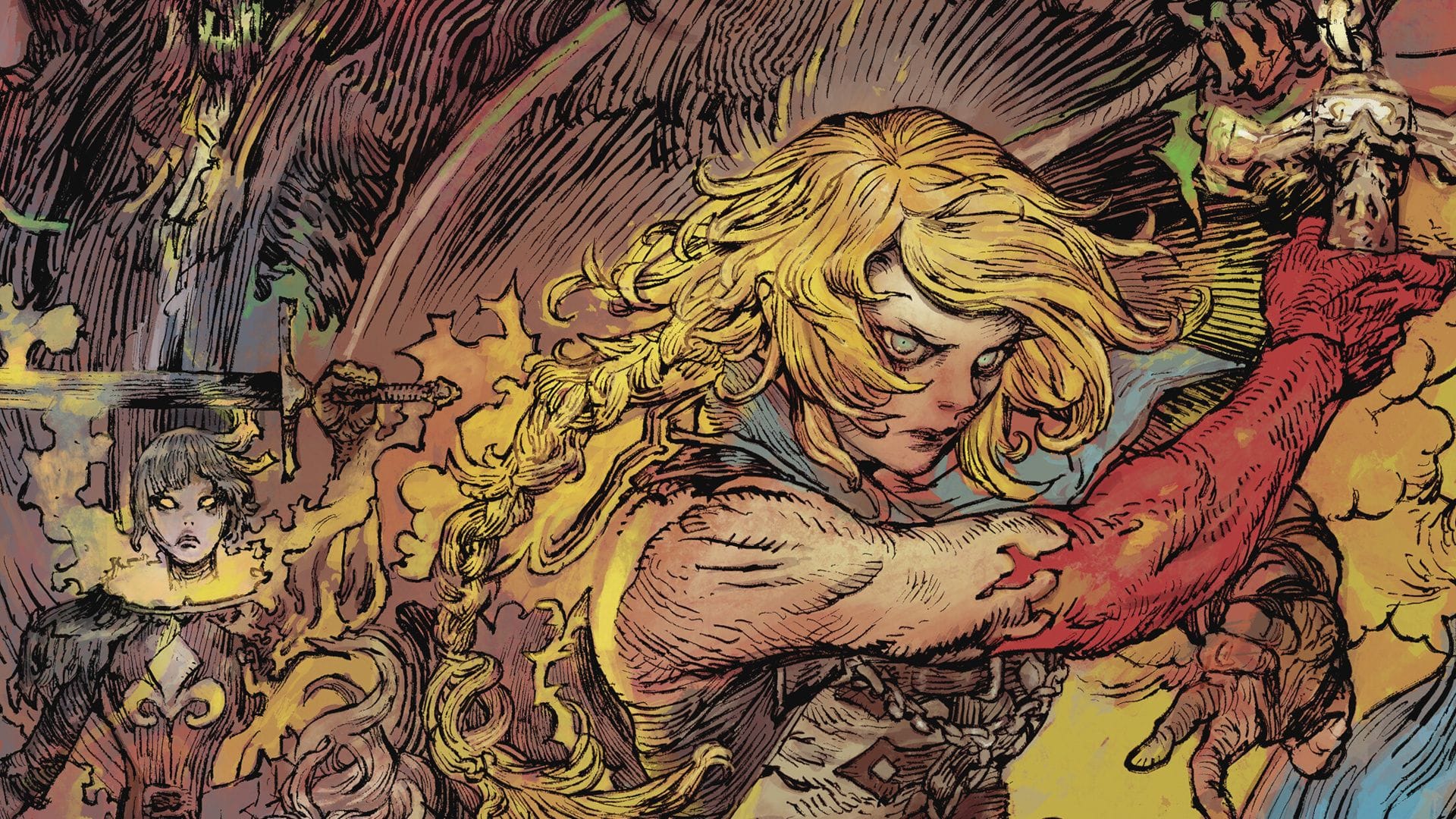
The return of a classic franchise is always a monumental event, but when that return lands on a new console, sometimes the choices made by the developers raise more questions than they answer. The release of Castlevania: Belmont’s Curse has sparked a curious debate among fans and industry veterans, particularly concerning its placement on the newer Nintendo Switch 2 platform.
For many, the game itself is a triumphant echo of the iconic side-scrolling action-adventure, feeling immediately familiar to those who remember the charm of games like Symphony of the Night. Yet, the way the title was introduced feels less like a seamless evolution and more like a deliberate, albeit puzzling, artistic choice regarding console exclusivity.
This situation brought the attention of industry insiders. Kit Ellis, a former senior PR manager for Nintendo of America, expressed genuine bewilderment over Konami’s strategy in releasing the title. He noted the complexity of making a decision that seemed to overlook the logical progression of the hardware landscape.
Ellis pointed out the core oddity: while the Nintendo Switch 2 has been available for over a year, the game was released exclusively on the original Switch, with no dedicated version for the newer system. This created a sense of disconnect for those who follow the console evolution.
The decision to release a title developed for the older hardware on the new platform, without a proper port, led to some confusion. It was a choice that made some observers wonder if the developers had fully accounted for the potential of the Switch 2.
Despite the structural oddities, the technical performance itself is noteworthy. When tested on the Switch 2, the game successfully runs at 60 frames-per-second. While this performance is commendable, Ellis noted that the visuals, while functional, aren’t entirely polished. He described the gameplay as looking blocky and chunky on the newer hardware, suggesting that the graphical fidelity leaves some room for improvement.
It’s a classic example of a decision where the feeling and legacy of a game clash with the reality of the technological platform. Whether this was a calculated risk or a missed opportunity remains open to interpretation, but it certainly highlights the ongoing, sometimes bewildering, relationship between beloved franchises and rapidly evolving gaming technology.
Credit
