Celeste dev delists Celeste from Xbox to support BDS boycott
In a move that blurs the line between gaming and activism, developers have taken a definitive stance against corporate entities, choosing to delist popular titles from major platforms to support global political movements. This action, recently confirmed by developer Maddy Thorson, highlights how gamers are leveraging their platforms to advocate for causes they believe in.
Specifically, the games Celeste and TowerFall have been removed from the Xbox ecosystem. This decision was not taken lightly, but rather as a direct response to the Boycott, Divestment and Sanctions (BDS) movement, which calls for boycotts of companies deemed complicit in certain political actions.
Thorson confirmed that the removal of these titles was done in solidarity with the BDS movement. This initiative reflects a growing trend where creative works are increasingly viewed as tools for political expression, prompting a re-examination of the relationship between game publishers, platforms, and social responsibility.
The BDS movement targets several large corporations, including Microsoft, HP, Disney, Intel, Dell, and Reebok, citing their perceived complicity in the occupation and policies against Palestinians. This movement urges supporters to engage in consumer boycotts, extending beyond mere purchasing to include canceling subscriptions and boycotting specific platforms.
The focus of the protest has notably targeted the gaming sector, specifically calling for a boycott of Xbox games and broader titles under the Microsoft umbrella, as well as the cancellation of Xbox Game Pass subscriptions and the boycott of the Xbox platform itself.
This strategy targets the infrastructure of digital entertainment, emphasizing that platform access and revenue streams are central to corporate power. The decision by developers to delist their work serves as a powerful, tangible protest against these corporate structures.
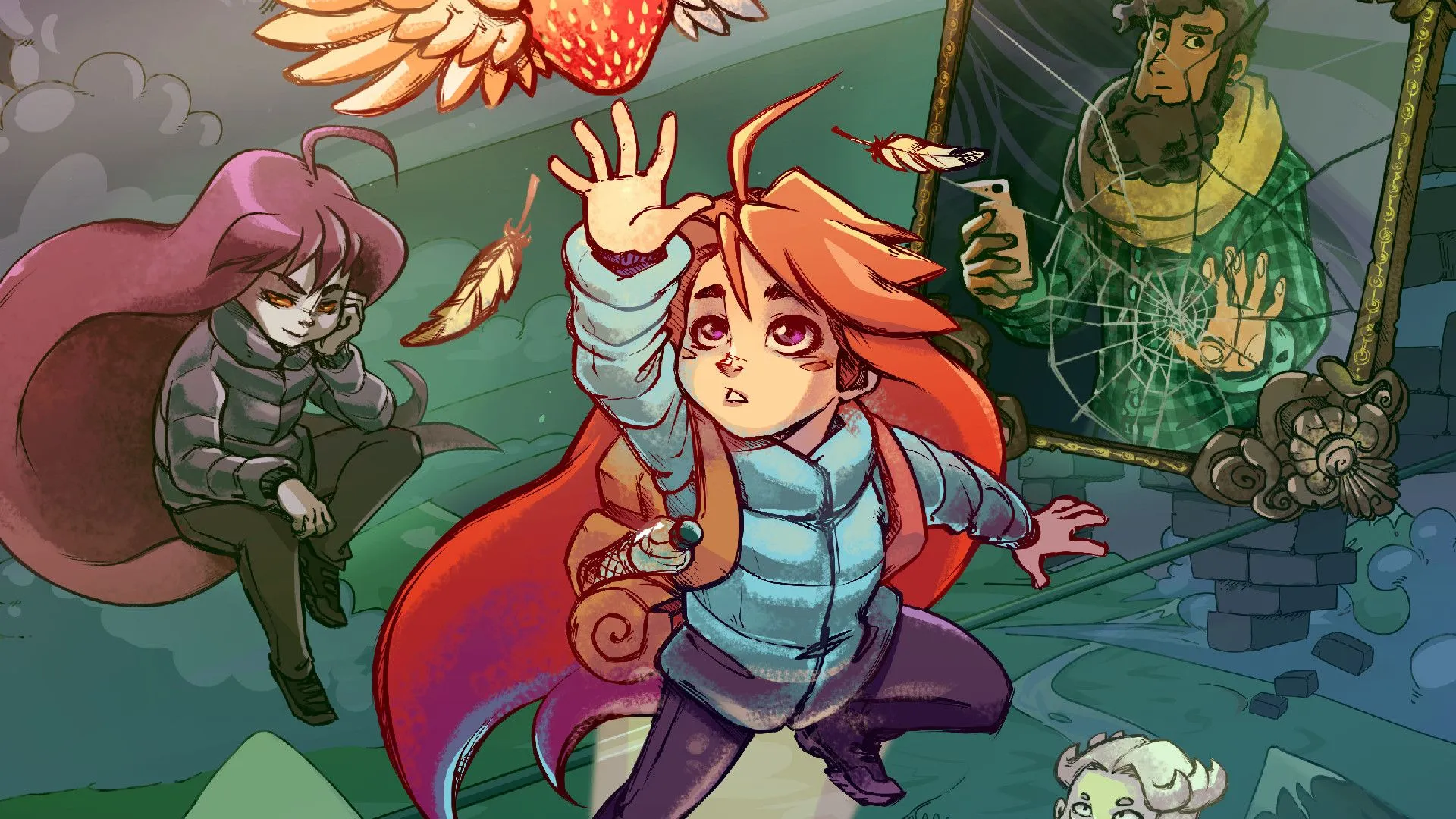
While other developers have also joined this effort, including those who have removed titles like Big Walk from the Xbox platform, Celeste stands out. The platformer, which launched to critical acclaim and was considered a dark horse game of the year contender in 2018, remains highly celebrated. It continues to thrive across multiple platforms, including PlayStation, Nintendo, and various PC services.
This situation underscores a complex dynamic where creative content is now inextricably linked to geopolitical conversations. As developers make these choices, they are forcing a conversation about the ethical responsibilities of the gaming industry and the power of consumer action in shaping corporate behavior.
Credit